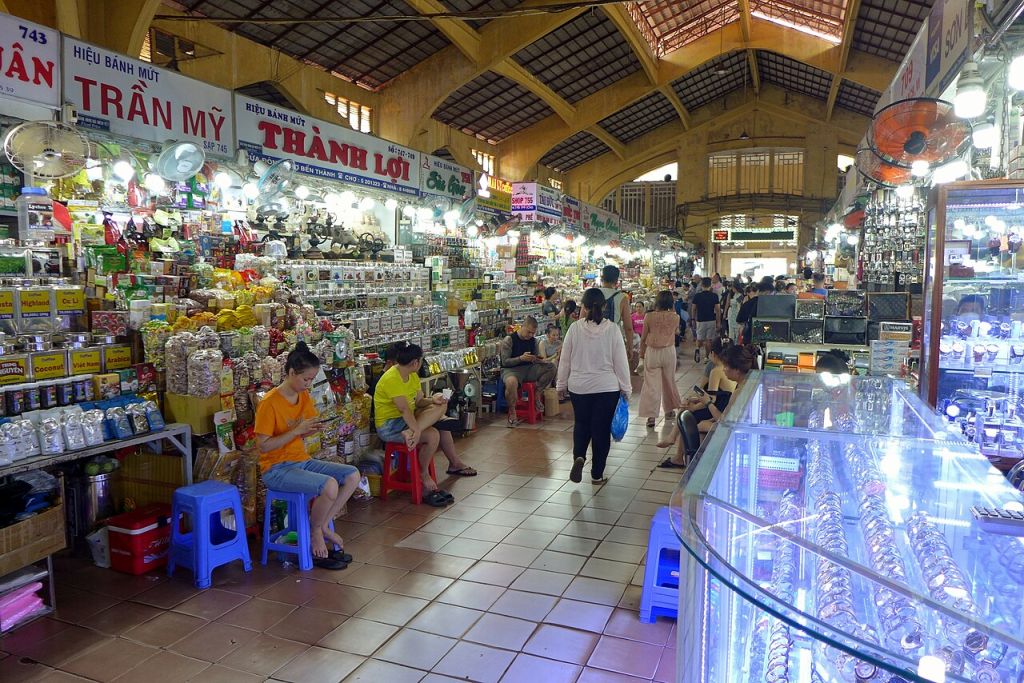
No. For most visitors the answer to is Vietnam expensive is that it is cheap by international standards: indicative 2026 figures put a backpacker at about US$33–49 a day and a mid-range traveler at US$53–91, with pho from 40,000 VND and decent hotel rooms from about 700,000 VND.
- The US dollar sold for 25,930 VND at Vietcombank in mid-November 2026 (VnExpress), so this article converts at roughly 26,000 VND per US$1.
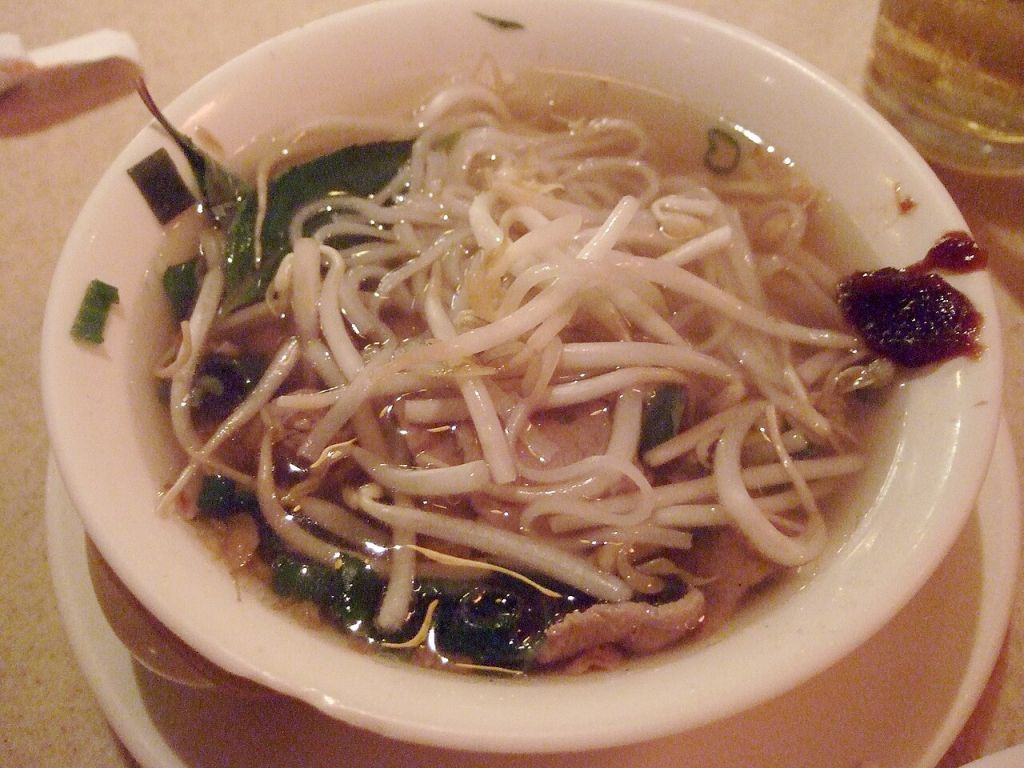
- A bowl of pho costs an indicative 40,000–80,000 VND (about $1.55–3.10) and a banh mi 15,000–45,000 VND (about $0.60–1.75), according to a travel-site survey dated October 3, 2026.
- A mid-range hotel room in Ho Chi Minh City runs an indicative 700,000–1,500,000 VND a night (about $27–58); hostel dorm beds in the big cities are 150,000–250,000 VND (about $6–10).
- Vietnam’s e-visa costs US$25 for single entry and US$50 for multiple entry, is valid for up to 90 days and takes 3–5 working days, according to vietnam.travel (read November 18, 2026).
- The most expensive single attraction ticket on our list is Ba Na Hills near Da Nang at 1,000,000 VND (about $38.50) per adult; most city museums cost 40,000 VND (about $1.55).
- A sample mid-range day in Ho Chi Minh City adds up to 1,420,000 VND (about $54.60) per person when two people share a room.
- Prices rise around Tet (Lunar New Year), in the December–March peak and on weekends in domestic holiday towns such as Da Lat.
This guide collects published prices for food, drinks, transport, hotels, attraction tickets and the small extras such as visas and SIM cards. Each figure carries its source and date. Where a number comes from a private travel site or a tour operator rather than an official tariff, we say so, and where we could not confirm that a price still applies in 2026, we mark it as uncertain. Treat every figure as a planning range, not a quote.
Is Vietnam expensive compared with Thailand and Indonesia?
The short answer is that Vietnam usually comes out a little cheaper than both, but the evidence for that is weaker than many blogs suggest. One comparison site, travelcostcalculator.org (January 22, 2026), puts a backpacker day at $22–35 in Vietnam, $30–45 in Thailand and $25–40 in Indonesia. For mid-range travel it gives $55–105 in Vietnam, $75–140 in Thailand and $65–130 in Indonesia. That site publishes no methodology, so these numbers are uncertain and should be read as a rough ordering, not as measured data.
Other sources point the same way for Vietnam itself. Lonely Planet’s average daily cost for Vietnam is US$40–70 (an undated figure, probably from 2024–25), with a dorm bed at $5–10, a basic double room at $10–20, a banh mi from $0.70, a glass of bia hoi from $0.30, dinner for two at about $15 and a beach resort from $80. A travel-site survey (vietnamtourism.com, a private site, not the government portal) gives 2026 ranges of $33–49 a day for backpackers, $53–91 for mid-range travelers and $89–154 for comfort travelers, per person.
So is Vietnam expensive? Not for daily living costs. What can make a trip feel costly is the long shape of the country: a route from Hanoi to Saigon needs several long transfers, and a few headline attractions charge prices that are high compared with a bowl of noodles.
What is the exchange rate, and how should you think in dong?
VnExpress reported Vietcombank selling the US dollar at 25,930 VND in mid-November 2026. For mental arithmetic, 26,000 VND to the dollar is close enough, and every conversion in this article uses that rate. Handy anchors: 10,000 VND is about $0.38, 50,000 VND about $1.92, 100,000 VND about $3.85, 500,000 VND about $19.23 and 1,000,000 VND about $38.46.
The many zeros cause real mistakes. Sort notes by value in your wallet and count the zeros before handing anything over. Because the rate moves, check it again close to your travel date.


Photos: 1) pelican from Tokyo, Japan, CC BY-SA 2.0; 2) HỒ TRỌNG BA, CC BY-SA 4.0; 3) Vinnie Cartabiano, CC BY 2.0; via Wikimedia Commons.
How much does food cost in Vietnam?
Food is where Vietnam is cheapest. The figures below come mostly from the travel-site survey mentioned above (dated October 3 and October 30, 2026) and are indicative. Numbeo’s crowd-sourced page for Ho Chi Minh City (November 17, 2026) gives a useful cross-check: an inexpensive restaurant meal at roughly 55,000 VND (about $2.15) and a three-course mid-range meal for two at roughly 610,000 VND (about $23). Both Numbeo figures are approximate conversions.
| Item | Price (VND) | Approx. US$ | Source and date |
|---|---|---|---|
| Pho (noodle soup) | 40,000–80,000 | $1.55–3.10 | Travel-site survey, Oct 3, 2026 |
| Banh mi (filled baguette) | 15,000–45,000 | $0.60–1.75 | Travel-site survey, Oct 3, 2026 |
| Bun cha (grilled pork with noodles) | 40,000–80,000 | $1.55–3.10 | Travel-site survey, Oct 3, 2026 |
| Com tam (broken rice plate) | 35,000–70,000 | $1.35–2.70 | Travel-site survey, Oct 3, 2026 |
| Inexpensive restaurant meal, HCMC | about 55,000 | about $2.15 | Numbeo, Nov 17, 2026 |
| Sit-down local restaurant, HCMC | 100,000–200,000 | $4–8 | Travel-site survey, Oct 30, 2026 |
| Mid-range restaurant, District 1, per person | 250,000–500,000 | $10–19 | Travel-site survey, Oct 30, 2026 |
| Three courses for two, mid-range, HCMC | about 610,000 | about $23 | Numbeo, Nov 17, 2026 |
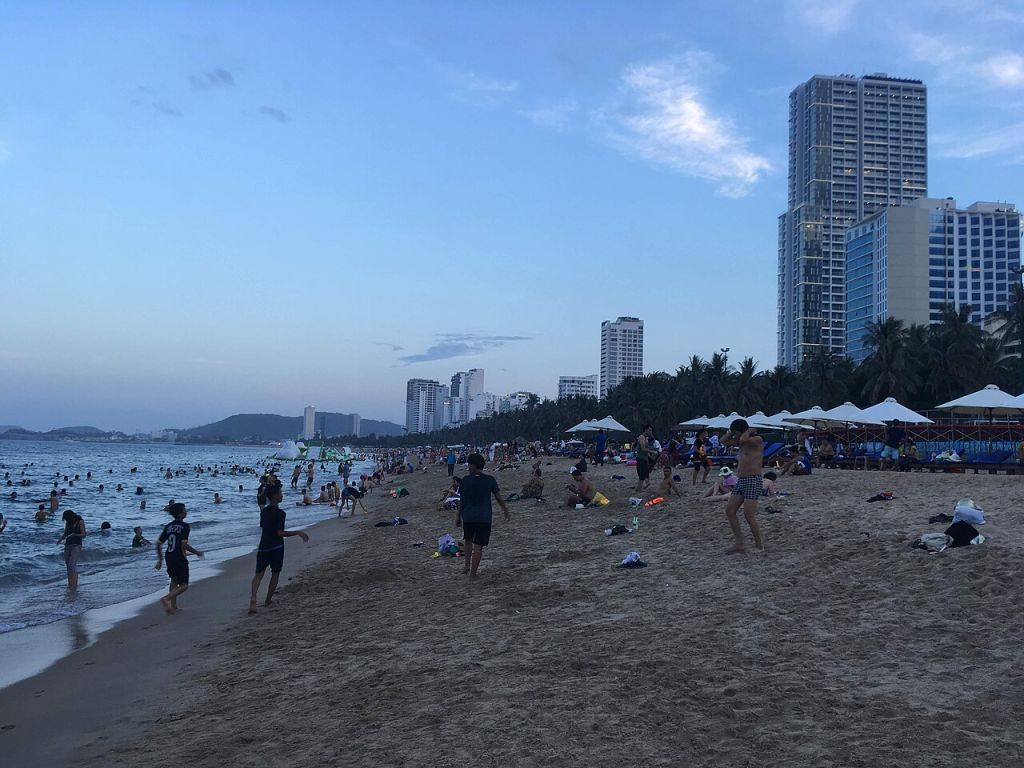
| Local seafood meal, Nha Trang, per person | 150,000–250,000 | $5.75–9.60 | Travel-site survey, 2026 |
| Beachfront seafood, Nha Trang, per person | from 400,000 | from $15.40 | Travel-site survey, 2026 |
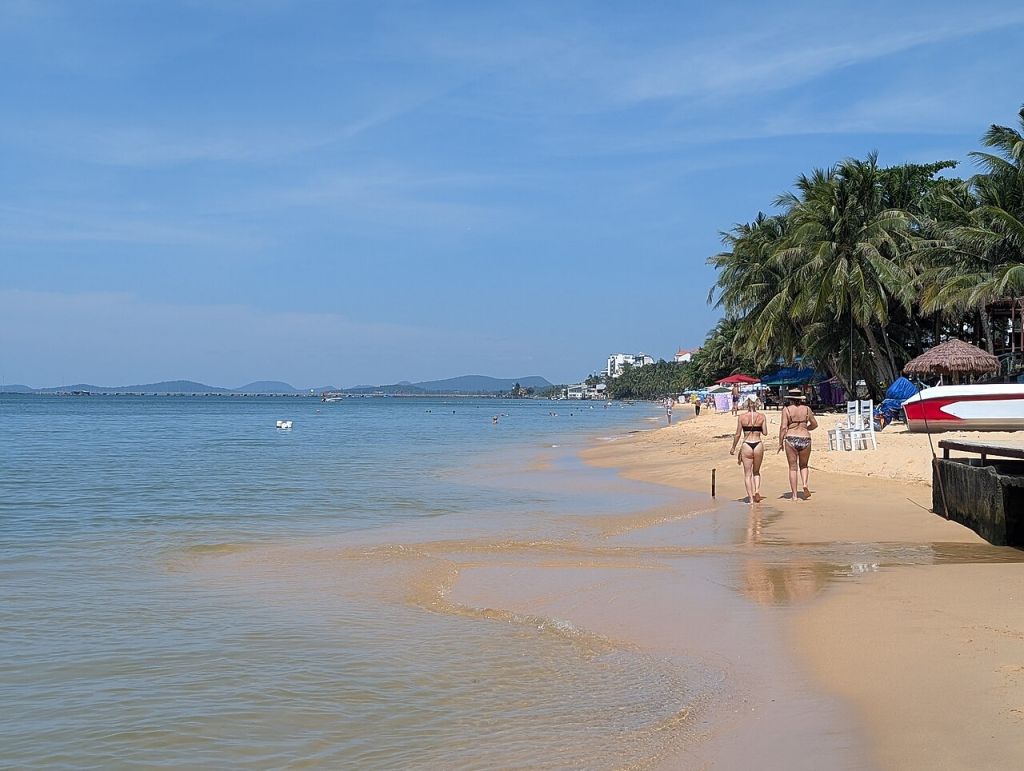
| Mid-range seafood, Phu Quoc, per person | 200,000–400,000 | $7.70–15.40 | Travel-site survey, 2026 |
The same survey estimates a full day of eating at 150,000–250,000 VND ($6–10) if you stick to street food, 350,000–600,000 VND (about $13.50–23) for a mix of street stalls and restaurants, and 900,000 VND or more (about $35 and up) for upscale dining.
Prices are creeping up. VietNamNet reported on March 12, 2026 that a neighborhood bowl of pho in Hanoi had risen from 35,000 to 40,000 VND. That is a 5,000 VND change, around $0.19, which shows both the direction of travel and how small the sums still are. The wide ranges in the table mostly reflect location: the same dish costs more on a tourist street in District 1 or the Hanoi Old Quarter than a few blocks away.
How much do coffee, beer and water cost?
Drinks follow the same pattern as food: very cheap at local places, noticeably higher where visitors gather. A ca phe sua da (iced coffee with condensed milk) costs an indicative 15,000 VND at a local cafe and up to 45,000 VND in a tourist area, roughly $0.60–1.75. Specialty coffee shops in Ho Chi Minh City charge about 60,000–90,000 VND ($2.30–3.45) a cup.
A bottled beer is an indicative 15,000–35,000 VND ($0.60–1.35). Bia hoi, the fresh draft beer poured at simple street-corner places, runs 10,000–25,000 VND a glass (about $0.40–0.95) and is the cheapest way to have a drink. A small bottle of water costs 5,000–20,000 VND ($0.20–0.75), and Numbeo lists a 1.5-liter bottle in Ho Chi Minh City at roughly 14,000 VND (about $0.55). All of these except the Numbeo figure come from the travel-site survey of October 2026.
How much is local transport, and which apps should you use?
City transport is cheap if you book through an app and can be expensive if you flag down an unknown car. Ride-hailing apps such as Grab and Xanh SM show the fare before you confirm, which removes most arguments. The travel-site survey puts taxis and app cars at roughly 12,000–16,000 VND per kilometer ($0.46–0.62), with short city hops at 40,000–80,000 VND.
| Trip or ticket | Price (VND) | Approx. US$ | Note |
|---|---|---|---|
| Grab bike, central HCMC | 15,000–40,000 | $0.60–1.55 | Indicative, travel-site survey 2026 |
| Grab car, central HCMC | 60,000–120,000 | $2.30–4.60 | Indicative, travel-site survey 2026 |
| Airport to District 1, HCMC, taxi | 150,000–250,000 | $6–10 | Indicative |
| Noi Bai Airport to Hanoi Old Quarter | 350,000–450,000 | $13–17 | Indicative; over 600,000 is a rip-off |
| Da Nang Airport to Hoi An, Grab | 250,000–350,000 | $9.60–13.45 | Indicative |
| Da Nang to Hoi An, bus | 20,000 | $0.77 | Indicative |
| HCMC Metro Line 1, single ride (cash) | 7,000–20,000 | $0.27–0.77 | VietNamNet, Nov 22, 2024; uncertain for 2026 |
| HCMC Metro Line 1, day pass | 40,000 | $1.55 | Same source; 3-day pass 90,000 (about $3.45) |
| Hanoi city bus | 8,000–20,000 | $0.31–0.77 | Hanoi portal, Nov 2024; uncertain for 2026 |
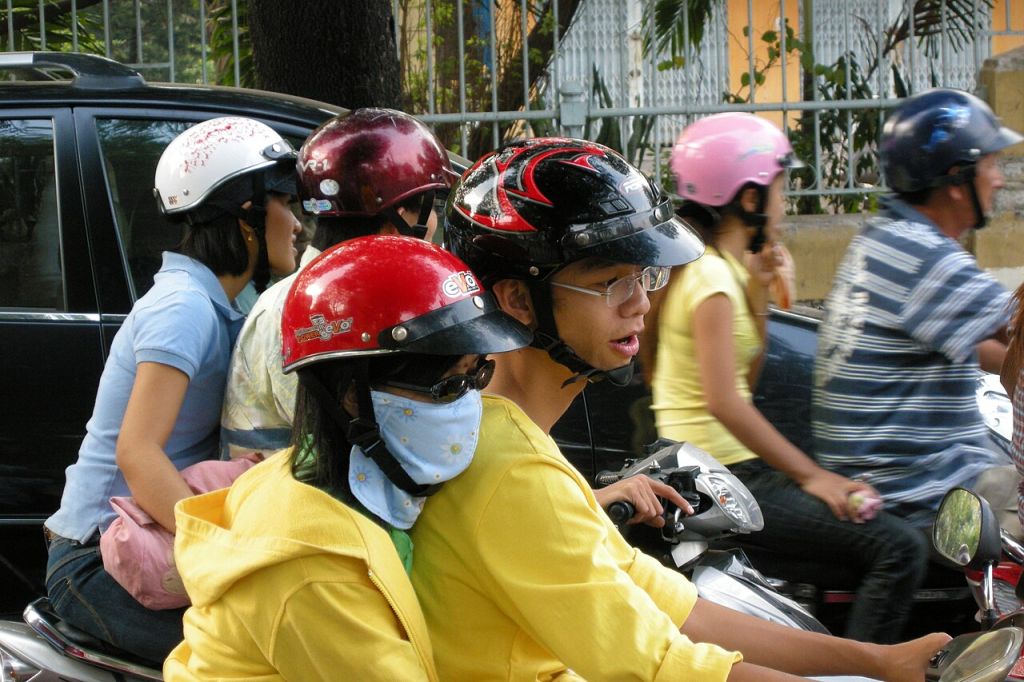
| Motorbike rental, semi-automatic, Hoi An, per day | 120,000–150,000 | $4.60–5.75 | Indicative |


Photos: 1) Vyacheslav Argenberg, CC BY 4.0; 2) calflier001, CC BY-SA 2.0; 3) Richard Mortel from Riyadh, Saudi Arabia, CC BY 2.0; 4) Christophe95, CC BY-SA 4.0; via Wikimedia Commons.
Two entries need a caution. The Ho Chi Minh City metro fares were announced in November 2024 and we found no report of a change in 2026, but we could not confirm them against a current official tariff. The Hanoi bus fares (8,000 VND for routes under 15 km, rising to 20,000 VND for routes over 40 km) also date from November 2024. Both are uncertain for 2026, though the amounts involved are small either way.
Nationally, the survey puts motorbike rental at about $5–10 a day for a semi-automatic and $10–15 for an automatic scooter. Check what your travel insurance and license cover before renting; the rental fee is the smallest part of the risk.
What do trains, buses and domestic flights cost?
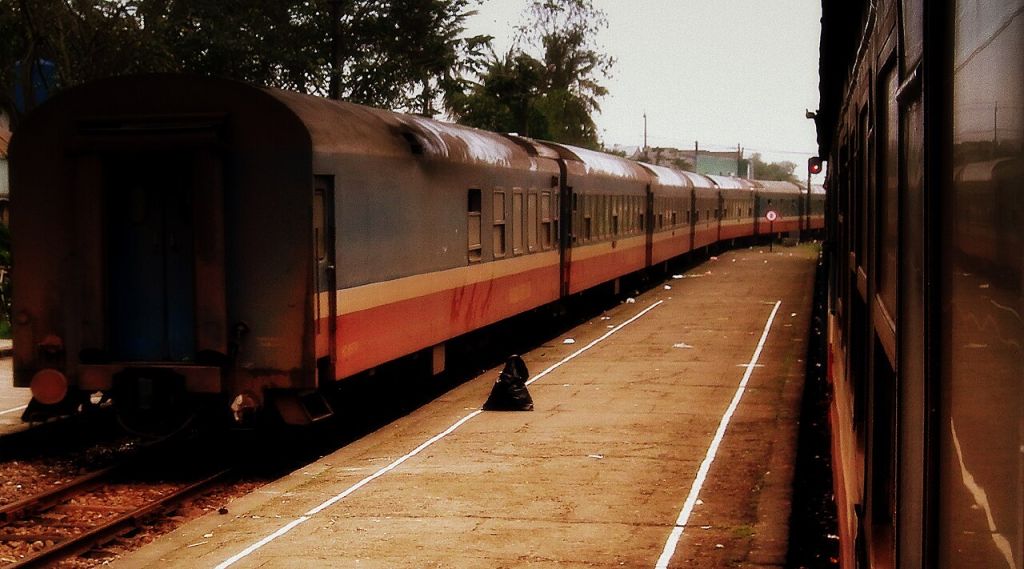
Long-distance travel is the part of a Vietnam budget that grows with ambition. The country stretches a long way from north to south, and most first-time routes include at least two long legs. The fares below are indicative and come from the travel-site survey and from a tour operator (Jungle Boss Tours, 2026), not from the railway’s own tariff.
| Route and class | Price (VND) | Approx. US$ |
|---|---|---|
| Train, Saigon to Nha Trang (about 7 hours) | 350,000–700,000 | $13.45–26.90 |
| Train, Hanoi to Lao Cai, soft sleeper | 400,000–700,000 | $15.40–26.90 |
| Sleeper bus, Hanoi to Lao Cai | 250,000–350,000 | $9.60–13.45 |
| Train, Hanoi to Da Nang, soft seat | about 651,000 | about $25 |
| Train, Hanoi to Da Nang, lower soft sleeper | about 1,294,000 | about $49.75 |
| Train, Hanoi to Saigon, soft seat | about 1,026,000 | about $39.45 |
| Train, Hanoi to Saigon, lower soft sleeper | about 1,758,000 | about $67.60 |
| Sleeper or open-tour bus, per leg | 250,000–400,000 | $9.60–15.40 |
| Domestic flight, one way, booked ahead | 400,000–800,000 | $15.40–30.75 |
| Domestic flight, one way, booked late | 900,000–1,500,000 | $34.60–57.70 |
Three things stand out. First, a flight booked two to three weeks ahead can cost less than a sleeper berth on the same route, so the train is a choice for the experience, not always for the saving. Second, an overnight bus or train replaces a hotel night, which is worth 150,000–250,000 VND to a dorm traveler and far more to anyone in a private room. Third, the operator source reports a Tet surcharge of 50–100% on train tickets, so a Hanoi to Saigon sleeper could cost up to double around Lunar New Year.
How much are hotels in Vietnam by city?
Accommodation has the widest spread of any budget line. The nightly rates below come from the travel-site survey (October 30 to November 5, 2026) and are indicative. For a second opinion, Rough Guides (June 13, 2025) gives national bands of $5–8 for a dorm bed, $10–20 for a basic private room, $25–60 for mid-range and $80 and up for luxury.
| City | Dorm bed | Budget room | Mid-range room | Upper end |
|---|---|---|---|---|
| Ho Chi Minh City | 150,000–250,000 ($6–10) | 350,000–600,000 ($13.45–23) | 700,000–1,500,000 ($27–58) | Boutique 2–4 million ($77–154) |
| Hanoi | 150,000–250,000 ($6–10) | Not listed | 3-star $35–70 | Not listed |
| Da Nang | Not listed | Not listed | 3-star $35–70 | Luxury resorts $150–400 |
| Hoi An | 150,000–250,000 ($6–10) | 250,000–500,000 ($9.60–19.25) | 700,000–1,500,000 ($27–58) | Luxury from 2.5 million (about $96) |
| Da Lat | 120,000–200,000 ($4.60–7.70) | 200,000–550,000 ($7.70–21.15) | 500,000–1,800,000 ($19.25–69.25) | Not listed |
| Nha Trang | 100,000–180,000 ($3.85–6.90) | 250,000–450,000 ($9.60–17.30) | Sea view 800,000–1,500,000 ($30.75–57.70) | Not listed |
| Phu Quoc | Not listed | From 300,000–350,000 ($11.55–13.45) | Typical 400,000–1,200,000 ($15.40–46.15) | Not listed |
“Not listed” means our sources gave no figure, not that the category does not exist. Ho Chi Minh City also has 3-star hotels in the same $35–70 band quoted for Hanoi and Da Nang. Da Lat needs a special note: the survey reports rates 30–50% higher on weekends and from December to February, when domestic visitors fill the town. We have no verified nightly rates for Vung Tau, so none are quoted here.
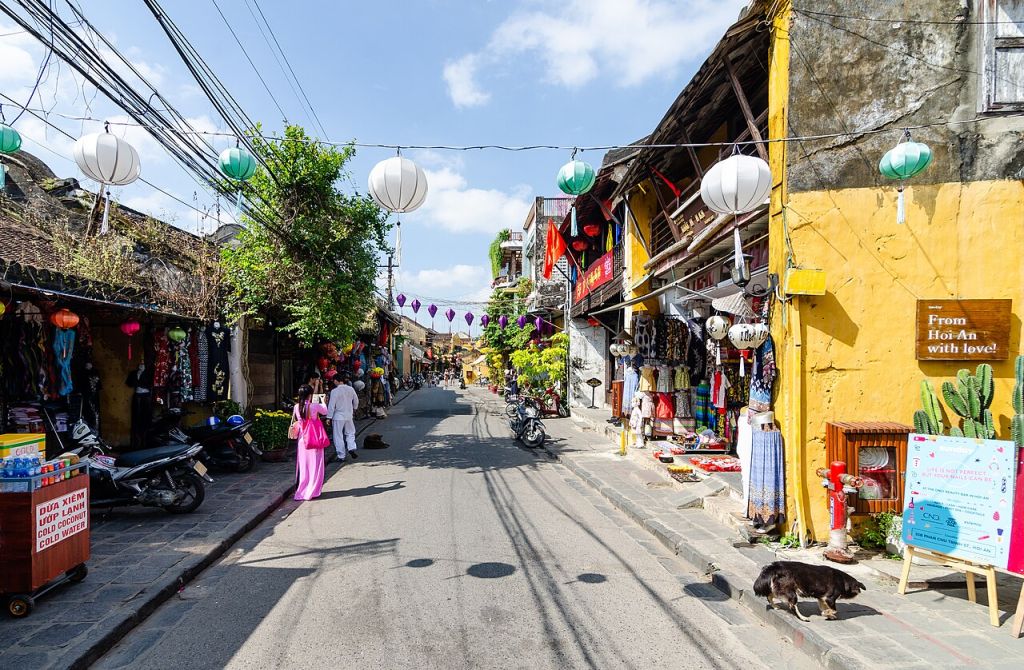
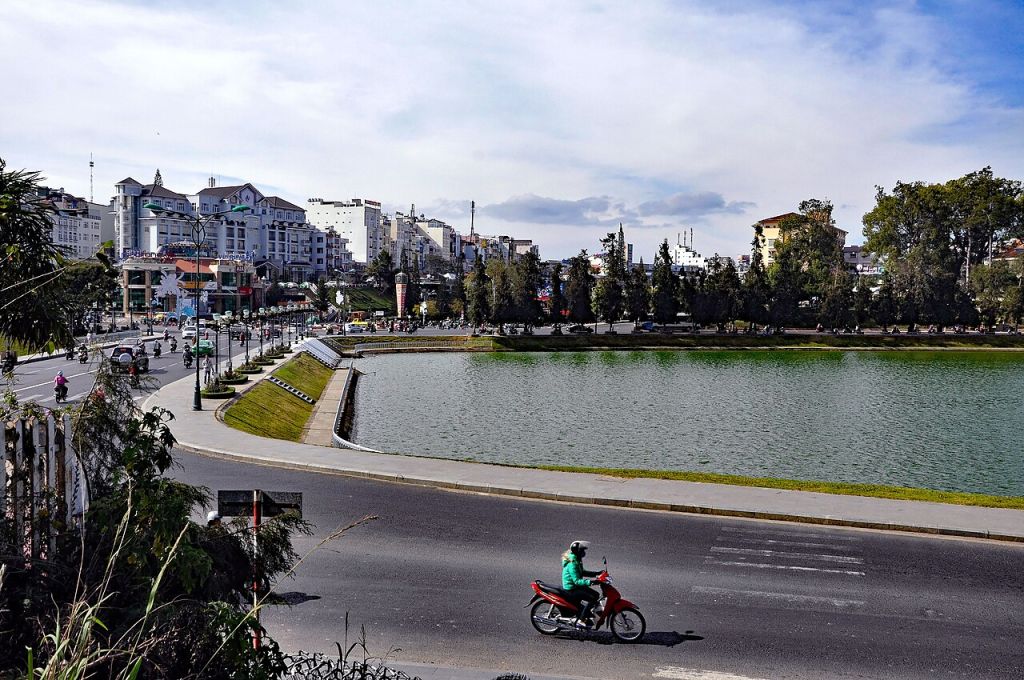
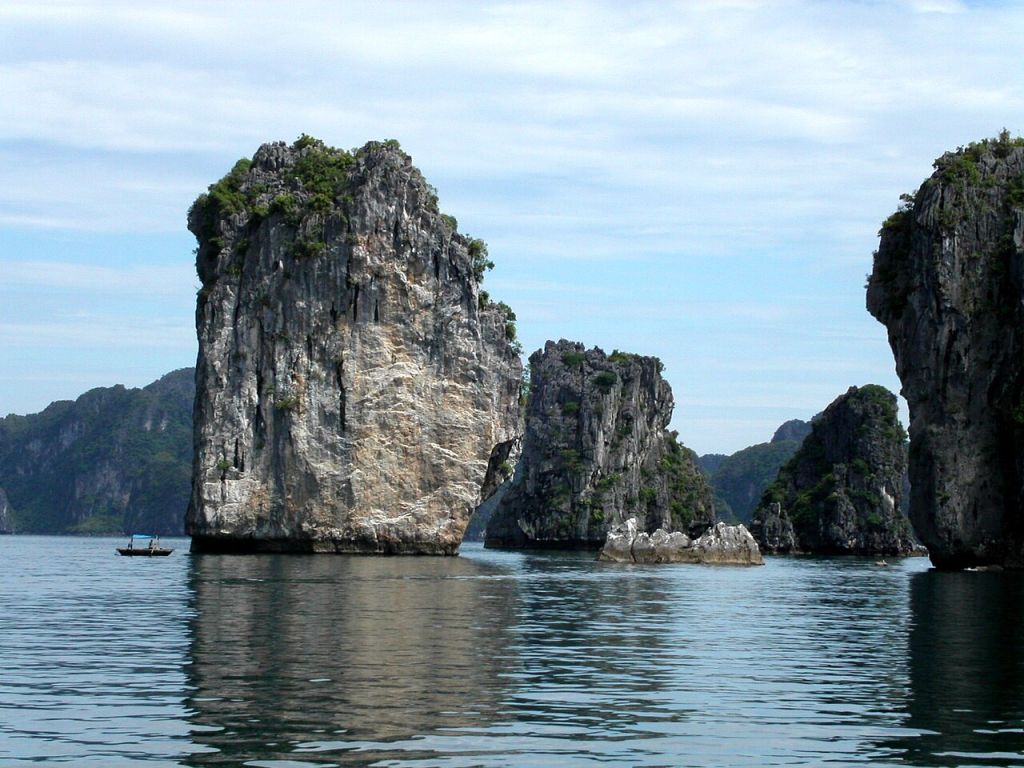
Photos: 1) Steffen Schmitz (more photos), CC BY-SA 4.0; 2) P. Hughes, CC BY 4.0; 3) Thomas Hirsch / User:Ravn, CC BY-SA 3.0; via Wikimedia Commons.
Plan a few easy days by the sea. A Vung Tau Pearl apartment near Back Beach (Bãi Sau) works as a calm beach base about two hours from Saigon, at the start or end of a longer Vietnam trip. Email our team for availability.
What do attractions cost in 2026, and what is two-tier pricing?
Most museums and historic sites in Vietnam cost only a few dollars. A small number of large sites, above all Ba Na Hills, cost as much as a full day of food and lodging for a budget traveler. Ticket prices change at short notice, so for Ho Chi Minh City sights it is worth checking this list of current attraction ticket prices shortly before you go.
| Attraction | Adult ticket (VND) | Approx. US$ | Source and status |
|---|---|---|---|
| War Remnants Museum, HCMC | 40,000 | $1.55 | Travel-site survey, 2026; indicative |
| Independence Palace (Reunification Palace), HCMC | 40,000 | $1.55 | Travel-site survey, 2026; indicative |
| Cu Chi Tunnels | 35,000 + 100,000 = 135,000 | $5.20 | Tour operator, Aug 6, 2026; uncertain, confirm |
| Hoi An Old Town | 120,000 (foreign visitors) | $4.60 | Vietnamese visitors pay 80,000 |
| My Son Sanctuary | 150,000 | $5.75 | Indicative |
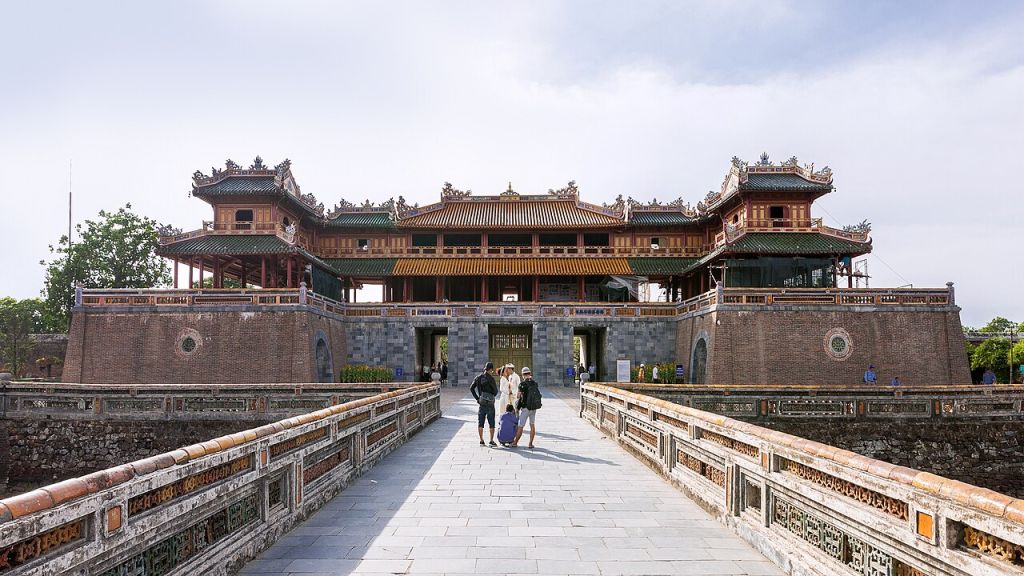
| Hue Imperial City | 200,000 | $7.70 | Operator, Jan 2026 |
| Main royal tombs, Hue | 150,000 each | $5.75 | Operator, Jan 2026 |
| Ha Long Bay, day route | 260,000–310,000 | $10–11.90 | Undated operator; uncertain |
| Ha Long Bay, combined route | 600,000 | $23.10 | Management board, from May 1, 2025 |
| Ba Na Hills, Da Nang | 1,000,000 | $38.50 | Da Nang portal, Jan 22, 2026; non-residents |
The Cu Chi Tunnels line deserves an explanation. A tour operator (mekongsmile.com, August 6, 2026) reports that a 100,000 VND service ticket has been charged on top of the 35,000 VND admission since February 1, 2026, making 135,000 VND in total. We could not confirm this against an official notice, so treat it as uncertain and ask when you book. Group tours from Ho Chi Minh City are quoted at 350,000–500,000 VND ($13.45–19.25); check whether the entrance ticket is included.
At Ba Na Hills, the Da Nang tourism portal lists 1,000,000 VND per adult and 800,000 VND (about $30.75) for children and seniors, for visitors who are not local residents. In Ha Long Bay the two figures in the table come from different sources and different route types, so confirm the fee for your specific cruise.
Two-tier pricing, where foreign visitors pay more than Vietnamese visitors or residents, is official policy at some sites and not a scam. Hoi An Old Town is the clearest case, at 120,000 VND against 80,000 VND. The difference is 40,000 VND, about $1.55. The posted price at the ticket window is the price; it is not open to bargaining.
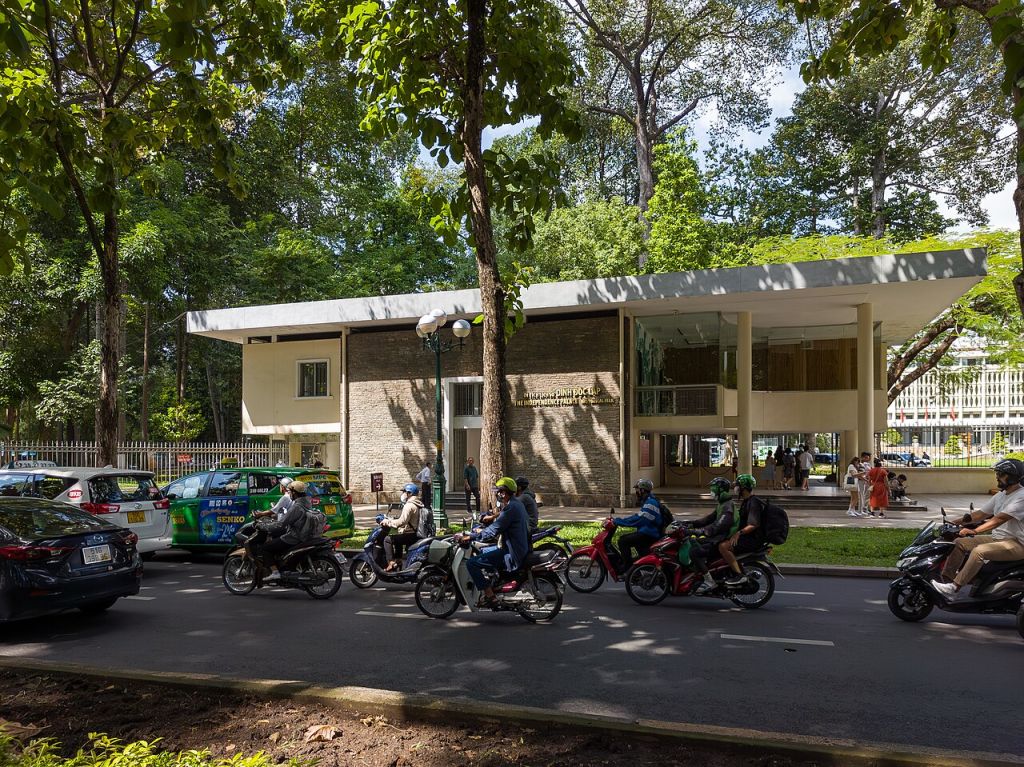


Photos: 1) Matti Blume, CC BY-SA 4.0; 2) Christophe95, CC BY-SA 4.0; 3) Andre Hospers, CC BY-SA 4.0; 4) This Photo was taken by Supanut Arunoprayote.
Fee, CC BY 4.0; via Wikimedia Commons.
What do visas, SIM cards, tips and VAT refunds add?
Visa. According to vietnam.travel (read November 18, 2026), the e-visa costs US$25 for single entry and US$50 for multiple entry, allows a stay of up to 90 days and takes 3–5 working days to process. The same page lists 36 countries whose citizens can enter without a visa, 25 of which receive 45 days. Phu Quoc has its own 30-day exemption for travelers who arrive on the island directly. Rules differ by passport, so read the page for your nationality.
SIM card. A 30-day tourist SIM with 40–60 GB of data costs an indicative 150,000–200,000 VND ($6–8) at a city store, against 250,000–300,000 VND ($9.60–11.55) at airport counters. An eSIM costs about $6–20 depending on the plan (travel-site survey, August 21, 2026).
Tipping. Tips are not expected at street stalls. In tourist-oriented restaurants and for guides, 10–15% is a common guideline, and rounding up a taxi fare is enough. This is custom, not obligation.
VAT refund. Vietnam has a VAT refund scheme for foreign visitors, and its rules changed under Decree 181/2025, with details set out in Circular 84/2026. Vietnam News reported in 2026 that claims must be made at least 30 minutes before departure at international airports. We have not verified the current minimum purchase or the service fee, so ask at the airport refund counter or read the circular before you count on a refund.
- Bao nhiêu tiền? – How much is it?
- Đắt quá! – Too expensive! (said with a smile, it opens a negotiation at markets)
- Cho tôi hóa đơn. – Please give me the bill / a receipt.
- Có dùng đồng hồ không? – Do you use the meter? (ask before getting into a taxi)
What does a day in Vietnam cost for each travel style?
The travel-site survey’s 2026 ranges are the most recent we found. Converted at 26,000 VND per dollar, they look like this.
| Style | US$ per person per day | VND per person per day | What it typically means |
|---|---|---|---|
| Backpacker | $33–49 | 858,000–1,274,000 | Dorm bed, street food, buses, a few paid sights |
| Mid-range | $53–91 | 1,378,000–2,366,000 | Private 3-star room, mixed dining, app cars, some tours |
| Comfort | $89–154 | 2,314,000–4,004,000 | Boutique hotel, restaurants, private transfers, flights |
To show how such a day is built, here is a sample mid-range day in Ho Chi Minh City for one person sharing a 1,000,000 VND double room with a travel partner. Every price sits inside the ranges quoted earlier.
| Item | VND | US$ |
|---|---|---|
| Half of a mid-range double room | 500,000 | 19.23 |
| Pho for breakfast | 60,000 | 2.31 |
| Ca phe sua da | 30,000 | 1.15 |
| Lunch at a sit-down local restaurant | 150,000 | 5.77 |
| Dinner at a mid-range District 1 restaurant | 350,000 | 13.46 |
| Two bottled beers | 50,000 | 1.92 |
| Two small bottles of water | 20,000 | 0.77 |
| Two Grab car rides at 90,000 each | 180,000 | 6.92 |
| War Remnants Museum and Independence Palace | 80,000 | 3.08 |
| Total | 1,420,000 | about 54.60 |
A backpacker version of the same day: dorm bed 200,000, banh mi 25,000, coffee 20,000, com tam lunch 50,000, bun cha dinner 60,000, two glasses of bia hoi 30,000, water 20,000, two Grab bike rides 50,000 and one museum 40,000. That totals 495,000 VND, about $19. It is lower than the survey’s $33–49 because a day spent in one city includes no long-distance travel, tours, SIM card or visa cost; spread those across a trip and the daily average climbs toward the published range.
A comfort version: half of a 3,000,000 VND boutique room 1,500,000, specialty coffee 75,000, lunch 200,000, dinner 500,000, three bottled beers 105,000, four Grab car rides 400,000 and a Cu Chi group tour 450,000. That totals 3,230,000 VND, about $124, inside the $89–154 band.


Photos: 1) DvTor8303, CC0; 2) Willyvu, CC BY-SA 4.0; 3) Hoangvantoanajc, CC BY-SA 3.0; 4) Christophe95, CC BY-SA 4.0; 5) Elmschrat, CC BY-SA 4.0; via Wikimedia Commons.
What does a 7-day trip cost in total?
Here is a sample one-week mid-range sum for one person sharing rooms, covering Ho Chi Minh City and then Da Nang and Hoi An. It uses mid-points of the indicative ranges above and leaves out international flights, insurance and shopping.
| Cost line | Calculation | VND | US$ |
|---|---|---|---|
| Accommodation | 7 nights × 500,000 (half a double) | 3,500,000 | 134.62 |
| Food and drink | 7 days × 475,000 (mixed dining) | 3,325,000 | 127.88 |
| Local transport | 7 days × 150,000 | 1,050,000 | 40.38 |
| Domestic flight | One way, booked ahead | 600,000 | 23.08 |
| Airport transfers | 200,000 in HCMC + 300,000 to Hoi An | 500,000 | 19.23 |
| Attraction tickets | 40,000 + 40,000 + 135,000 + 120,000 + 150,000 + 1,000,000 | 1,485,000 | 57.12 |
| SIM card | 30-day city-store SIM | 200,000 | 7.69 |
| E-visa | Single entry, US$25 | 650,000 | 25.00 |
| Total | 11,310,000 | 435.00 |
The attraction line covers the War Remnants Museum, Independence Palace, Cu Chi Tunnels, Hoi An Old Town, My Son and Ba Na Hills. The total works out to about 1,616,000 VND, or roughly $62, per day. Ba Na Hills alone is two-thirds of the ticket spend; skip it and the week drops to 10,310,000 VND, about $397. The airport transfers are counted as full car fares, so two people sharing would each pay less.
When is Vietnam more expensive?
Three periods push prices up. The first is Tet, the Lunar New Year, when much of the country travels home. Transport sells out, the reported train surcharge is 50–100%, and many small restaurants close for several days, which narrows the cheap options. The second is the December to March peak, when international arrivals are highest and hotel rates in the main destinations rise. The third is the ordinary weekend in towns that depend on domestic visitors: Da Lat is reported at 30–50% above weekday rates, and beach towns within driving distance of the big cities see similar weekend pressure.
If your dates are flexible, arriving midweek and avoiding the weeks around Tet is the simplest saving available. The Tet date moves each year with the lunar calendar, so check it before booking flights.
Which scams and fake taxis push costs up?
Most overcharging in Vietnam involves small sums, and most of it happens in the first hour after landing. Airports are the main place for fake taxis and rigged meters. Cars painted to resemble the well-known companies wait near the exits, and a tired traveler with luggage is an easy target.
- Use known operators. Mai Linh and Vinasun are the established taxi brands, and Grab and Xanh SM show a fixed fare in the app.
- “The meter is broken.” Decline and take another car, or agree a price inside the indicative ranges above before you get in.
- Invented surcharges. Extra fees for luggage, night driving or a “tourist rate” announced at the end of the ride are not standard. Legitimate airport or toll fees are small and usually posted.
- “No change.” Carry small notes so you can pay close to the exact fare.
- Know the ceiling. From Noi Bai to the Hanoi Old Quarter, an indicative fare is 350,000–450,000 VND; anything over 600,000 VND is a rip-off.
Practical ways to spend less
- Travel outside the peaks. Avoid Tet and, where you can, the December to March high season.
- Sleep on the move. A sleeper bus or night train on one long leg saves a hotel night.
- Book flights early. Two to three weeks ahead, one-way domestic fares are an indicative 400,000–800,000 VND; late bookings run 900,000–1,500,000 VND.
- Eat where the menu is short. Stalls that sell one or two dishes sit at the low end of every range in the food table.
- Drink bia hoi. At 10,000–25,000 VND a glass, it costs less than most bottled water in a tourist cafe.
- Use apps over street taxis. A fixed fare shown in advance removes meter problems.
- Buy the SIM in town. The indicative saving over the airport is about 100,000 VND.
- Ask about table extras. Snacks and wet tissues may be charged.
- Use public transport where it exists. A 20,000 VND bus from Da Nang to Hoi An replaces a 250,000–350,000 VND car.
Vung Tau after the big cities
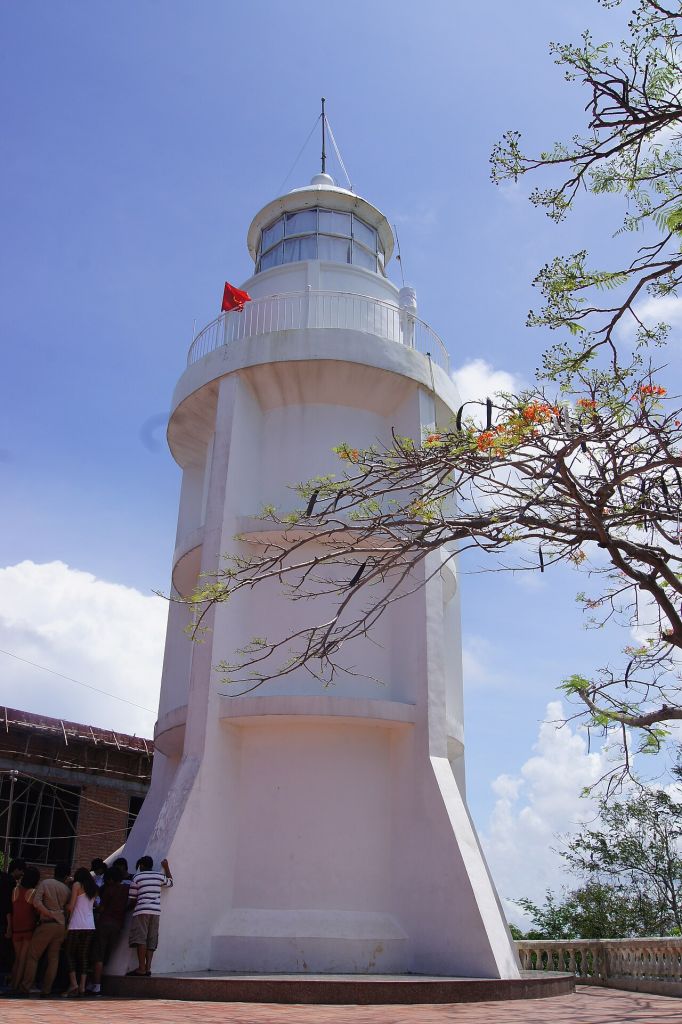
After a week of museums, traffic and long transfers, many travelers want a few slow days before flying home. Vung Tau is the nearest seaside city to Ho Chi Minh City, about two hours away by road, which makes it practical at the start or end of a trip without adding a flight. The town sits on a peninsula with a long sandy shore at Back Beach (Bãi Sau), a hilltop lighthouse and plenty of seafood restaurants.
We have not verified current hotel, food or transport prices for Vung Tau against a dated source, so this article quotes none. Like other beach towns close to a big city, it is busier on weekends and public holidays, so a midweek stay is the calmer choice. Ask for current rates directly when you inquire.
Frequently Asked Questions
Is Vietnam expensive for tourists in 2026?
No. Indicative 2026 ranges from a travel-site survey put daily costs at $33–49 for backpackers, $53–91 for mid-range travelers and $89–154 for comfort travelers, per person. Street meals cost one to three dollars and museum tickets under two. The larger costs are long-distance transport, a few big-ticket attractions such as Ba Na Hills, and peak-season hotel rates.
How much money do I need per day in Vietnam?
A reasonable planning figure is about $35–50 a day on a backpacker budget and $55–90 for mid-range travel, based on indicative 2026 survey ranges. Our sample mid-range day in Ho Chi Minh City totals 1,420,000 VND, about $54.60, for one person sharing a double room. Add extra for flights, tours and visa fees, which do not occur every day.
Is Vietnam cheaper than Thailand?
Probably, but the evidence is thin. One comparison site dated January 22, 2026 gives a backpacker day at $22–35 in Vietnam against $30–45 in Thailand, and mid-range at $55–105 against $75–140. The site publishes no methodology, so treat this as a rough indication. Your own spending pattern, especially on hotels and alcohol, matters more than the country average.
How much is a meal in Vietnam?
A street-food dish such as pho or bun cha costs an indicative 40,000–80,000 VND, about $1.55–3.10. A sit-down local restaurant in Ho Chi Minh City runs 100,000–200,000 VND per person, and a mid-range District 1 restaurant 250,000–500,000 VND. Numbeo lists a three-course mid-range meal for two at roughly 610,000 VND, about $23, as of November 17, 2026.
How much does a hotel cost per night in Vietnam?
Dorm beds in Hanoi, Ho Chi Minh City and Hoi An cost an indicative 150,000–250,000 VND, about $6–10. Mid-range rooms in Ho Chi Minh City and Hoi An run 700,000–1,500,000 VND, about $27–58, and three-star hotels in the big cities $35–70. Luxury resorts in Da Nang are quoted at $150–400. Rates rise on weekends and in peak season.
How much is a taxi from the airport in Ho Chi Minh City and Hanoi?
Indicative 2026 fares are 150,000–250,000 VND ($6–10) from the Ho Chi Minh City airport to District 1 and 350,000–450,000 VND ($13–17) from Noi Bai Airport to the Hanoi Old Quarter. A Hanoi quote above 600,000 VND is a rip-off. Use Mai Linh, Vinasun, Grab or Xanh SM, and be wary of drivers who approach you inside the terminal.
How much does the Vietnam e-visa cost?
According to vietnam.travel, read on November 18, 2026, the e-visa costs US$25 for single entry and US$50 for multiple entry, is valid for up to 90 days and takes 3–5 working days. The same page lists 36 visa-exempt countries, 25 of which receive 45 days. Check the rule for your own passport before booking, because exemptions vary by nationality.
Do foreigners pay more than locals in Vietnam?
At some attractions, yes, and it is official. Hoi An Old Town charges foreign visitors 120,000 VND and Vietnamese visitors 80,000 VND, a difference of about $1.55. Ba Na Hills prices differ for local residents. Posted two-tier prices are not negotiable. At markets without price tags, however, an opening price for visitors is often higher, and polite bargaining is expected.
Should I tip in Vietnam?
Tipping is not expected at street stalls or simple local restaurants. In tourist-oriented restaurants and for tour guides, 10–15% is a common guideline when service was good, and rounding up a taxi fare is enough. Check the bill first, because some restaurants already add a service charge. Tips are appreciated but remain a matter of personal choice.
Is it better to bring US dollars or use Vietnamese dong?
Daily spending is in dong. Street stalls, taxis, markets and ticket windows quote prices in VND, and paying in dollars usually means a poor rate. The Vietcombank selling rate was 25,930 VND per dollar in mid-November 2026, so 26,000 is a workable figure for mental arithmetic. Keep small notes for taxis and stalls, and count the zeros carefully.
When is the cheapest time to visit Vietnam?
Costs are lowest outside Tet and outside the December to March peak. Around Lunar New Year, a 50–100% surcharge on train tickets is reported and transport sells out. Weekends also cost more in domestic holiday towns, with Da Lat hotels reported 30–50% higher. Traveling midweek and booking domestic flights two to three weeks ahead keeps fares at the low end.
Can tourists get a VAT refund in Vietnam?
Yes, a refund scheme for foreign visitors exists. Its rules changed under Decree 181/2025, with details in Circular 84/2026, and Vietnam News reports that claims must be filed at least 30 minutes before departure at international airports. We have not verified the minimum purchase or the service fee, so ask at the airport counter or read the circular before relying on it.
Sources
- Vietnam.travel – Visa requirements (read November 18, 2026)
- Numbeo – Cost of living in Ho Chi Minh City (November 17, 2026)
- VnExpress International – Dollar gains over dong (mid-November 2026)
- VietNamNet – Hanoi’s affordable street food faces gradual price shift (March 12, 2026)
- Da Nang tourism portal – 2026 admission prices for attractions (January 22, 2026)
Other figures are taken from a travel-site survey (vietnamtourism.com, a private site, not the government portal), tour operator pages, Lonely Planet, Rough Guides, travelcostcalculator.org and Vietnam News, as dated in the text. Items marked uncertain could not be confirmed against a current official tariff.
Plan a few easy days by the sea. A Vung Tau Pearl apartment near Back Beach (Bãi Sau) works as a calm beach base about two hours from Saigon, at the start or end of a longer Vietnam trip. Email our team for availability.

Bài viết liên quan

Soho’s Best Bakeries: What to Eat and Where
What to order at Soho's best bakeries, from Maison Bertaux's fruit tarts to Filipino pandesal,...

Is Vietnam Safe for Tourists? Practical Advice by Region
Is Vietnam safe? Yes: Level 1 advisory. The real risks are traffic, snatch theft, scams,...

North, Central or South Vietnam: Which Region Fits Your Trip?
Which region of Vietnam fits your dates and travel style? Compare the North, Central coast...

Renting a Motorbike in Vietnam: Licenses, Insurance and Safer Options
Can you rent a motorbike in Vietnam legally? Licence classes, which IDPs are valid, 2025...

Bảng Giá Căn Hộ TT Genesis Mới Nhất tháng 10/2026
Giá TT Genesis bao nhiêu? Cập nhật đến ngày 29/10/2026, dữ liệu tham khảo gần...

The Collectors’ Có Những Concept Nội Thất Nào?
The Collectors’ sở hữu sáu concept thiết kế, gồm năm concept đột phá là Galleria...

Bảo hành căn hộ TT Genesis trong bao lâu?
Căn hộ TT Genesis được bảo hành 60 tháng kể từ ngày nghiệm thu tòa...

Những Yếu Tố Quyết Định Thanh Khoản Đất Nền Dragon Eden
Thanh khoản đất nền Dragon Eden được hỗ trợ bởi năm yếu tố: Sổ riêng...