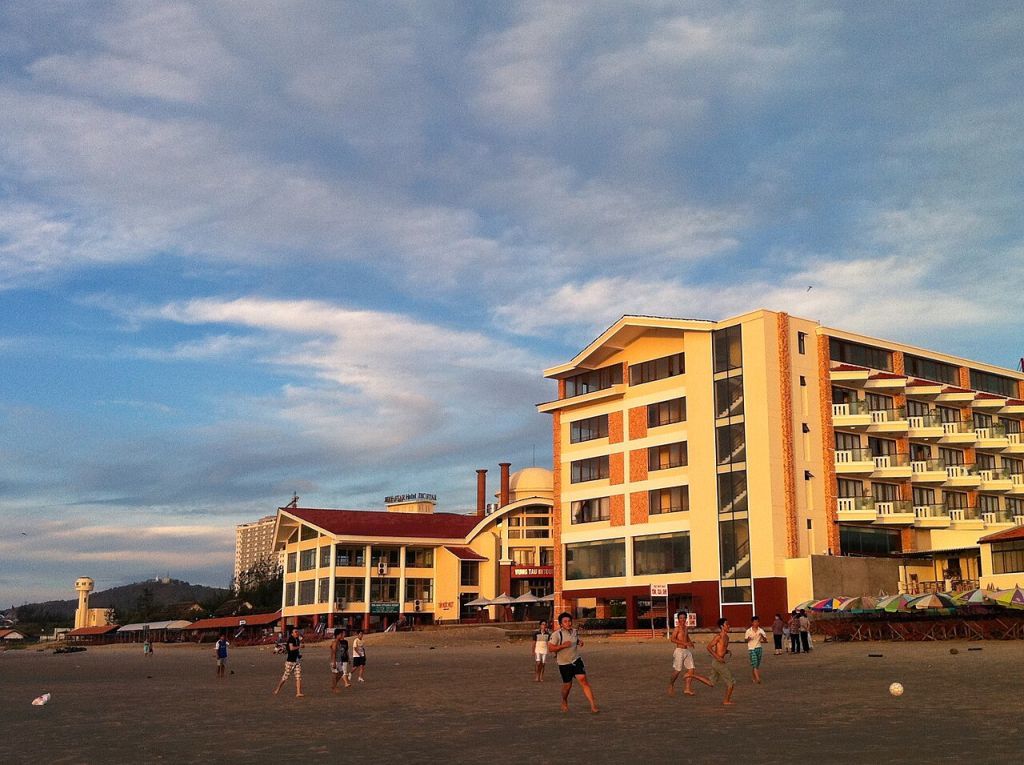
Is Vietnam safe for tourists? Yes. The United States rates Vietnam Level 1, “Exercise normal precautions,” its lowest advisory level, and violent crime against visitors is uncommon. The real risks are practical ones: road traffic, motorbike snatch theft, taxi and drink scams, and weather and water hazards that change by region and season.
Key facts (as of November 2026)
- The US State Department rates Vietnam Level 1, “Exercise normal precautions,” in an advisory issued on June 24, 2026. Canada advises travelers to “take normal security precautions.”
- Vietnam ranked 41st of 163 countries in the Global Peace Index 2026, with a score of 1.738, placing it 8th in the Asia-Pacific region (as of November 2026).
- Roads are the biggest danger: Vietnam recorded 18,601 traffic accidents and 10,491 deaths in 2025, and 4,877 deaths in the first half of 2026 (as of November 2026).
- Vietnam applies a zero alcohol limit to all drivers and riders under Decree 168/2024; motorbike drink-driving fines run from VND 2 to 3 million at the lowest level up to VND 8 to 10 million (as of November 2026).
- Central Vietnam floods most heavily in October and November, and typhoons are possible from roughly June to December.
- E-cigarettes and heated tobacco are banned in Vietnam; users can be fined VND 3 to 5 million and have the device destroyed (as of November 2026).
- Emergency numbers in Vietnam are 113 for police, 114 for fire and 115 for an ambulance.
Is Vietnam safe for tourists right now?
Yes, Vietnam is safe for tourists by the standards of every major government advisory, as of November 2026. The US State Department keeps the country at Level 1, the lowest of its four levels, in the advisory it issued on June 24, 2026. Canada tells its citizens to “take normal security precautions.” The UK Foreign, Commonwealth and Development Office (FCDO) safety page, updated on September 21, 2026, focuses on practical risks such as bag snatching, methanol in drinks and boat safety. Press reports from April 2026 describe Australia’s rating as its lowest level too, though you should confirm the current wording on the Australian government’s own site before you book.
Independent rankings point the same way. Vietnam placed 41st of 163 countries in the Global Peace Index 2026 with a score of 1.738, which made it 8th in the Asia-Pacific region (as of November 2026). In 2025 it ranked 38th, so the position moved slightly, but the country still sits in the upper third of the table.
A low advisory level does not mean nothing goes wrong. It means the problems are ordinary and predictable. The same government pages that give Vietnam a calm overall rating also warn about bag snatching, methanol in drinks, drink spiking and boat safety. None of those warnings should stop a trip. They should shape how you carry your phone, which taxi you get into, what you drink and which boat or motorbike tour you pay for.
What the advisories agree on
The US, UK and Canadian pages overlap on four points. Petty crime is the most likely crime you will meet. Road accidents are the most likely cause of serious injury. Weather can close roads, ports and whole towns for days. Medical care outside the big cities is limited, and hospitals often ask for payment before treatment. The rest of this guide takes those four points and applies them region by region.
What are the most common risks for tourists in Vietnam?
The most common risks for tourists in Vietnam are traffic accidents, phone and bag snatching from passing motorbikes, unlicensed taxis, overcharging scams and contaminated or spiked drinks. Violent crime against visitors is rare by comparison. Each of these has a simple countermeasure, and most travelers who have a bad day in Vietnam skipped one of them.
Traffic and crossing the road
Traffic is the single biggest threat to your health in Vietnam. The country recorded 18,601 road accidents, 10,491 deaths and 12,312 injuries in 2025 (as of November 2026). In the first half of 2026 there were 7,773 accidents and 4,877 deaths, a fall of 8.4% on the same period a year earlier. The long trend is improving: the World Health Organization put Vietnam’s road death rate at 17.7 per 100,000 people in 2021, down from 25.4 in 2010. That is still a high figure, and motorbikes make up most of what is on the road.
As a pedestrian, expect bikes on sidewalks, vehicles turning through crossings and very few drivers who stop for a zebra crossing. As a passenger, the main decisions are which vehicle you choose and whether you wear a proper helmet. As a rider, the decision is whether you should be riding at all, which depends on your license and experience. We cover that in the laws section below.
Local tip: To cross a busy street, wait for a gap in cars and buses, then walk at a slow, steady pace without stopping or stepping back. Motorbike riders steer around a pedestrian whose path they can predict. Sudden moves are what cause collisions. If you are unsure, cross next to a local.
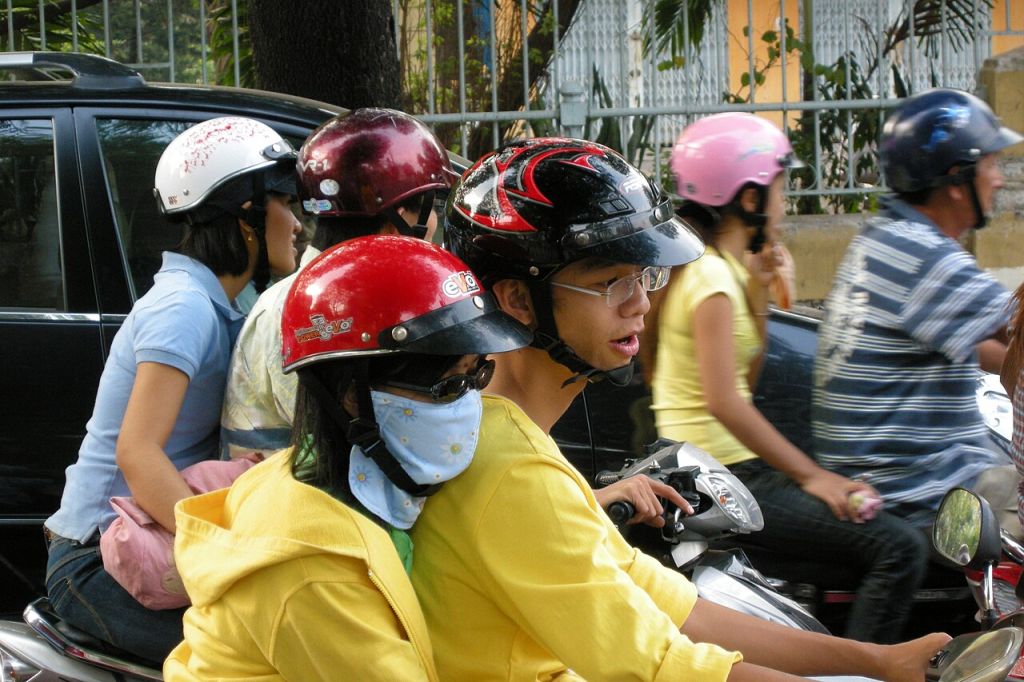
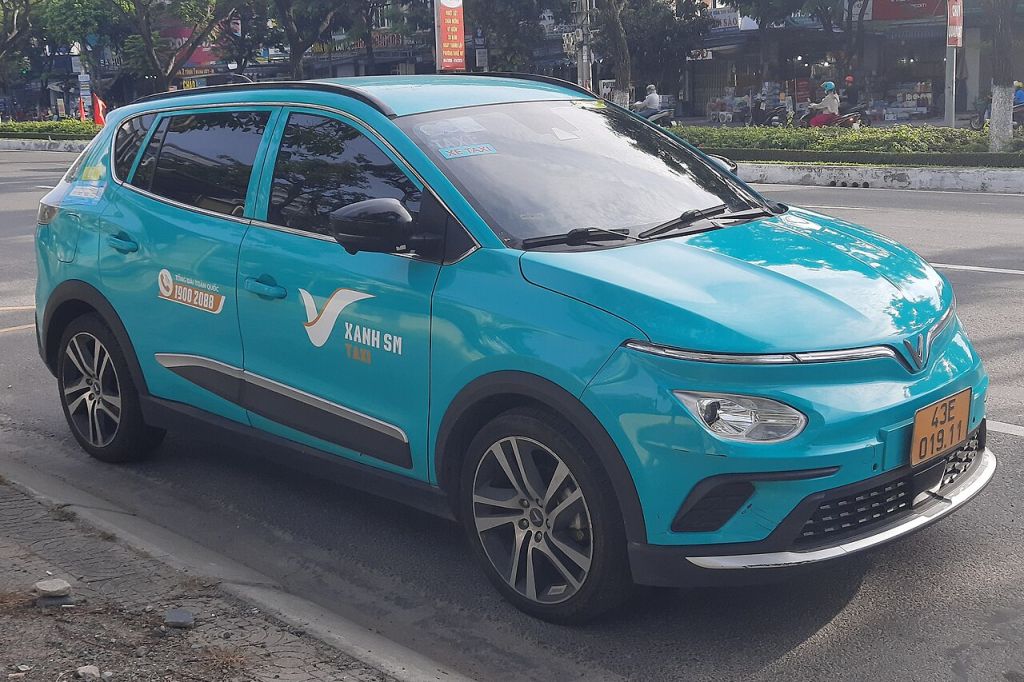
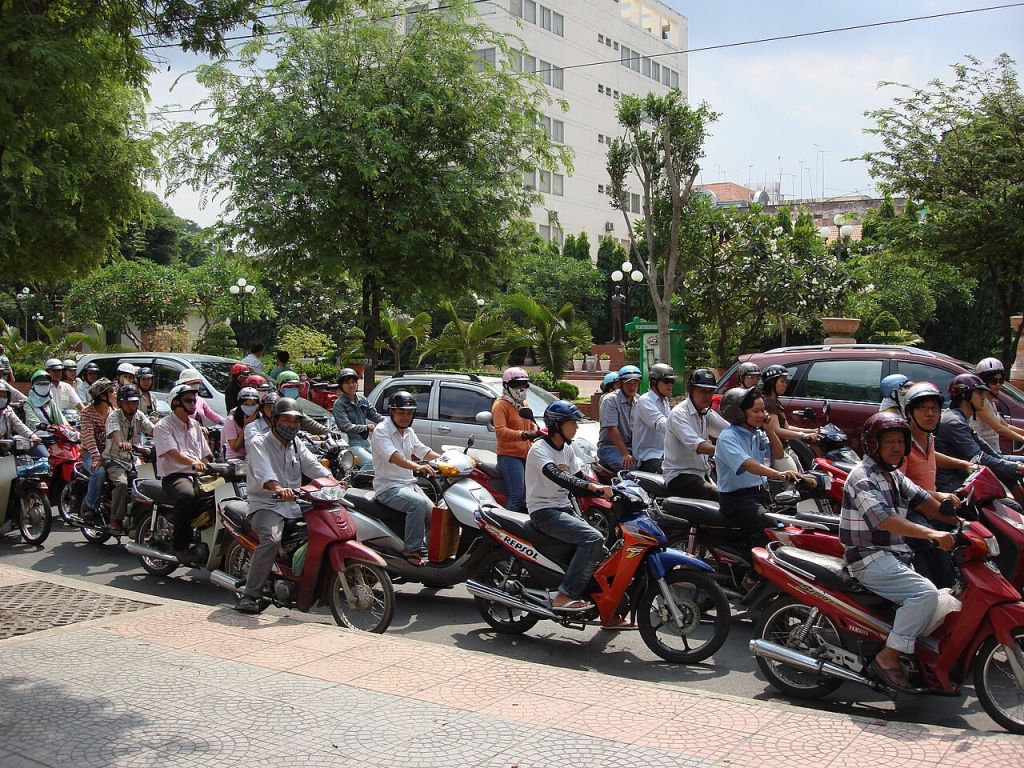
Photos: 1) Vyacheslav Argenberg, CC BY 4.0; 2) Lê Huỳnh Bộ, CC BY-SA 4.0; 3) Jorge Láscar, CC BY 2.0; via Wikimedia Commons.
Snatch theft
Snatching by thieves on motorbikes is the classic tourist crime in Vietnam. The FCDO describes it as common in tourist areas and notes that it rises around Christmas and Tet (Lunar New Year). The usual target is a phone held at the curb, a bag on the road-side shoulder, or a camera hanging loose. The theft takes about a second, and the risk of being pulled over and injured is worse than the loss.
Police do act on these cases. On July 14, 2026, a Korean tourist had a bag snatched in Ho Chi Minh City and the suspect was arrested within three hours. Still, do not count on getting things back. The FCDO also warns about theft on overnight trains, so keep your passport, cards and phone on your body when you sleep on a sleeper service, not in a bag at your feet.
Taxis, Grab and Xanh SM
The safest way to get around Vietnamese cities is a ride-hailing app or a large metered taxi firm. Grab and Xanh SM both show the price before you confirm, record the driver and the route, and remove the need to negotiate. If you prefer a regular taxi, ask your hotel to book one from a major metered company. The FCDO links assaults on travelers to unlicensed taxis, so avoid cars that approach you at airports, bus stations and outside bars, whatever price they quote.
Scams and overcharging
Overcharging is the scam you are most likely to meet, followed by card and ATM fraud. Canada’s advisory lists overcharging, ATM and credit card fraud and drugged drinks among the common problems. Travelers also commonly report a few street-level tricks, although there are no reliable statistics on them:
- The shoe-shine or shoe-repair grab: someone starts cleaning or gluing your shoe without asking, then demands a high fee.
- The coconut photo: a vendor hands you a carrying pole for a picture, then insists you buy overpriced coconuts.
- The money switch: a seller or driver swaps the large note you handed over for a smaller one and says you underpaid. Several Vietnamese banknotes look alike in poor light.
The fixes are plain. Ask the price before you eat, ride or accept anything. Count your notes out loud as you hand them over. Use ATMs inside bank branches or malls, cover the keypad, and keep one card in reserve in your room.
Methanol and drink spiking
Contaminated alcohol is rare but can kill, and it is not limited to back-street bars. The FCDO warns that people have died in Vietnam after drinking alcohol containing methanol, including drinks served in licensed bars. On December 26, 2024, two tourists died in Hoi An after drinking homemade limoncello, and the bartender was arrested in February 2025.
Reduce the risk by choosing sealed beer or branded spirits poured from a bottle you can see, and by skipping free shots, buckets and homemade infusions. Drink spiking is also flagged by the UK and Canadian advisories. Watch your glass being poured, keep it in your hand, and leave with the people you arrived with. If someone in your group becomes confused, has blurred vision or is far more drunk than their intake explains, treat it as an emergency and go to a hospital.
Is Vietnam safe in every region? A north-to-south breakdown
Yes, every main tourist region of Vietnam is safe to visit, but the leading risk changes as you move from north to south. In the north it is mountain roads and boats. On the central coast it is storms and floods. In the south it is city theft, mosquitoes and beach currents. If you are still choosing where to go, our guide to which region of Vietnam to visit covers the travel side, and the table below covers the safety side.
| Region | Main risk | Months to watch | One tip |
|---|---|---|---|
| Hanoi (Hà Nội) | Traffic, air pollution, Train Street crowds | Smog season starts in November | Check the air quality index each morning in winter |
| Sapa (Sa Pa) and the Ha Giang Loop (Hà Giang) | Mountain road crashes, landslides | Rainy season | Book only licensed operators and ask to see the driver’s license |
| Ha Long Bay (Vịnh Hạ Long) | Boat accidents in storms, fire on board | Typhoons roughly June to December | Find the life jackets and exits before the boat leaves |
| Hue (Huế), Da Nang (Đà Nẵng), Hoi An (Hội An) | Floods, typhoons, landslides | Flooding peaks October to November | Keep bookings flexible in the wet months |
| Nha Trang and other beach towns | Rip currents, unsupervised beaches | Typhoons roughly June to December | Swim only where lifeguards are on duty |
| Ho Chi Minh City (Thành phố Hồ Chí Minh) | Snatch theft, traffic | Christmas and Tet | Hold your phone on the building side of the sidewalk |
| Mekong Delta and Phu Quoc (Phú Quốc) | Dengue, boat safety, currents | Dengue peaks August to November | Use repellent all day, not only at dusk |
| Vung Tau (Vũng Tàu), Back Beach (Bãi Sau) | Currents outside lifeguard zones | Tet and holiday weekends | Stay inside the marked safe zones |
Hanoi and Train Street
Hanoi (Hà Nội) is safe for visitors, and its main hazards are traffic and winter air quality. The narrow lanes of the Old Quarter (Phố Cổ) mix pedestrians, motorbikes and delivery carts, so walk on the inside of the lane and keep bags on the wall side.
Train Street (Phố Đường Tàu) deserves a separate note. Cafés along the track have been officially banned since 2019, and barriers have blocked the entrances since September 2022, yet visitors still find their way in. On February 27, 2026, authorities agreed to cut passenger trains and suspend freight trains on that stretch of line. It is not clear how fully that has been carried out, so treat the track as live. Do not go around barriers, and do not stand on the rails for a photo.
Sapa and the Ha Giang Loop
The northern mountains are safe to visit with a licensed operator, and risky with a careless one. The Ha Giang Loop (Hà Giang), which since the 2025 provincial mergers falls under Tuyen Quang province (Tuyên Quang), is a multi-day motorbike route on steep roads with blind corners. On April 2, 2026, a 19-year-old British passenger died on the loop. Inspections afterward found more than 40 violations, and unlicensed operators were banned from selling tours.
If you go, ride as a passenger behind a licensed local driver unless you hold a license that is valid in Vietnam and have real mountain riding experience. Ask the operator to show its business license, check the helmet and tires yourself, and refuse to ride after dark or after the driver has been drinking. Around Sapa (Sa Pa), the FCDO’s general warning about landslides in the rainy season applies to both roads and trekking trails. After heavy rain, ask your guide whether the route is open before you set off.
Ha Long Bay boats
Ha Long Bay (Vịnh Hạ Long) cruises run every day without incident, but the bay has had serious accidents and boat choice matters. On July 19, 2025, the tourist boat Wonder Sea capsized in a sudden thunderstorm, and 39 of the 49 people on board died. On February 27, 2026, a cruise boat with 41 people aboard caught fire. Nobody was hurt, and the authorities ordered inspections of all tourist vessels. The FCDO now tells British travelers to “think carefully” before booking an overnight boat trip.
Practical steps: book with an established company, not the cheapest seller on the street. Check the forecast the night before. Once on board, find the life jackets, count them and note the exits from your cabin. If port authorities cancel sailings because of weather, accept the refund or the new date and do not look for a boat that will go anyway.
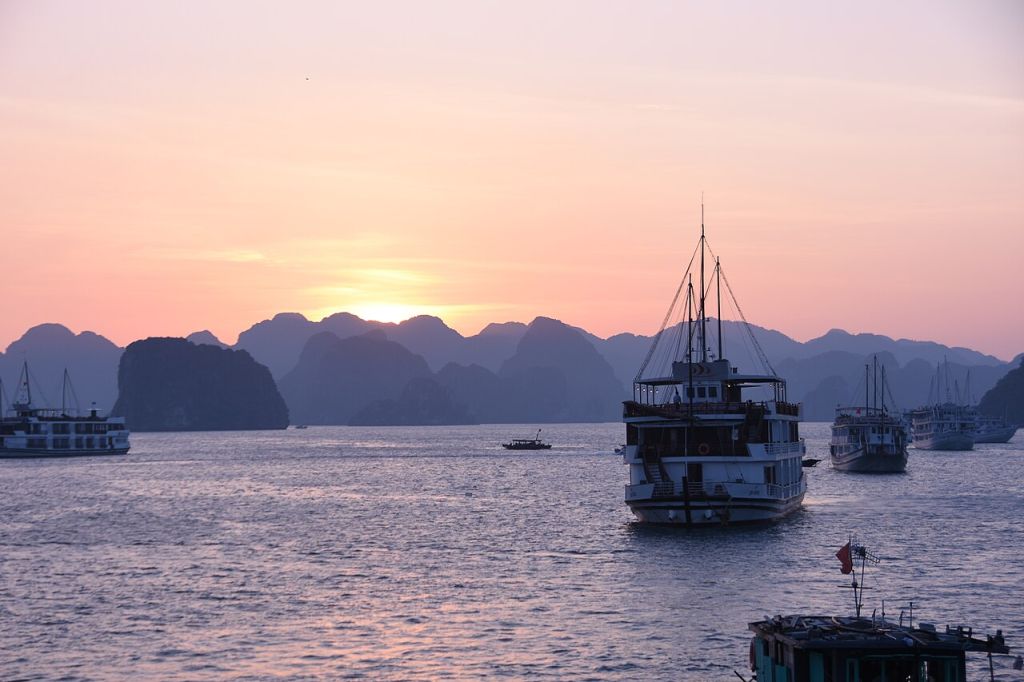
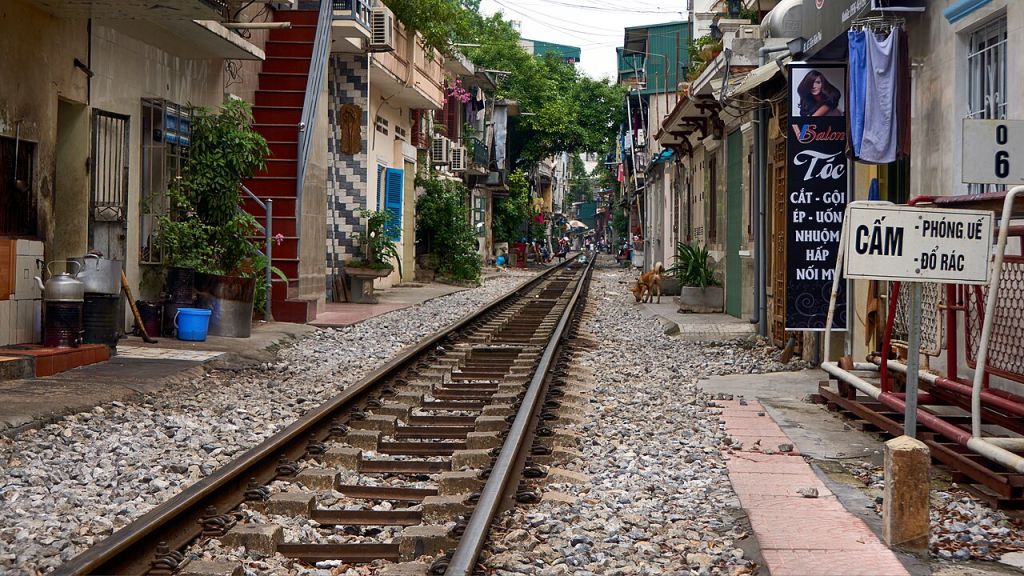
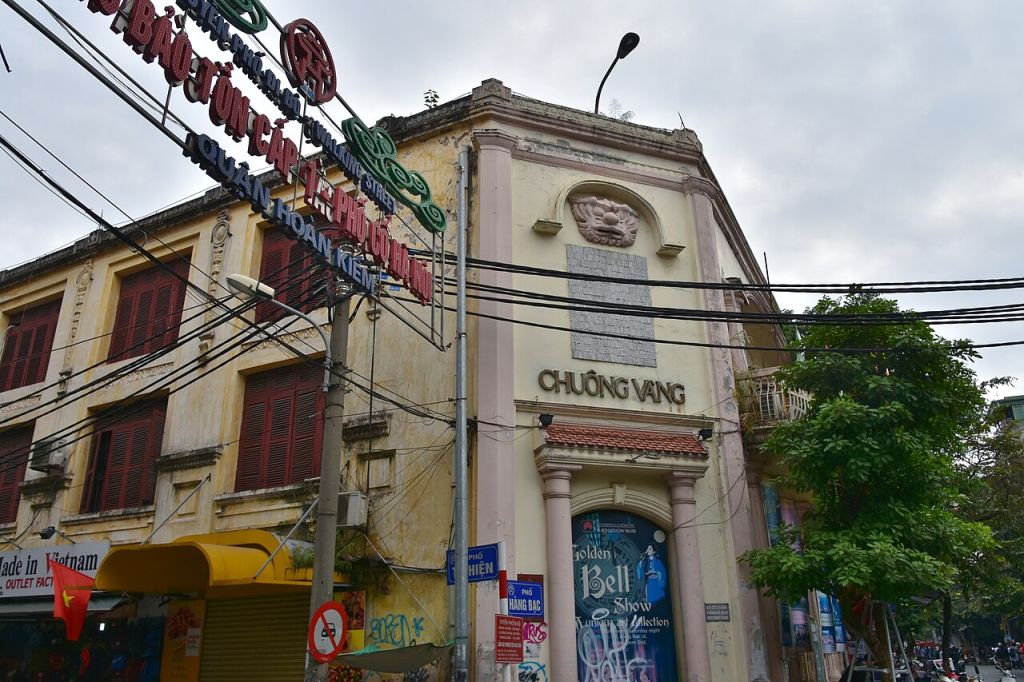
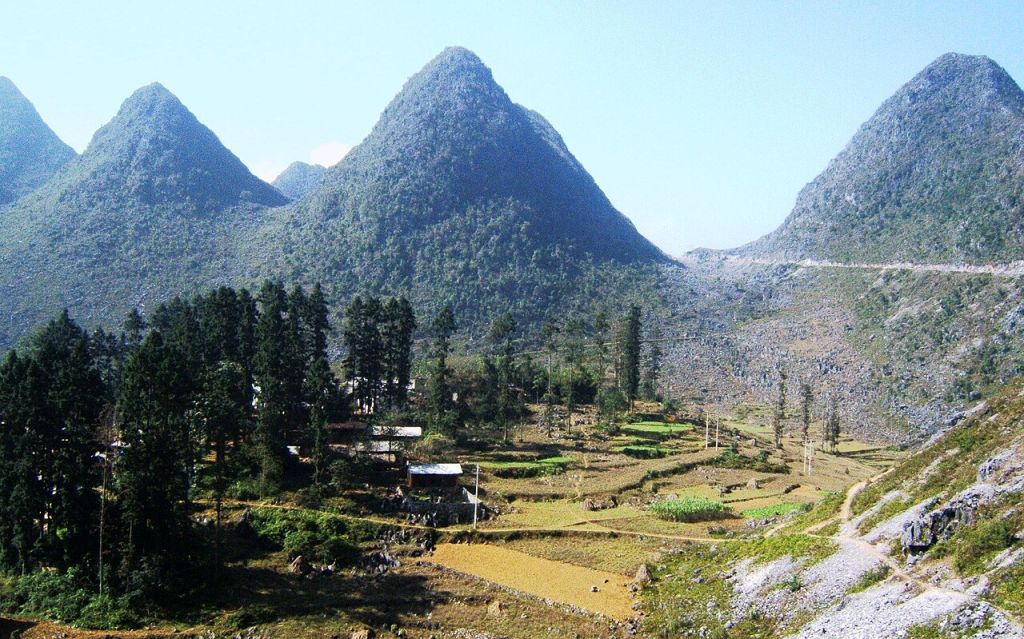
Photos: 1) shankar s., CC BY 2.0; 2) Radek Kucharski, CC BY 2.0; 3) Richard Mortel, CC BY 2.0; 4) BacLuong at Vietnamese Wikipedia, Public domain; via Wikimedia Commons.
Central coast: Hue, Da Nang and Hoi An
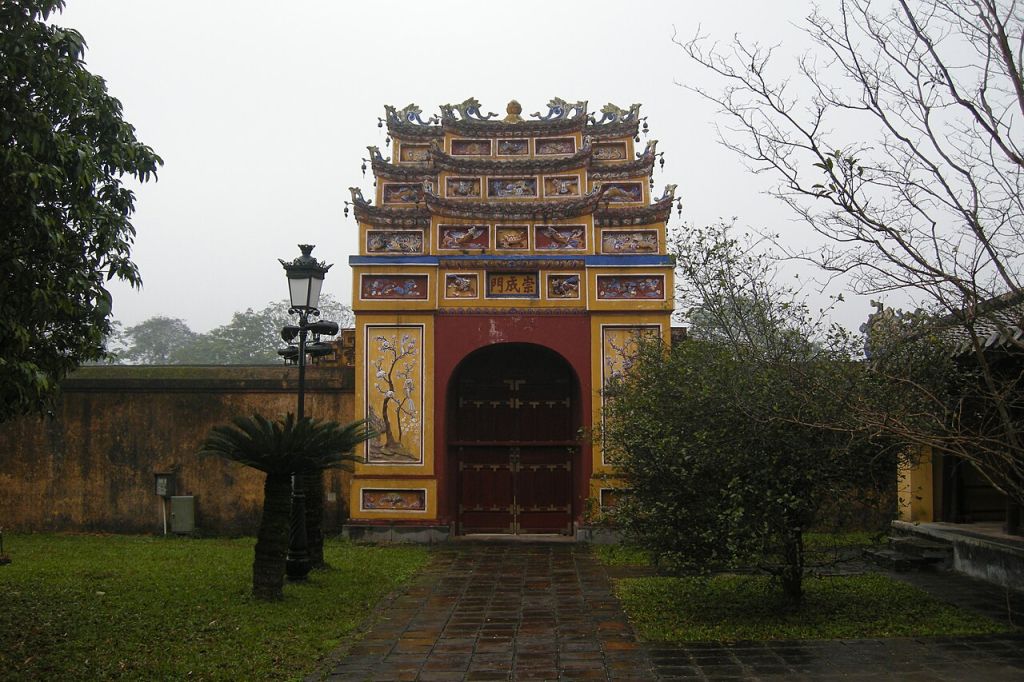
The central coast is safe for most of the year, and its real danger is weather. Flooding peaks in October and November, and typhoons can arrive from roughly June to December. The floods that ran from October 16 to December 6, 2025 left at least 219 people dead or missing. The old town of Hoi An (Hội An) was closed for four to five days from October 27, 2025. The pattern repeated in 2026: heavy rain on November 10, 2026 caused landslides in Hue (Huế) and Quang Tri (Quảng Trị) and damage in Da Nang (Đà Nẵng).
Tourists are rarely hurt in these events, but plans are often wrecked. Roads and rail lines close, flights are delayed and ground-floor rooms flood. If you travel here in the wet months, book rooms and transport you can cancel, choose accommodation above ground level, keep a power bank charged and follow instructions from your hotel and local authorities. Do not wade or ride through floodwater you cannot see the bottom of.
Nha Trang and other beach towns
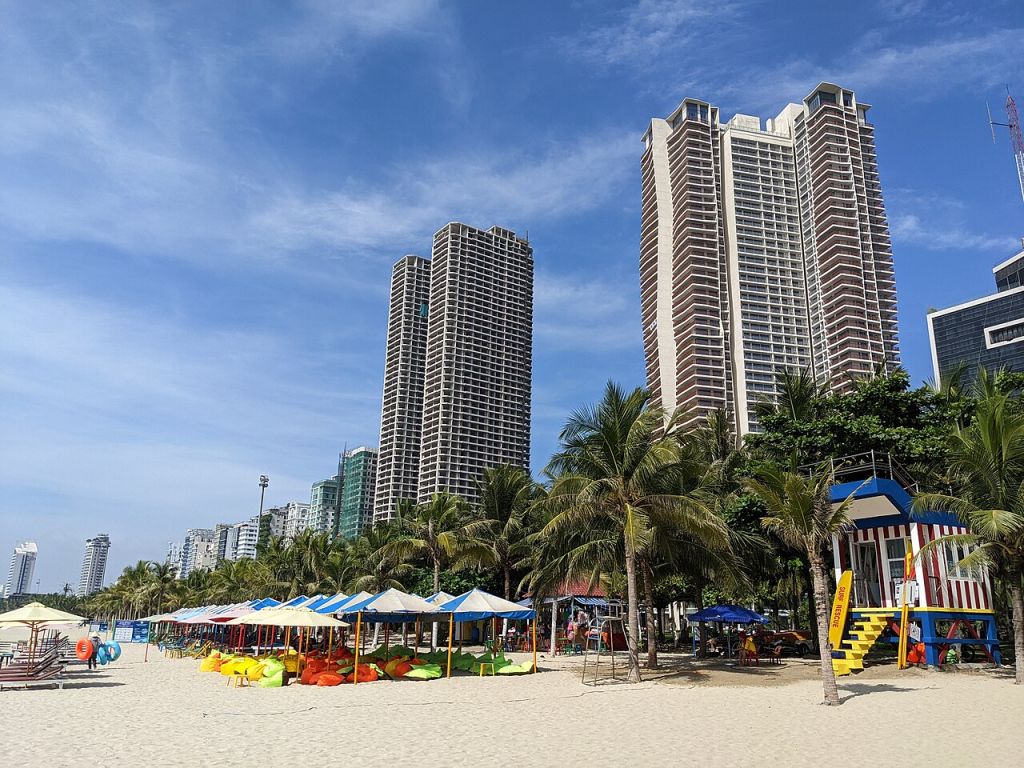
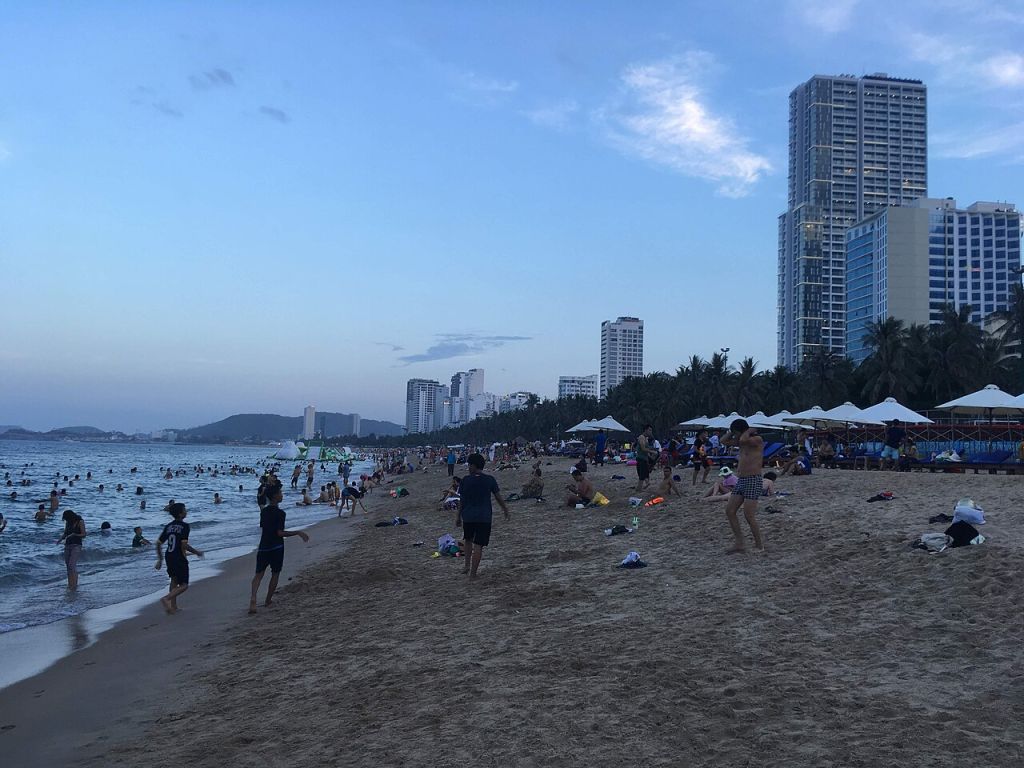
Vietnam’s beaches are safe when you swim in supervised areas, and dangerous when you do not. Canada’s advisory warns about rip currents and the number of beaches with no lifeguards or warning signs. That applies to Nha Trang, Da Nang’s long open beaches, Mui Ne (Mũi Né) and quiet island coves alike. Swim where other people are swimming and where lifeguards are on duty, stay out of the water after drinking, and keep out of the sea when a storm is approaching, even if the sky above you is still clear.
Ho Chi Minh City
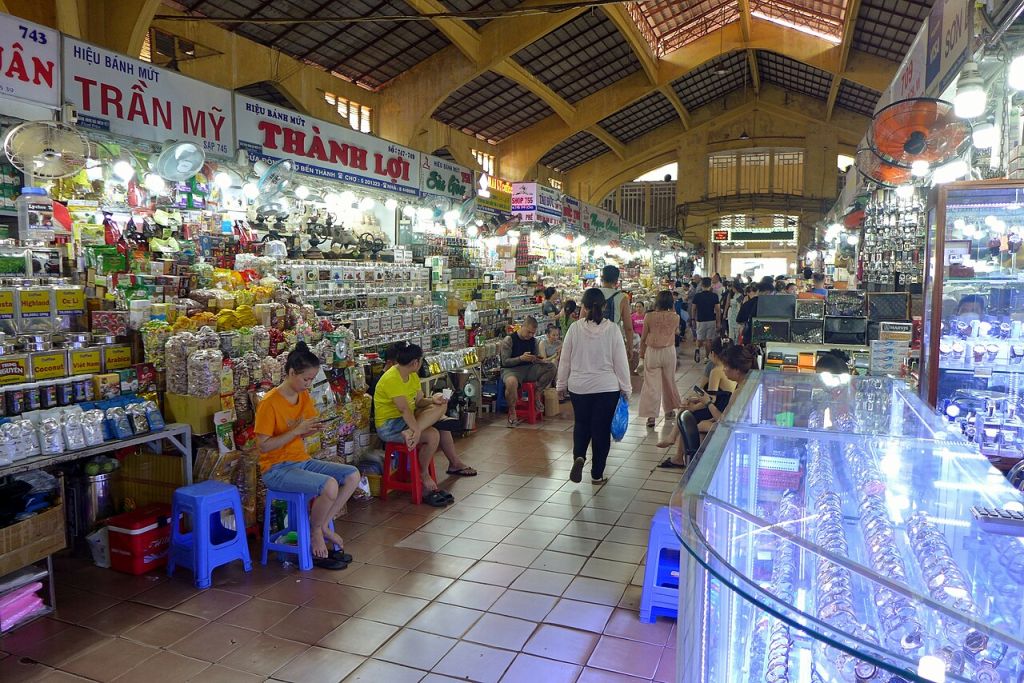
Ho Chi Minh City (Thành phố Hồ Chí Minh), still widely called Saigon (Sài Gòn), is safe for tourists, with snatch theft and traffic as the two things to manage. Risk is highest where visitors gather: around Ben Thanh Market (Chợ Bến Thành), the Bui Vien (Bùi Viện) backpacker street and the riverfront in District 1. Use a cross-body bag worn on the side away from the road, step into a doorway to check your map, and take a Grab or Xanh SM car home after a night out. For a street-level view from guides who work in the city every day, read this local take on safety in Saigon.
Local tip: When you need your phone on the street, stand with your back to a wall or shopfront and hold the phone in the hand farthest from the road. Riders who snatch phones work along the curb, so a few steps of distance removes most of the risk.
Mekong Delta and Phu Quoc
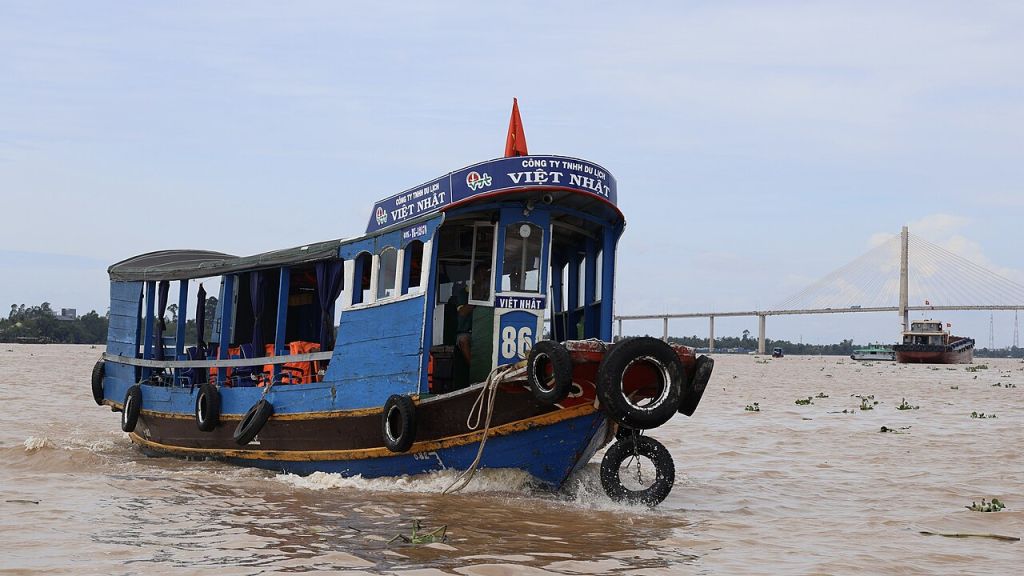
The Mekong Delta (Đồng bằng sông Cửu Long) and Phu Quoc (Phú Quốc) are low-crime areas where health and water matter more than theft. Dengue in the south peaks from August to November, so use repellent through the day. On river tours, wear the life jacket you are given, and ask for one if none is offered. On Phu Quoc, the same beach rules apply as elsewhere: many stretches of sand have no lifeguard. One practical point for planning: Phu Quoc allows 30 days visa-free for travelers who arrive directly on an international flight or boat (as of November 2026).
Photos: 1) Vyacheslav Argenberg, CC BY 4.0; 2) Jpatokal, CC BY-SA 4.0; 3) Christophe95, CC BY-SA 4.0; 4) Bahnfrend, CC BY-SA 4.0; 5) Yuqiao, CC BY 4.0; via Wikimedia Commons.
Is Vung Tau safe, and where should you swim at Back Beach?
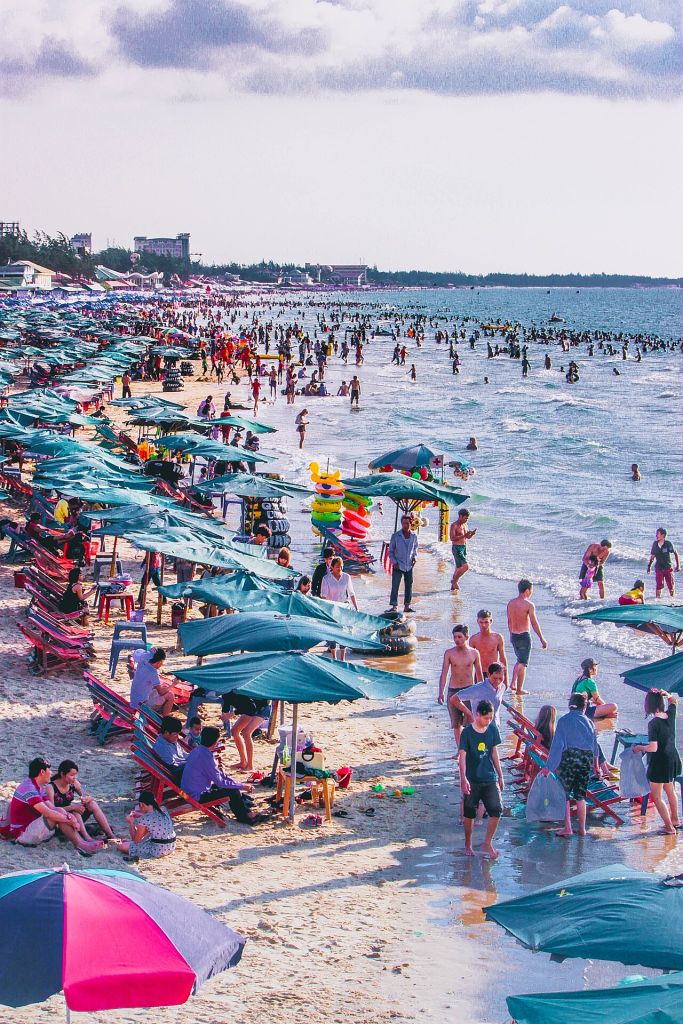
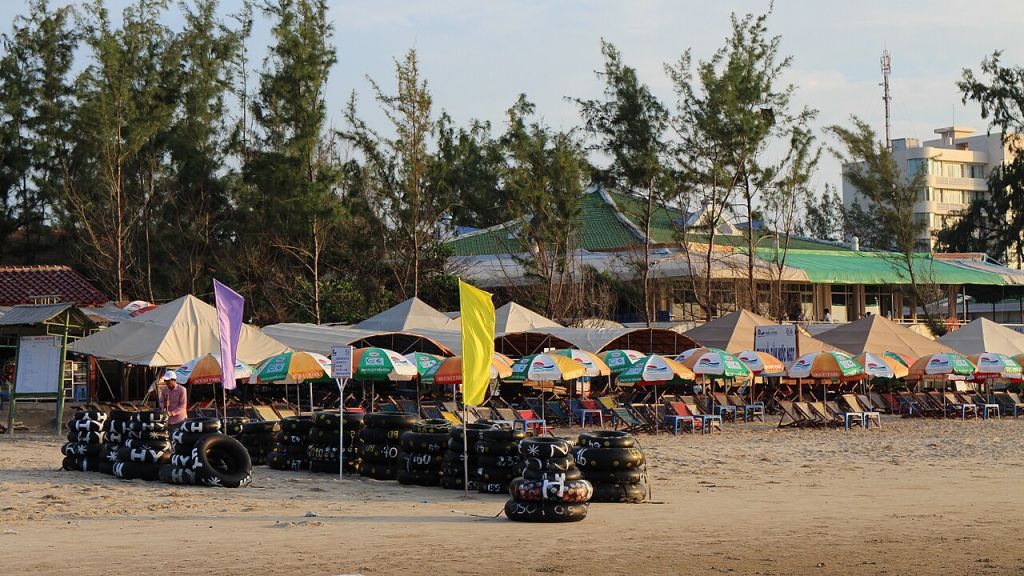
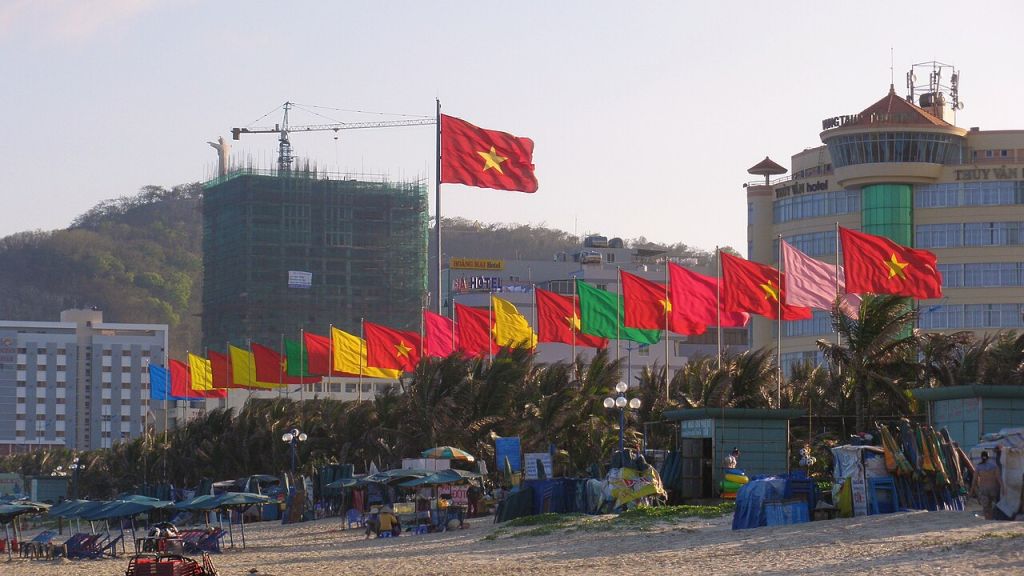
Vung Tau (Vũng Tàu) is one of the calmer places to stay in southern Vietnam, and Back Beach (Bãi Sau) is safe for swimming inside the marked zones that lifeguards watch. Since July 1, 2025, Vung Tau has been part of Ho Chi Minh City administratively, although it remains a separate seaside town about two hours from central Saigon. Streets are wider and quieter than in District 1, and most visitors are Vietnamese families on weekend breaks.
The risk here is the sea. Between February 17 and 21, 2026, during the Tet holiday, lifeguards rescued more than 100 swimmers at Back Beach. Nobody died, which says a lot about the rescue teams. It also shows how quickly people get into trouble when crowds spread beyond the supervised areas. The danger sits outside the lifeguard safe zones, where currents and channels form along the long, open shoreline.
How to swim safely at Back Beach
- Enter the water only inside the marked safe zones, and get out when lifeguards whistle or wave you in.
- Keep children within arm’s reach. The slope is gentle, but waves and currents can knock a small child over.
- Avoid swimming at dusk, after dark or after drinking, when lifeguards are off duty or cannot see you.
- If a current pulls you out, do not fight it. Float, raise an arm and shout, then swim parallel to the shore once the pull eases.
- Leave valuables in your room. Bags left on the sand are easy targets on busy weekends.
Local tip: Back Beach is busiest on weekends, public holidays and at Tet. Come on a weekday morning for a quieter swim, and ask your host which stretch has lifeguards on duty that day before you walk down.
Want a quiet beach base near Saigon? A Vung Tau Pearl apartment near Back Beach (Bãi Sau) puts you a short walk from the supervised swimming areas and about two hours from Ho Chi Minh City. Email us and we will answer your questions about dates and the area.
Photos: 1) Nh.Nguyen, CC BY-SA 4.0; 2) trungydang, CC BY 3.0; 3) trungydang, CC BY 3.0; via Wikimedia Commons.
What health risks should you plan for in Vietnam?
The main health risks for tourists in Vietnam are stomach upsets from water and food, dengue fever, rabies from animal bites and poor air quality in the north in winter. All four can be managed with basic habits, and the fifth item to arrange is insurance that covers hospital bills and medical evacuation.
Water and food
Tap water in Vietnam is not safe to drink. Use bottled or filtered water for drinking, and consider it for brushing your teeth if your stomach is sensitive. Street food is a big part of a trip here. Pick stalls with a steady line of local customers and food cooked to order in front of you, and be more careful with raw herbs and salads in your first days.
Dengue fever
Dengue is present across Vietnam and is no longer limited to one season. The country reported more than 170,000 cases and 21 deaths in the first 10 months of 2026 (as of November 2026), and health officials say outbreaks no longer follow the old seasonal pattern. In the south, the peak still runs from August to November. The mosquitoes that carry dengue bite during the day, so apply repellent in the morning and again in the afternoon, and choose rooms with screens or air conditioning. See a doctor for any high fever with severe headache or joint pain.
Rabies
Rabies is a real risk in Vietnam, and it is fatal once symptoms begin. Southern Vietnam recorded 23 cases in the first 30 weeks of 2026, and all 23 people died (as of November 2026). Do not pet dogs, cats or monkeys, however friendly they look. If you are bitten or scratched, wash the wound with soap and running water for several minutes and go to a clinic the same day for post-exposure treatment.
Air quality
Air pollution in Hanoi is significant, according to the US advisory, and it is worst in the cooler months. Smog season starts in November. On December 11, 2025, the city’s air quality index readings ranged from 220 to 295. If you have asthma or a heart condition, pack your medication, bring well-fitting masks, and plan indoor days when readings are high.
Hospitals and insurance
Hospitals in Vietnam often ask for payment up front before they treat you, including in emergencies. The US State Department advises travelers to buy insurance that covers medical evacuation, because serious cases may need to be moved to a larger city or another country. Check that your policy covers motorbike riding, including as a passenger, and read the license conditions. Save the insurer’s 24-hour number in your phone before you fly.
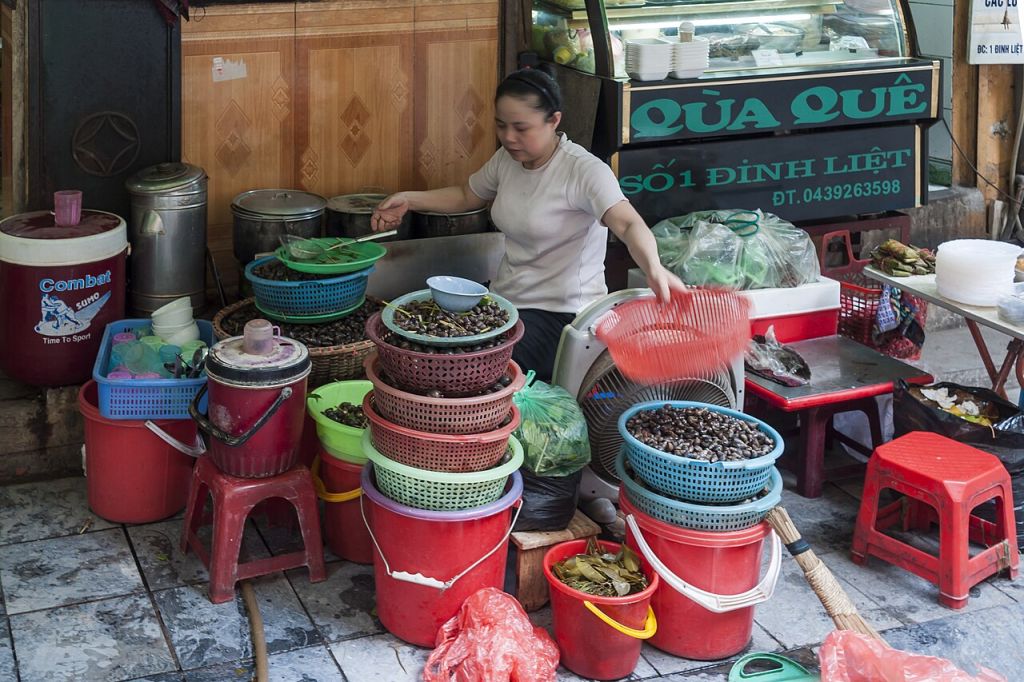
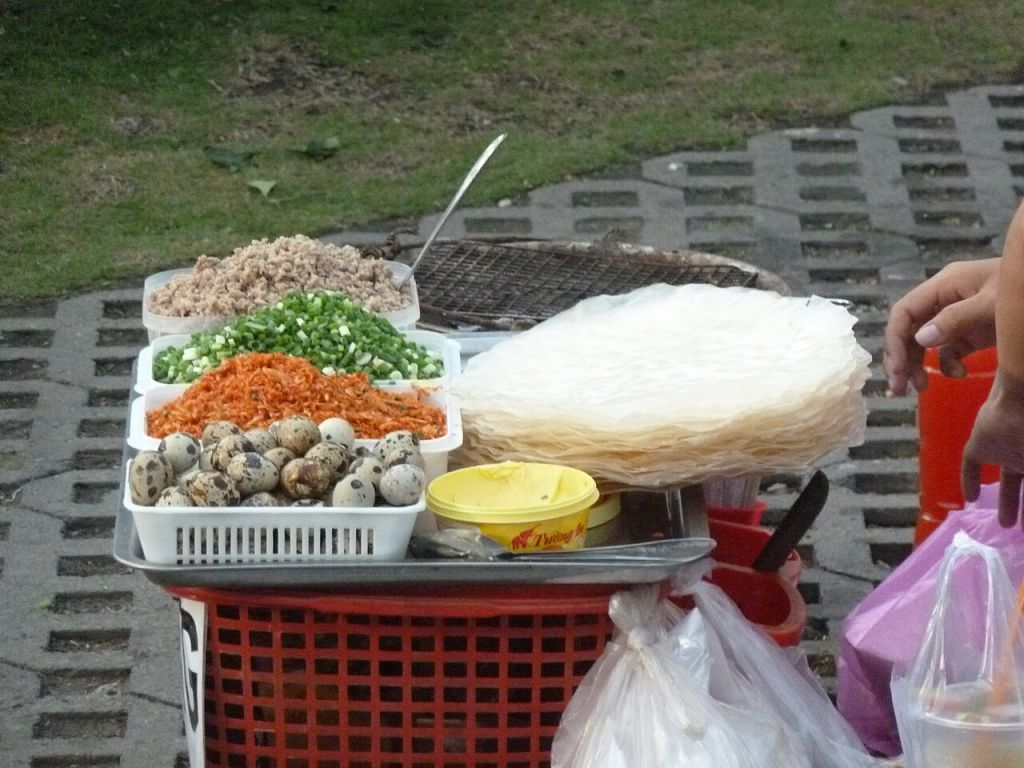
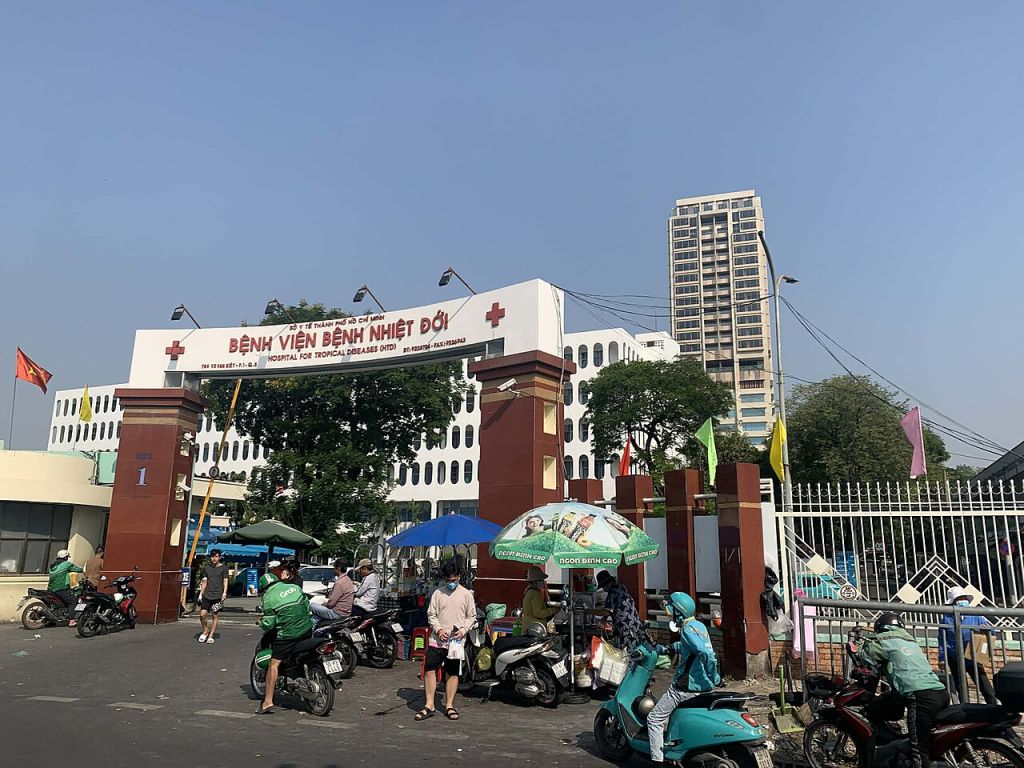
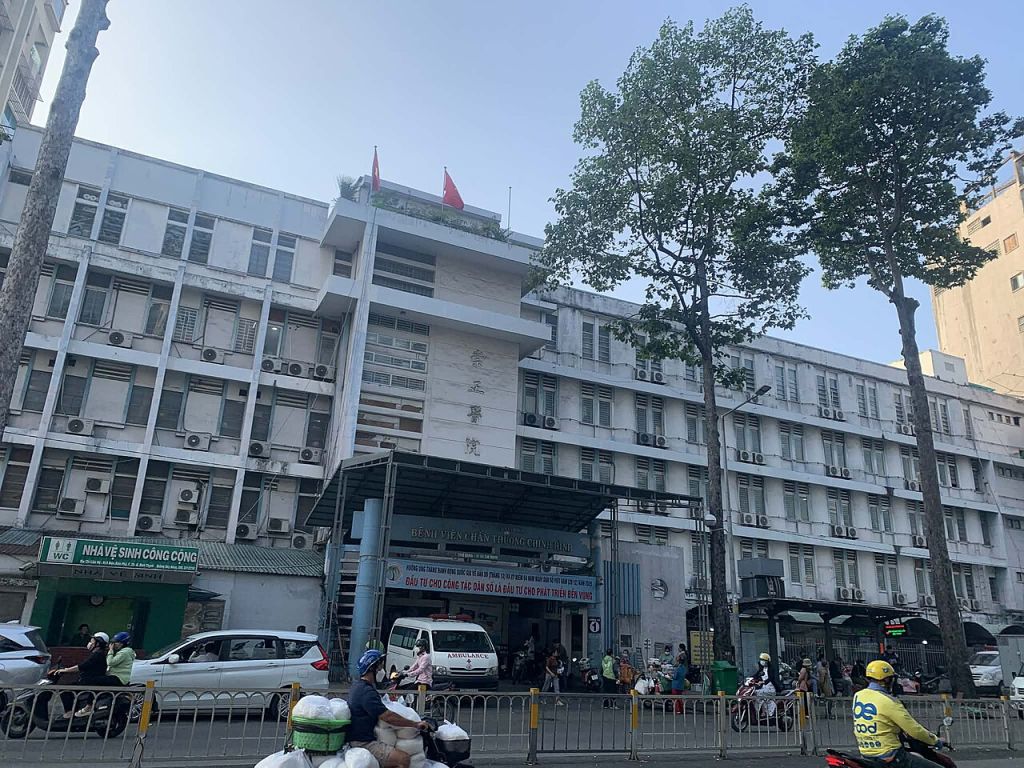
Photos: 1) CEphoto, Uwe Aranas, CC BY-SA 3.0; 2) Light Write, CC BY-SA 2.0; 3) Welches2012, CC0; 4) Welches2012, CC BY 4.0; via Wikimedia Commons.
Which laws do tourists break most often in Vietnam?
The laws tourists break most often in Vietnam concern motorbike licenses, drink driving, e-cigarettes, drones and drugs. Most visitors who are fined did not know the rule existed. The table gives the short version, and the notes below it explain the gray areas.
| Rule | What the law says | Penalty (as of November 2026) |
|---|---|---|
| Drink driving (Decree 168/2024) | Zero alcohol for all drivers and riders | Motorbike riders: VND 2 to 3 million at the lowest level, up to VND 8 to 10 million |
| Running a red light (Decree 168/2024) | Applies to motorbikes and cars | Motorbike riders: VND 4 to 6 million |
| E-cigarettes and heated tobacco (Decree 371/2025) | Banned; you may not bring them into the country | Users: VND 3 to 5 million, and the device is destroyed |
| Drones (Decree 288/2025) | Ministry of Defence permit required; recreational drones under 0.25 kg are exempt outside restricted zones | Check the rules before flying |
| Illegal drugs | Possession, use and trafficking are all crimes | Severe, up to the death penalty |
| Identification | Carry photo ID or a copy of your passport; your hotel registers your stay | Not specified here |
Motorbike licenses and the IDP question
Riding a motorbike without a license that is valid in Vietnam is the most common offense, and official sources do not fully agree on what counts as valid. The FCDO and Vietnam Law Magazine state that an International Driving Permit (IDP) issued under the 1968 Vienna Convention, carried together with your home license, is accepted. The United States and Australia are not parties to that convention, so their advice is that travelers need a Vietnamese license to ride legally.
The safe reading is this. If your country issues 1968-convention IDPs and your home license covers motorcycles, bring both documents. If you are American or Australian, assume your IDP will not be accepted and ride as a passenger. An invalid license also tends to void travel insurance for any crash, which is the more expensive problem. Our guide to renting a motorbike in Vietnam goes through documents, rental checks and deposits in detail.
Drink driving and traffic fines
Vietnam has a zero alcohol limit for anyone in control of a vehicle, including a rented scooter. Decree 168/2024, in force since January 1, 2025, raised traffic fines sharply. Motorbike riders caught with any alcohol in their system pay VND 2 to 3 million at the lowest level and up to VND 8 to 10 million at the highest (as of November 2026). Running a red light on a motorbike costs VND 4 to 6 million. One beer at lunch is enough to fail a roadside test, so take a Grab after any drink.
E-cigarettes and vapes
Vaping is illegal in Vietnam. E-cigarettes and heated tobacco products have been banned since 2025, and Decree 371/2025, effective December 31, 2025, sets fines of VND 3 to 5 million for users, with the device destroyed (as of November 2026). Bringing devices into the country is also banned, so leave them at home.
Drones
Do not fly a drone in Vietnam without checking the current rules. Decree 288/2025 requires a permit from the Ministry of Defence. Recreational drones under 0.25 kg are exempt outside restricted zones, but restricted zones include many places visitors want to film, and they are not always marked. When in doubt, ask your tour operator or keep the drone in its bag.
Drugs
Vietnam’s drug laws are very strict, with penalties that go up to the death penalty. Police may carry out drug tests at bars, clubs and other venues, and a positive test is treated as an offense even if you are carrying nothing. Decline anything offered to you, including on the backpacker streets where offers are common.
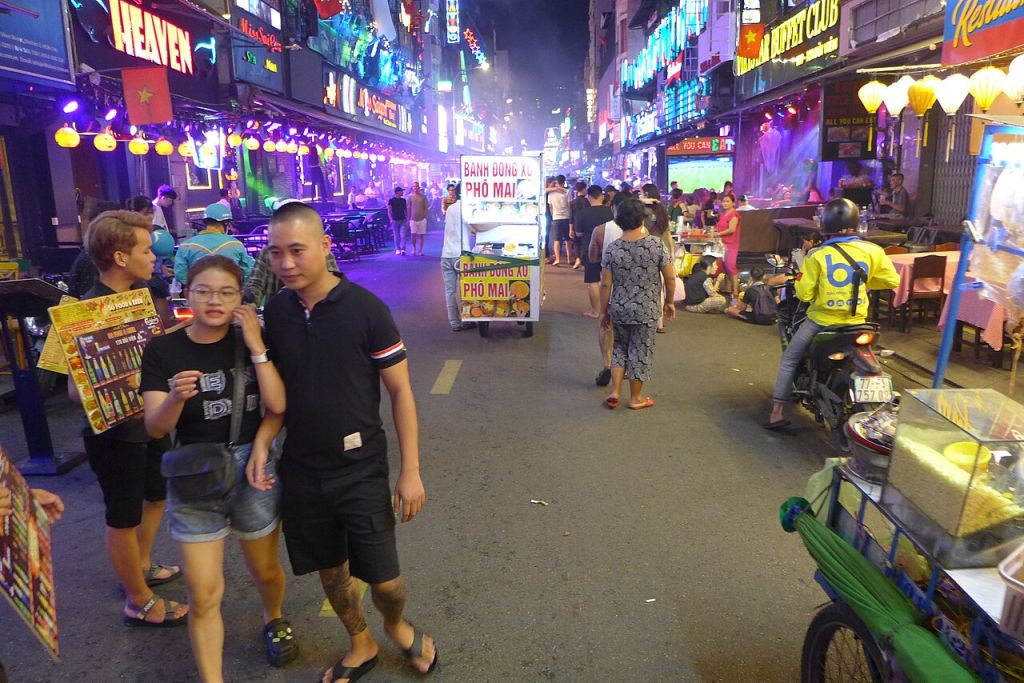
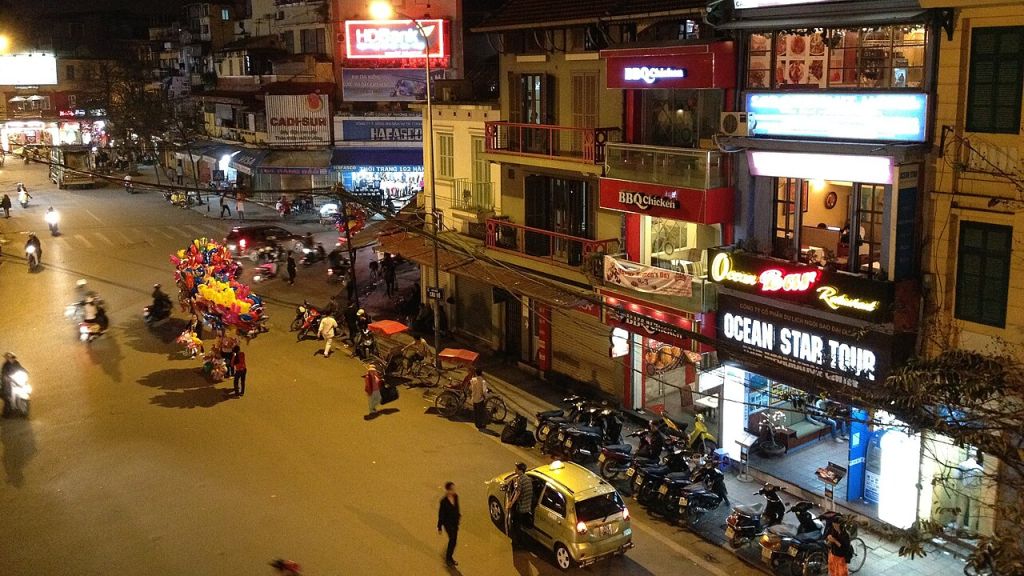
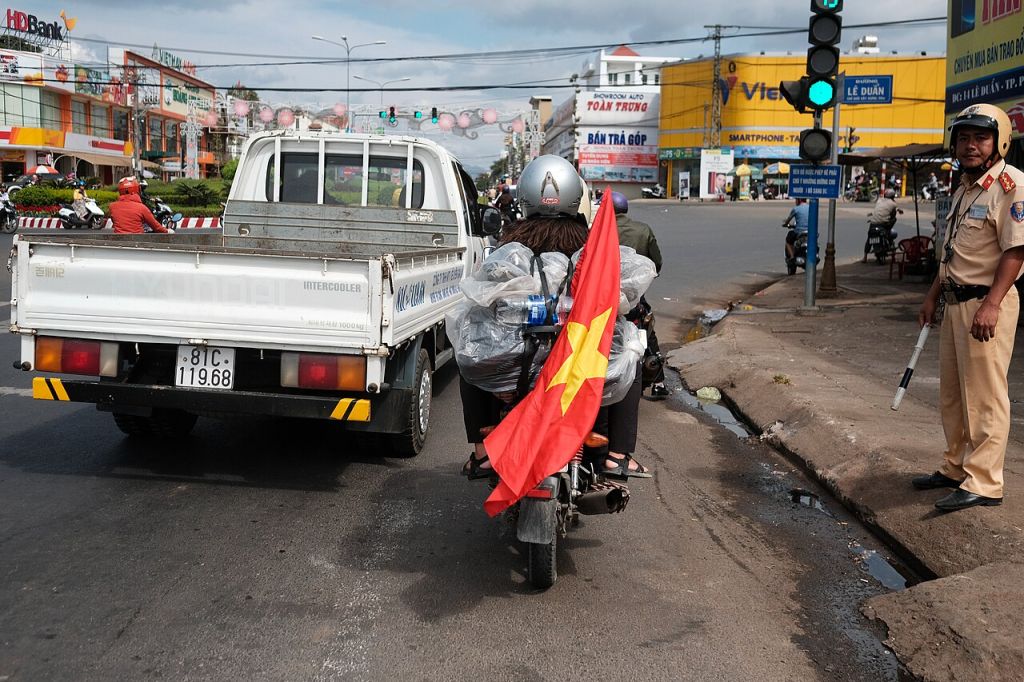
Photos: 1) Bahnfrend, CC BY-SA 4.0; 2) David McKelvey, CC BY 2.0; 3) Vinnie Cartabiano, CC BY 2.0; via Wikimedia Commons.
Is Vietnam safe for women, solo travelers and LGBTQ visitors?
Yes, Vietnam is a safe country for women, solo travelers and LGBTQ visitors, with the same petty-crime risks everyone faces plus a few specific cautions. Most people who travel alone here report friendly, low-pressure days.
Women and solo travelers
Harassment of women does occur, as Canada’s advisory notes, and most reported cases involve nightlife areas, taxis or massage businesses. Use app-based rides at night and share the trip link with a friend. Watch your drink, and be careful about accepting drinks from people you have just met. Choose accommodation with staffed reception and good recent reviews. Solo travelers of any gender should tell someone their plan before a motorbike day trip or a trek, since phone signal drops in the mountains.
LGBTQ travelers
Vietnam is generally tolerant of LGBTQ travelers. There are no criminal penalties for same-sex relationships, although same-sex marriage is not legally recognized. Couples rarely have trouble booking a double room. Public displays of affection are uncommon for all couples in Vietnam, particularly outside the big cities, so modest behavior in public draws less attention.
What are the emergency numbers in Vietnam?
Vietnam’s emergency numbers are 113 for police, 114 for fire and rescue, and 115 for an ambulance. Operators may not speak English, so ask a Vietnamese speaker to make the call when you can: hotel staff, a shop owner or your driver.
| Service | Number | When to call |
|---|---|---|
| Police (Công an) | 113 | Theft, assault, traffic accidents |
| Fire and rescue (Cứu hỏa) | 114 | Fire, people trapped, flood rescue |
| Ambulance (Cấp cứu) | 115 | Medical emergencies |
In a city, a Grab car or taxi to the nearest hospital is often quicker than waiting for an ambulance if the patient can be moved. After a theft, go to the local police station for a written report, because your insurer will ask for one. Keep your embassy’s or consulate’s phone number saved, along with your insurer’s emergency line.
Useful Vietnamese
- Cứu tôi với! Help me!
- Gọi công an. Call the police.
- Bệnh viện. Hospital.
- Bao nhiêu tiền? How much is it?
- Không, cảm ơn. No, thank you.
- Tôi bị mất ví / điện thoại. I lost my wallet / phone.
Vietnam safety checklist before you go
Ten steps cover most of what can go wrong on a trip to Vietnam. Work through them in the week before you fly.
- Check your government’s advisory a few days before departure. Levels and regional warnings change after storms and incidents.
- Sort out your visa. The e-visa is valid for up to 90 days and costs USD 25 for single entry or USD 50 for multiple entry, with processing in three to five working days (as of November 2026). Citizens of the UK, Germany, France, Italy, Spain, Japan, South Korea, the Nordic countries and a number of other European states can enter visa-free for 45 days. Travelers from the US, Australia and Canada need an e-visa.
- Buy insurance that covers medical evacuation and any motorbike riding you plan to do.
- Install Grab and Xanh SM and add a payment card before you land.
- Carry a copy of your passport and keep the original locked up, except when your hotel needs it to register your stay.
- Leave vapes and heated tobacco at home. Check the rules before packing a drone.
- Decide about motorbikes in advance. No valid license means passenger seat only.
- Check the season for the central coast and Ha Long Bay, and keep those bookings flexible.
- Pack repellent, a basic first-aid kit and any regular medication in original packaging.
- Save 113, 114 and 115 in your phone, plus your embassy and insurer.
So, is Vietnam safe? For a traveler who uses app-based transport, guards a phone at the curb, drinks from sealed bottles, respects the weather and swims between the lifeguards, the answer is yes.
Plan a few easy days by the sea. A Vung Tau Pearl apartment near Back Beach (Bãi Sau) works as a calm beach base about two hours from Saigon, at the start or end of a longer Vietnam trip. Email our team for availability.
Sources
- US Department of State: Vietnam travel advisory, Level 1, issued June 24, 2026
- UK FCDO: Vietnam safety and security advice, updated September 21, 2026
- Government of Canada: travel advice and advisories for Vietnam
- Vietnam National Authority of Tourism: visa requirements and e-visa fees
- Tuoi Tre News: over 100 swimmers rescued at Vung Tau beaches during five days of Tet 2026
- VietNamNet: Vietnam reports over 170,000 dengue cases in 2026
Written by the Vung Tau Pearl team. Last updated December 4, 2026. Advisories, fines and visa rules change; check official sources before you travel.
Frequently Asked Questions
Is Vietnam safe for American tourists?
Yes, Vietnam is safe for American tourists. The US State Department rates it Level 1, “Exercise normal precautions,” in an advisory issued June 24, 2026. Americans need an e-visa, and because the United States is not party to the 1968 convention on road traffic, US travelers should assume they need a Vietnamese license to ride a motorbike legally.
What is the biggest danger for tourists in Vietnam?
Road traffic is the biggest danger for tourists in Vietnam. The country recorded 10,491 road deaths in 2025 and 4,877 in the first half of 2026 (as of November 2026). Most serious tourist injuries involve motorbikes, so wear a proper helmet, use Grab or Xanh SM in cities, and only ride yourself with a valid license.
Is Ho Chi Minh City safe at night?
Yes, Ho Chi Minh City is safe at night in the central districts, with phone and bag snatching as the main risk. Keep your phone away from the curb, carry a cross-body bag on the side away from traffic, watch your drink in bars, and take an app-based car back to your room after midnight.
Is it safe to ride the Ha Giang Loop?
It is safe enough with a licensed operator and an experienced local driver, but the route carries real risk. A 19-year-old British passenger died on the loop on April 2, 2026, and inspections found more than 40 violations. Unlicensed operators are now banned from selling tours, so check the license before you pay.
Is an overnight cruise in Ha Long Bay safe?
Most Ha Long Bay cruises are safe, but accidents have happened and the UK government advises travelers to think carefully before overnight trips. The Wonder Sea capsized in a storm on July 19, 2025, killing 39 of 49 people aboard. Choose an established operator, check the forecast, and locate life jackets when you board.
Can I drink tap water in Vietnam?
No, tap water in Vietnam is not safe to drink. Use sealed bottled water or filtered water, which hotels and apartments commonly provide or sell nearby. Hot drinks made with boiled water, such as tea and coffee, are fine. Travelers with sensitive stomachs may prefer bottled water for brushing teeth as well.
Are vapes legal in Vietnam?
No, vapes are illegal in Vietnam. E-cigarettes and heated tobacco products have been banned since 2025, and under Decree 371/2025 users face fines of VND 3 to 5 million and destruction of the device (as of November 2026). Bringing devices into the country is also prohibited, so do not pack them.
Can I ride a motorbike in Vietnam with an international driving permit?
It depends on which convention your permit falls under. UK government advice says a 1968-convention International Driving Permit carried with your home license is valid. The United States and Australia are not party to that convention, so their travelers are told they need a Vietnamese license. Riding without valid papers usually voids insurance.
When is the worst weather for travel in central Vietnam?
October and November are the worst months for central Vietnam, when flooding peaks in Hue, Da Nang and Hoi An. Typhoons can occur from roughly June to December. Floods between October 16 and December 6, 2025 left at least 219 people dead or missing and closed Hoi An’s old town for several days.
Is Back Beach in Vung Tau safe for swimming?
Yes, Back Beach is safe for swimming inside the marked zones supervised by lifeguards. Outside those zones, currents are a real hazard: lifeguards rescued more than 100 swimmers between February 17 and 21, 2026, during Tet, with no deaths. Swim in daylight, stay within the safe areas and keep children close.
Do I need travel insurance for Vietnam?
Yes, you should buy travel insurance for Vietnam. Hospitals often ask for payment before treatment, and the US State Department advises cover that includes medical evacuation. Check that the policy covers motorbike riding as a driver or passenger, read the license conditions, and keep the insurer’s emergency number saved in your phone.
What number do I call in an emergency in Vietnam?
Call 113 for police, 114 for fire and rescue, and 115 for an ambulance. Operators may not speak English, so ask hotel staff or a nearby Vietnamese speaker to call for you if possible. In cities, a taxi or Grab car to the nearest hospital can be faster than waiting for an ambulance.

Bài viết liên quan

North, Central or South Vietnam: Which Region Fits Your Trip?
Which region of Vietnam fits your dates and travel style? Compare the North, Central coast...

Renting a Motorbike in Vietnam: Licenses, Insurance and Safer Options
Can you rent a motorbike in Vietnam legally? Licence classes, which IDPs are valid, 2025...

Bảng Giá Căn Hộ TT Genesis Mới Nhất tháng 10/2026
Giá TT Genesis bao nhiêu? Cập nhật đến ngày 29/10/2026, dữ liệu tham khảo gần...

The Collectors’ Có Những Concept Nội Thất Nào?
The Collectors’ sở hữu sáu concept thiết kế, gồm năm concept đột phá là Galleria...

Bảo hành căn hộ TT Genesis trong bao lâu?
Căn hộ TT Genesis được bảo hành 60 tháng kể từ ngày nghiệm thu tòa...

Những Yếu Tố Quyết Định Thanh Khoản Đất Nền Dragon Eden
Thanh khoản đất nền Dragon Eden được hỗ trợ bởi năm yếu tố: Sổ riêng...

Hành Lang Thoát Hiểm Và Khoảng Lùi Sau Nhà Tại Dragon Eden
Tại Dragon Eden, chủ đầu tư đã chừa sẵn các lô đất trong mỗi dãy...

Tầng 20–21 Saigon Mia Có Bao Nhiêu Căn Và Thuộc Những Block Nào?
Tầng 20 và tầng 21 Saigon Mia đều thuộc phạm vi của cả ba block...