The most useful Vietnam travel tips for a first trip are simple: check whether you need an e-visa, complete the new digital pre-arrival declaration, carry cash in dong, use Grab for city rides, pack for three different climates, and learn a few safety and etiquette basics. Here are 30 things to know, as of November 2026.
Key facts (as of November 2026)
- Vietnam’s e-visa is open to all nationalities, allows stays of up to 90 days, and costs USD 25 for single entry or USD 50 for multiple entry on the official portal, evisa.gov.vn.
- A free digital pre-arrival declaration with a QR code has been mandatory at Tan Son Nhat Airport in Ho Chi Minh City since April 15, 2026.
- The exchange rate is about 26,000 Vietnamese dong (VND) to USD 1, and a mid-range traveler in Ho Chi Minh City spends roughly USD 48 to 100 per day.
- Vietnam has three climate zones: the north is best from March to May and September to November, the center from February to April, and the south from December to April.
- Vapes and heated tobacco products are banned in Vietnam, with fines of 3 to 5 million VND for users under Decree 371/2025, in force since December 31, 2025.
- Tet, the Lunar New Year, falls on February 6, 2027, with a public holiday from February 4 to 10, 2027, when many shops close and transport sells out.
Written by the Vung Tau Pearl team. Last updated November 19, 2026. Visa rules, prices and schedules change; check official sources before you travel.
This guide collects the practical points that first-time visitors most often ask about and arranges them in the order you will need them: paperwork first, then timing, money, phones, transport, safety, health, manners, and packing. Each of the 30 tips is numbered so you can jump back to it later. Figures are in Vietnamese dong (VND) with US dollar equivalents where they help.
Do you need a visa for Vietnam in 2026?
Most first-time visitors need either an e-visa or a passport from a visa-exempt country, and travelers from the United States, Australia, and Canada are not exempt, so they need the e-visa. The rules are straightforward once you know which group you fall into, but a few details catch people out, especially lookalike visa websites and the new arrival declaration.
1. Check whether your passport is visa-exempt
Citizens of 24 European and Asian countries can enter Vietnam for 45 days without a visa, as of November 2026. One group is exempt until March 14, 2028: the United Kingdom, Germany, France, Italy, Spain, Denmark, Sweden, Norway, Finland, Russia, Japan, and South Korea. A second group is exempt from August 15, 2025 to August 14, 2028: Belgium, Bulgaria, Croatia, Czechia, Hungary, Luxembourg, the Netherlands, Poland, Romania, Slovakia, Slovenia, and Switzerland. Citizens of other European Union states need an e-visa. There is one more exception worth knowing: Phu Quoc island allows a 30-day visa-free stay if you arrive directly and remain on the island.
2. Apply for the e-visa only on the official portal
The official e-visa portal is evisa.gov.vn, and the government fee is USD 25 for a single-entry visa or USD 50 for a multiple-entry visa. Processing normally takes 3 to 5 working days, so apply 7 to 10 days before your flight, and allow longer around Tet. Websites with similar names that charge USD 89 or more are agents or outright scams, not the government. Three rules matter once you apply: the fee is not refunded if the application is rejected, you must enter through the port named on your application, and an e-visa cannot be extended once you are in the country. Plan your length of stay before you pay.
3. Complete the digital pre-arrival declaration
Vietnam introduced a free digital pre-arrival declaration in 2026, completed at prearrival.immigration.gov.vn, which produces a QR code to show on arrival. It has been mandatory at Tan Son Nhat Airport in Ho Chi Minh City since April 15, 2026, according to Viet Nam News. The requirement has reportedly been extended to other major entry points from July 1, 2026, with the form to be submitted within 72 hours before arrival, but check the official portal for the current list of airports and the exact time window. The declaration is separate from the e-visa, and it costs nothing, so be wary of any site that asks for payment.
| Traveler | What you need | Length of stay | Notes |
|---|---|---|---|
| US, Australia, Canada | E-visa | Up to 90 days | USD 25 single entry, USD 50 multiple entry |
| UK, Germany, France, Italy, Spain, Denmark, Sweden, Norway, Finland, Russia, Japan, South Korea | No visa | 45 days | Exemption runs until March 14, 2028 |
| Belgium, Bulgaria, Croatia, Czechia, Hungary, Luxembourg, Netherlands, Poland, Romania, Slovakia, Slovenia, Switzerland | No visa | 45 days | Exemption runs August 15, 2025 to August 14, 2028 |
| Other EU states | E-visa | Up to 90 days | Apply 7 to 10 days ahead |
| Any nationality, Phu Quoc only | No visa | 30 days | Must arrive directly and stay on the island |
| All arrivals at Tan Son Nhat | Digital pre-arrival declaration | Not applicable | Free, QR code, mandatory since April 15, 2026 |
4. Check your passport validity and cash limits
Your passport needs at least six months of validity and blank pages for stamps. Check this before you apply for an e-visa, because the application fee is not refunded if it is rejected. At customs, you must declare cash above USD 5,000 or VND 15 million. Most visitors arrive with far less than that, since ATMs are widely available, but travelers carrying funds for a long stay should take note. For context, the US State Department rates Vietnam at Level 1, its lowest travel advisory level, as of November 2026.
When is the best time to visit Vietnam?
There is no single best month for the whole country, because the north, center, and south each have their own weather pattern. Vietnam is long and narrow, so a week that is cool and foggy in Hanoi can be hot and dry in Ho Chi Minh City. Choose your dates by the region you most want to see.
5. Plan by region, not by country
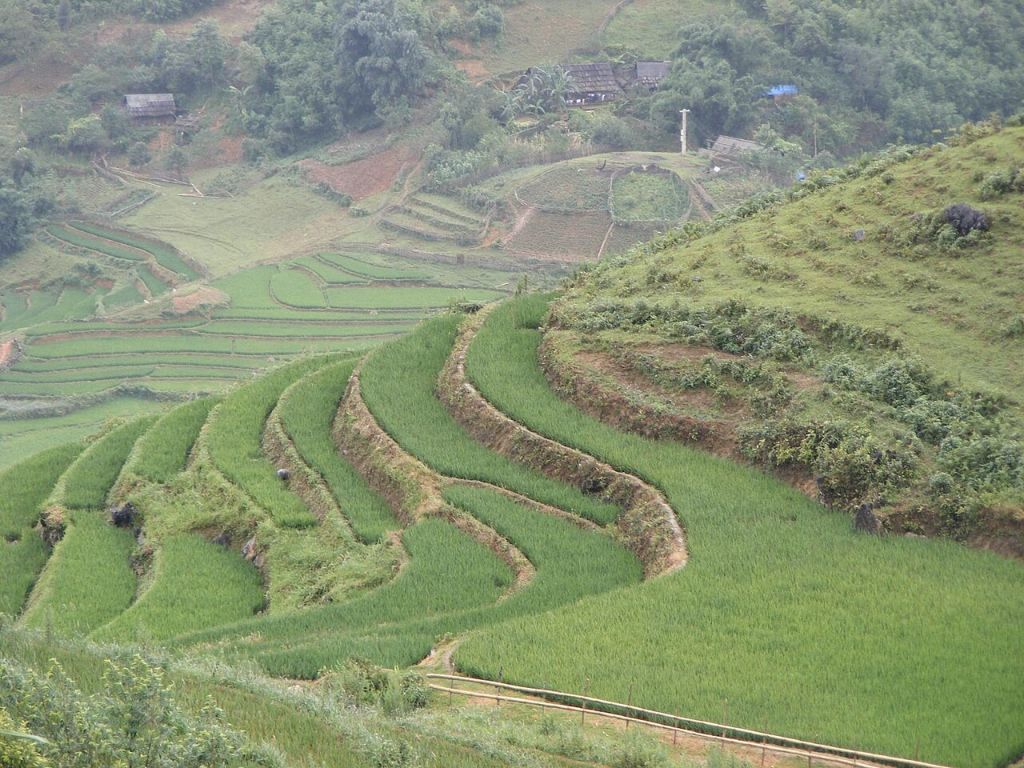
The north, including Hanoi and Sapa, is at its best from March to May and from September to November. From December to February it turns cold and foggy, with Hanoi at about 15 to 20°C and Sapa dropping below 10°C. The south has a dry season from December to April and a wet season from May to November. Ho Chi Minh City stays warm all year, between roughly 26 and 38°C. Wet season in the south usually means short afternoon downpours rather than all-day rain, so it rarely ruins a trip if you keep your afternoons flexible.
6. Treat the central coast carefully from September to November
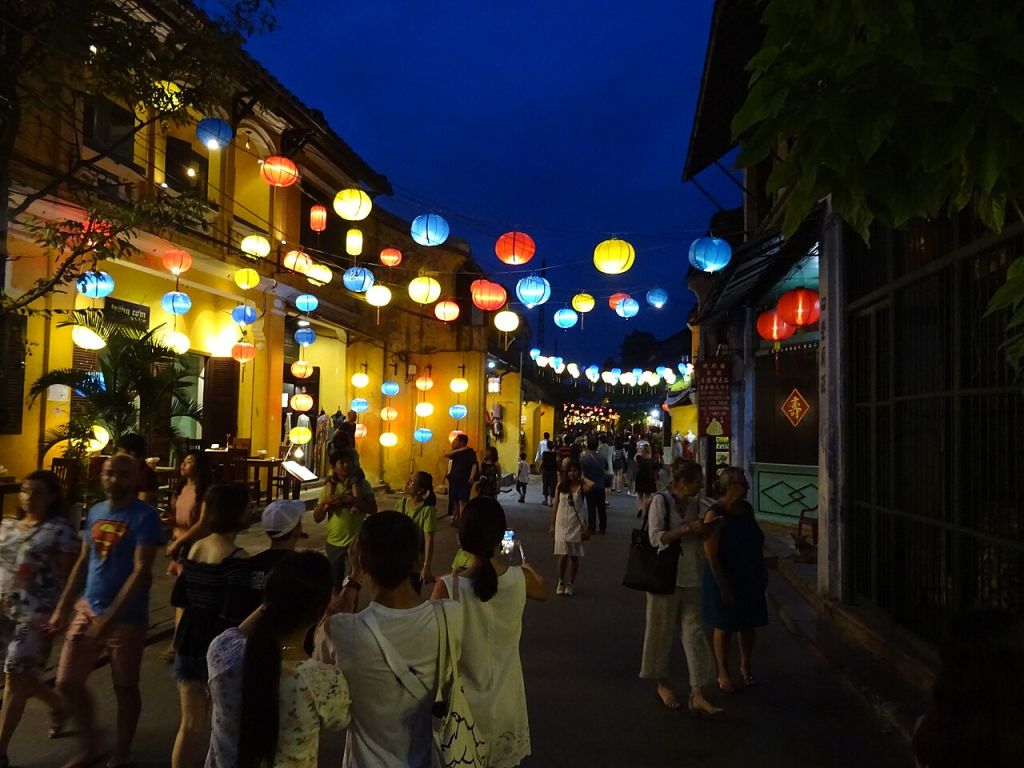
Central Vietnam is best from February to April, and September to November is the season for typhoons and floods. Hue and Hoi An are the places most often affected. If your only free dates fall in those months, you can still go, but build slack into the schedule, choose bookings you can change, and keep an eye on forecasts in the days before you travel. A trip that runs north to south in autumn can simply spend more days in the north and south and fewer in the middle.
7. Know the Tet 2027 dates before you book
Lunar New Year falls on February 6, 2027, and the public holiday runs from February 4 to 10, 2027. Tet is the biggest holiday of the year. Many shops and restaurants close, and trains, buses, and flights sell out as people travel home to their families. Visiting during Tet can be rewarding if you plan for it, but it is the one week when turning up without reservations is a poor idea. E-visa processing can also take longer in the weeks around the holiday.
Local tip: If your dates touch February 4 to 10, 2027, book transport first and everything else second. Train tickets go on sale 60 days ahead on the official railway site, and the advice for Tet is to book at least 30 days in advance.
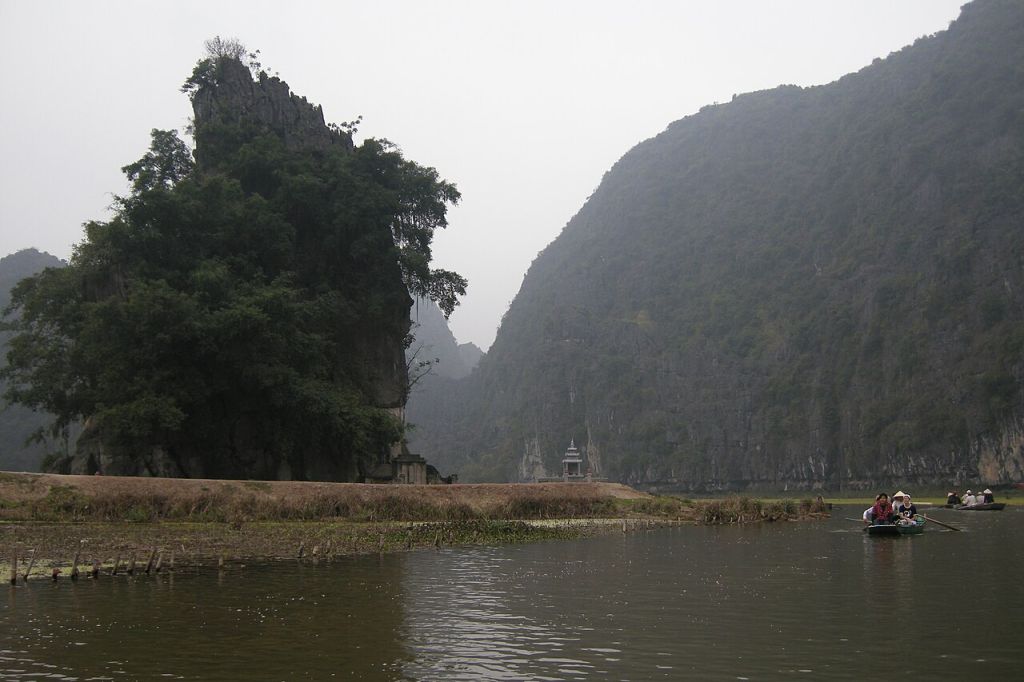
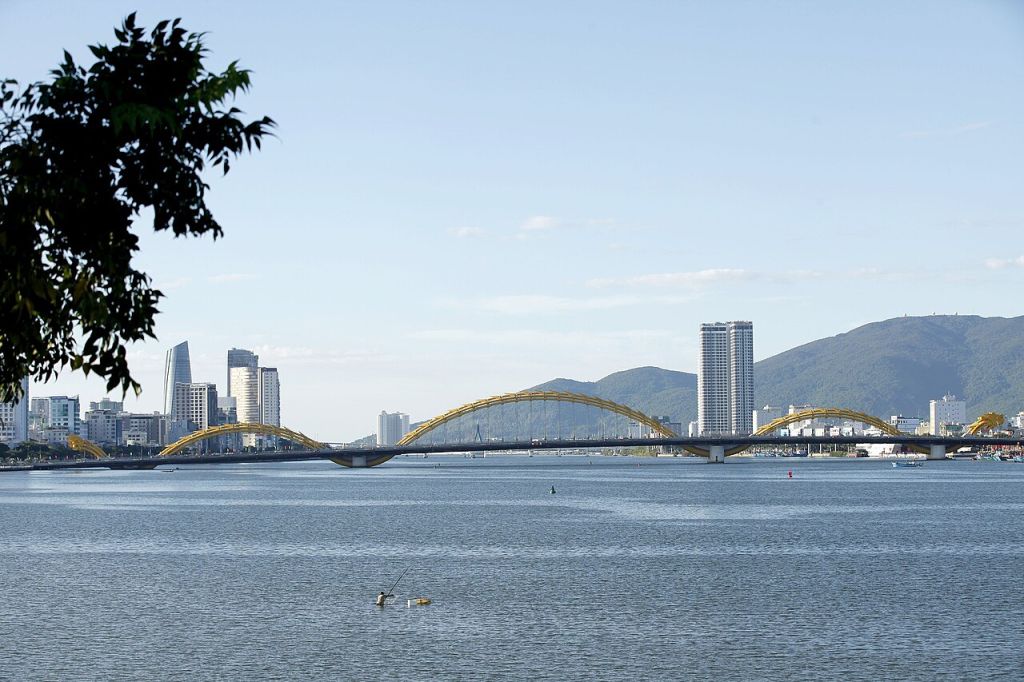
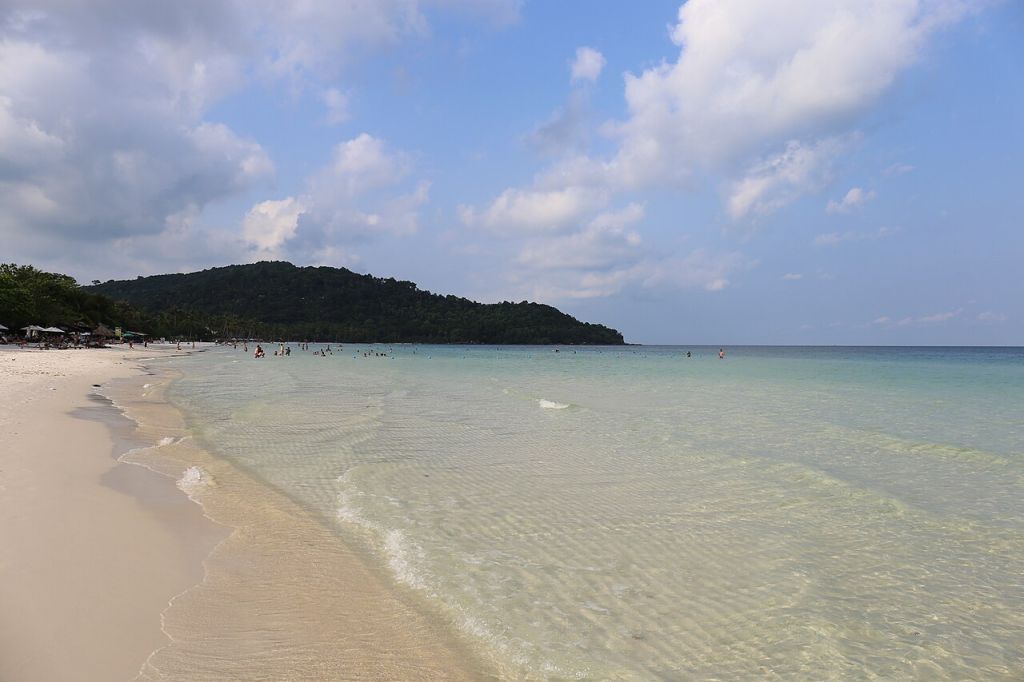
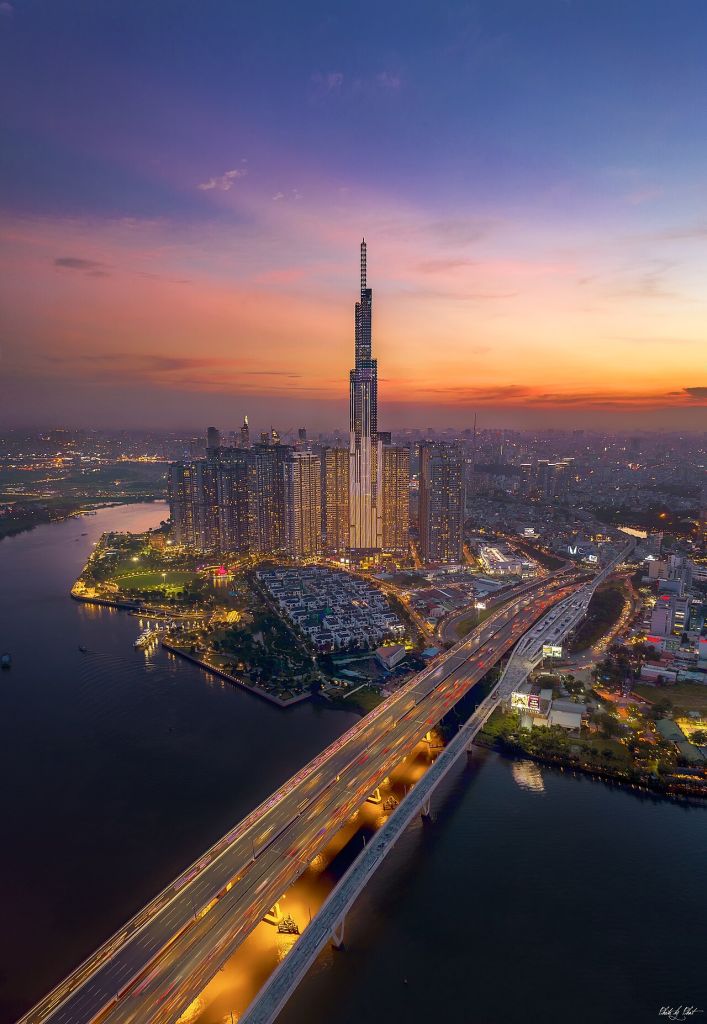
Photos: 1) Vyacheslav Argenberg, CC BY 4.0; 2) Thangphan, CC0; 3) Vnecofriendly, CC BY-SA 4.0; 4) AJ Oswald, CC BY-SA 2.0; 5) Christophe95, CC BY-SA 4.0; via Wikimedia Commons.
How much does a trip to Vietnam cost per day?
A mid-range traveler should budget about USD 48 to 100 per day in Ho Chi Minh City, as of November 2026, and much of what you spend will be in cash. Vietnam remains good value by international standards, but the currency takes a day or two to get used to.
8. Get comfortable with the zeros on the dong
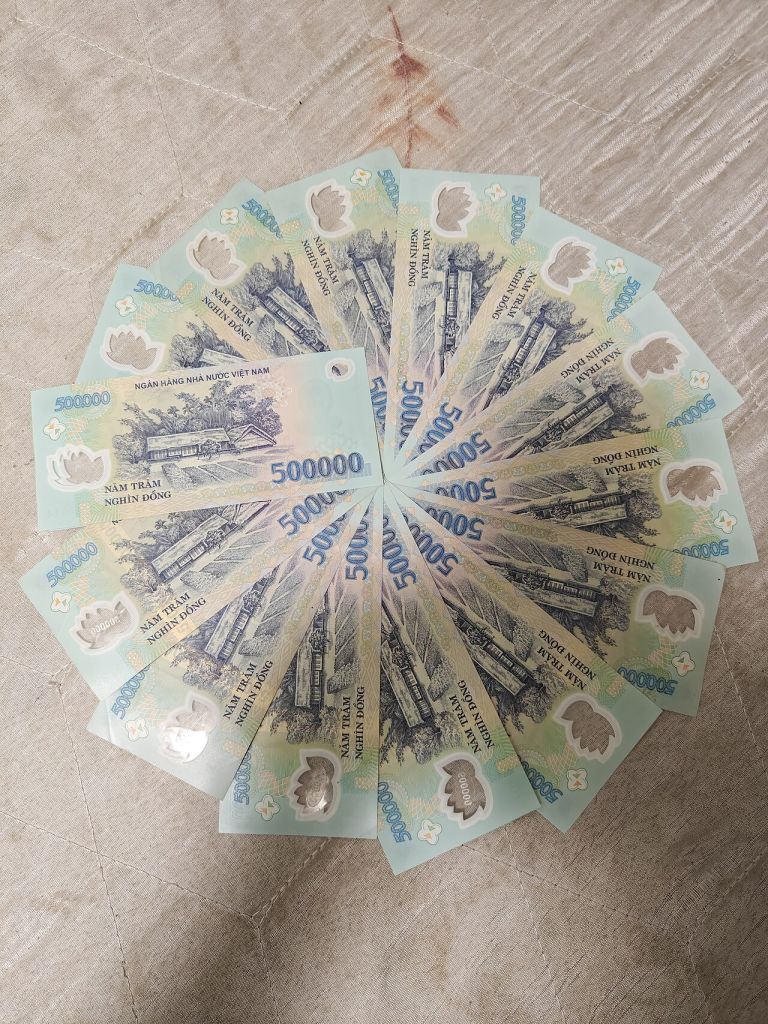
The exchange rate is about 26,000 VND to USD 1 as of November 2026, which means everyday prices run into tens or hundreds of thousands. A 500,000-dong note is worth roughly USD 19. A quick mental shortcut is to drop three zeros and divide by 26: a 52,000 VND bowl of pho is about USD 2. Count the zeros carefully when you pay, keep large and small notes in separate parts of your wallet, and take your time at the counter. Nobody minds a visitor who pauses to check.
9. Expect low ATM limits and carry cash
ATMs typically allow withdrawals of 2 to 5 million VND at a time, which is about USD 77 to 192. Travelers report limits of up to 10 million VND at VPBank and Sacombank machines, and fees ranging from nothing to 100,000 VND per withdrawal, although these figures come from traveler reports and vary by card and machine. Your home bank may add its own charges. Cash is still the most reliable way to pay for street food, markets, and rides, so withdraw enough for a few days at a time rather than making many small withdrawals.
10. Use real prices to set your budget
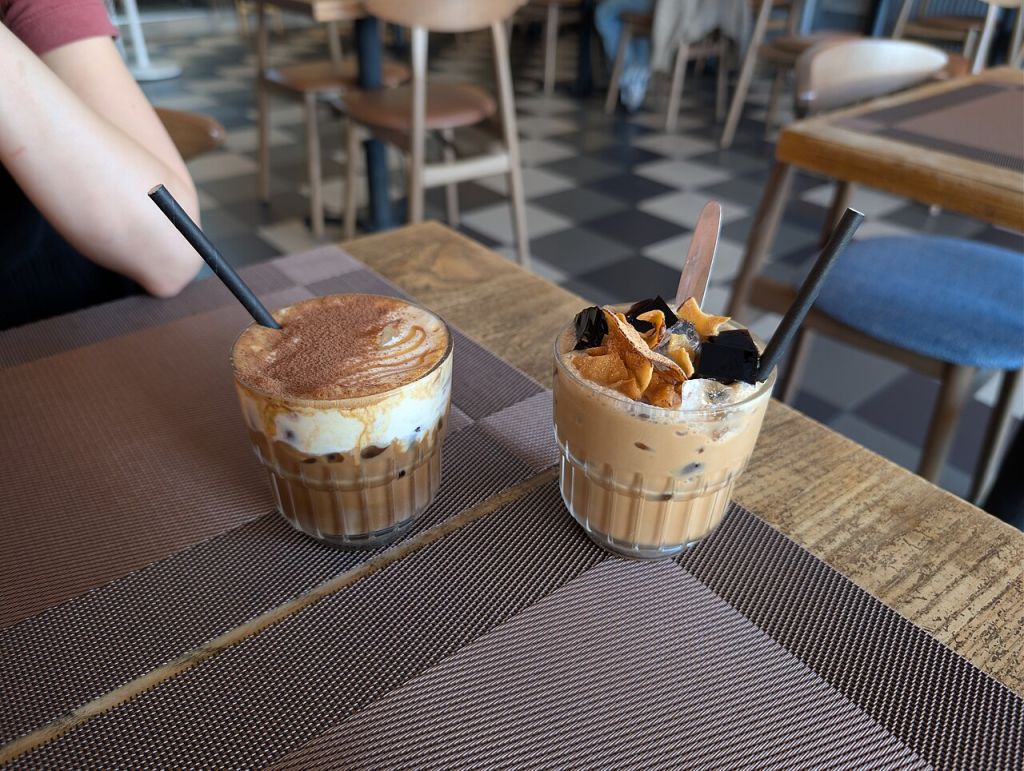
Typical Ho Chi Minh City prices give you a sense of scale. A bowl of pho costs 40,000 to 70,000 VND, a banh mi sandwich 25,000 to 40,000 VND, and an iced coffee 20,000 to 35,000 VND. Museum tickets are usually 30,000 to 40,000 VND. A hostel dorm bed runs 120,000 to 400,000 VND per night, and a mid-range hotel room costs 1 to 1.8 million VND. Put together, that supports the mid-range estimate of USD 48 to 100 per day. Travelers who eat local food and sleep in dorms can spend less.
11. Tip modestly, and tip in dong
Tipping is not expected in Vietnam, but it is appreciated in tourist services. In restaurants, 5 to 10 percent is a reasonable tip if no service charge has been added to the bill. A private guide is commonly tipped 200,000 to 400,000 VND per day, and a hotel porter about 20,000 VND per bag. Tip in dong rather than foreign currency, because small foreign notes are inconvenient to exchange.
| Item | Price in VND | Approximate USD |
|---|---|---|
| Bowl of pho | 40,000 to 70,000 | 1.50 to 2.70 |
| Banh mi | 25,000 to 40,000 | 1.00 to 1.50 |
| Iced coffee | 20,000 to 35,000 | 0.80 to 1.35 |
| Museum ticket | 30,000 to 40,000 | 1.15 to 1.50 |
| Hostel dorm bed, per night | 120,000 to 400,000 | 4.60 to 15.40 |
| Mid-range hotel room, per night | 1,000,000 to 1,800,000 | 38 to 69 |
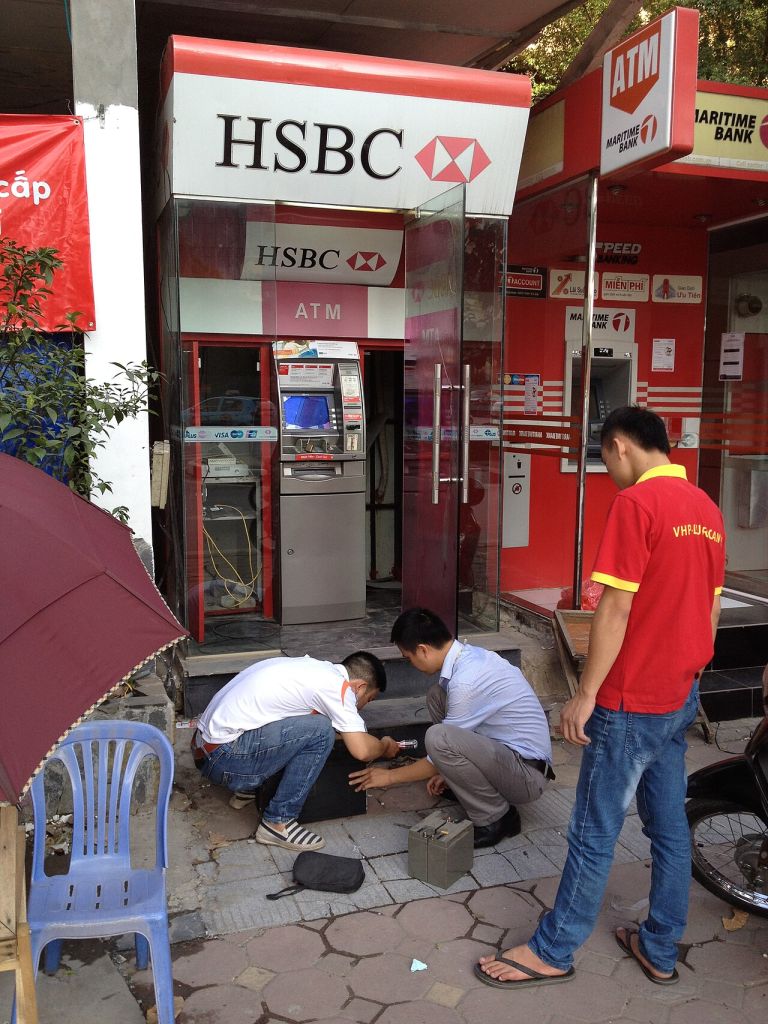
| GrabBike, 5 km | 15,000 to 30,000 | 0.60 to 1.15 |
| GrabCar, 5 km | 50,000 to 80,000 | 1.90 to 3.10 |
| GrabCar, airport to city center | 100,000 to 150,000 | 3.85 to 5.80 |
| HCMC Metro Line 1 ticket | 6,000 to 20,000 | 0.25 to 0.75 |
| Tourist SIM, 30 days | 120,000 to 300,000 | 4.60 to 11.50 |
Photos: 1) Andy Li, CC0; 2) HuangWending18072009, CC0; 3) Phan Minh Tuấn, CC BY-SA 4.0; via Wikimedia Commons.
How do you stay connected in Vietnam?
The easiest way to stay online is a local tourist SIM or an eSIM, backed up by the free wifi offered in most cafes and hotels. Mobile data is inexpensive, and having it makes ride-hailing, maps, and translation far easier.
12. Buy a tourist SIM in town, with your passport
Vietnam has three main mobile networks: Viettel, Vinaphone, and Mobifone. Viettel has the best coverage in rural areas, which matters if you are heading into the mountains or the countryside. A tourist SIM costs 120,000 to 300,000 VND for 30 days and includes 30 to 120 GB of data, as of November 2026. You need your passport to register the SIM. Airport kiosks are convenient but charge more than shops in town, so if you can manage the first ride on airport wifi, you will pay less by waiting.
13. Consider an eSIM, but know its limits
An eSIM costs about USD 6 to 20 and can be set up before you fly, so your phone connects as soon as you land. The trade-off is that most eSIMs are data-only and do not give you a local phone number. That is fine for maps and messaging apps. If you expect to need local calls, a physical SIM from one of the three networks is the safer choice.
How do you get around Vietnam?
Within cities, ride-hailing apps are the simplest option, and between cities most travelers choose between cheap domestic flights, trains, and sleeper buses. Vietnam is about 1,700 km long by rail from Hanoi to Ho Chi Minh City, so the method you choose shapes how much of the country you can see.
14. Install Grab before you land
Grab works in all major Vietnamese cities and shows the fare before you confirm, which removes haggling and meter worries. A 5 km ride costs about 15,000 to 30,000 VND on a GrabBike motorbike taxi or 50,000 to 80,000 VND in a GrabCar, and a GrabCar from the airport to the city center is usually 100,000 to 150,000 VND. Coverage is weak in Sapa and absent in Phong Nha. Two alternatives are worth installing as well: Be, and Xanh SM, which runs electric vehicles.
Local tip: Pay ride-hailing drivers in cash. Foreign cards are sometimes rejected in the apps, and cash is the most reliable method. Before you get in, check that the license plate matches the one shown in your booking.
15. Fly the long legs
Flying is the fastest way to cover long distances, with Vietnam Airlines, Vietjet, and Bamboo operating domestic routes. A Hanoi to Ho Chi Minh City ticket costs about USD 35 to 80 when booked two to three weeks ahead, as of November 2026. Compare that with 33 to 41 hours on the train for the same journey. For shorter hops on a tight budget, sleeper buses cost about USD 8 to 18.
16. Book trains on the official railway site
The official booking site for Vietnam Railways is dsvn.vn, and sales open 60 days before departure. The full Hanoi to Ho Chi Minh City line covers 1,726 km and takes 33 to 41 hours, with a soft seat from 974,000 VND and a berth in a four-berth sleeper from 1,619,000 VND. Few visitors ride the whole line. A more common choice is one section, such as Hanoi to Da Nang, which takes 15 to 18 hours. For travel around Tet, book at least 30 days ahead.
17. Check which Ho Chi Minh City airport is on your ticket
Ho Chi Minh City is gaining a second airport, so check the airport code on any ticket for travel from December 2026 onward. Long Thanh International Airport, about 40 km east of the city, is scheduled to begin commercial operations on December 1, 2026, according to Viet Nam News. Use of the new airport is optional for airlines until March 27, 2027, and long-haul flights are due to move there from March 28, 2027. Opening dates have slipped before, so treat this timetable as provisional and confirm with your airline.
18. Do not rent a motorbike without a valid license
Vietnam recognizes only International Driving Permits issued under the 1968 convention, which means permits issued in the United States are not valid. Helmets are mandatory, and fines for traffic violations reach up to 6 million VND. The larger risk is financial: travel insurance is usually void if you ride without a valid license, leaving you to cover any medical bills yourself. If you are not properly licensed, a GrabBike gives you the motorbike experience with a licensed driver in front.
19. Use the metro in Ho Chi Minh City
Ho Chi Minh City’s Metro Line 1 offers a cheap, air-conditioned alternative to road traffic, with fares of 6,000 to 20,000 VND as of November 2026. It is the first metro line in the city, so it does not reach everywhere, but where it serves your route it avoids traffic entirely. Combine it with a short Grab ride for the last stretch.
Want a quiet beach base near Saigon? Vung Tau Pearl offers apartments near Back Beach (Bai Sau) in Vung Tau, about two hours from Ho Chi Minh City. It suits travelers who want sea air and a slower pace between city days. Email the team to ask about availability for your dates.
Is Vietnam safe for first-time visitors?
Vietnam is generally safe for visitors: violent crime is rare, and the US State Department rates the country at Level 1, its lowest advisory level, as of November 2026. The problems tourists actually meet are petty theft, traffic, and a few laws that differ from those at home.
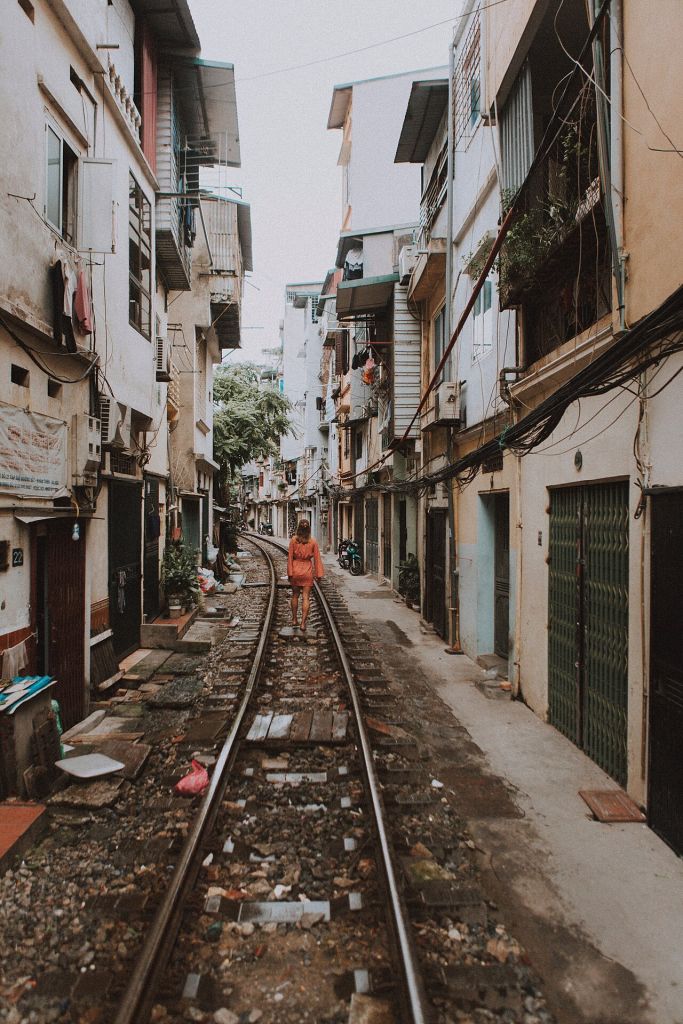
20. Guard your phone and bag from snatchers
The most common crime against tourists is bag and phone snatching by thieves on motorbikes. Pickpockets, rigged taxi meters, and persistent touts are the other regular complaints. Simple habits prevent most of it. Hold your phone on the side away from the road, step back from the curb before checking a map, wear bags across your body, and use ride-hailing apps with upfront fares instead of flagging down unknown taxis.
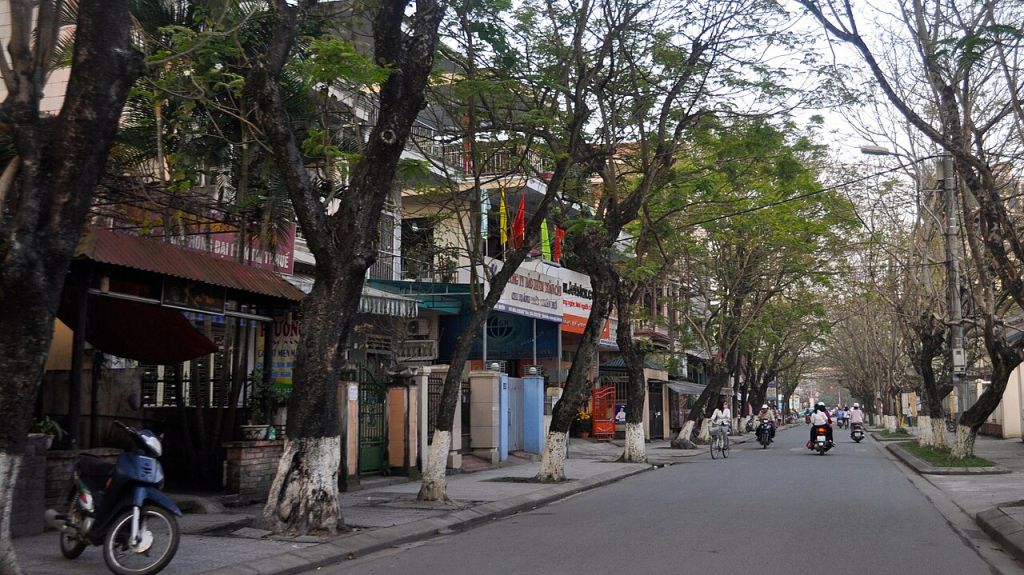
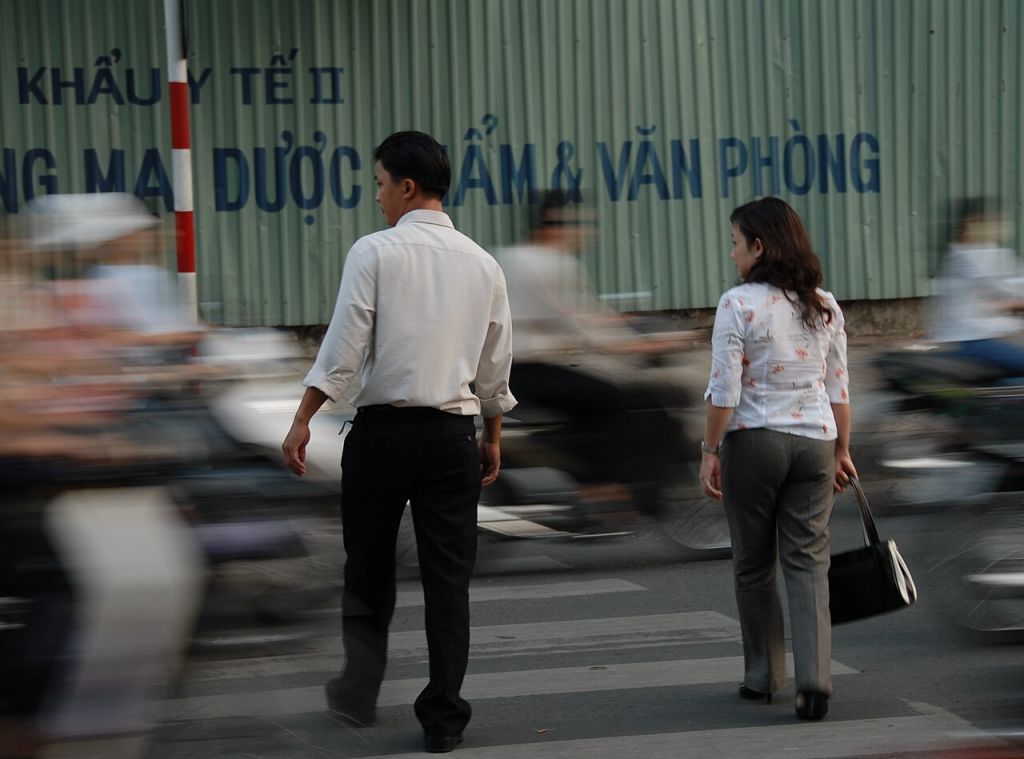
21. Cross the street at a steady pace
The way to cross a busy Vietnamese street is to walk at a steady, predictable pace so that riders can steer around you. Do not run, stop suddenly, or step backward, because drivers judge their path by your speed. The US Centers for Disease Control and Prevention (CDC) also warns travelers to watch for motorbikes riding on pavements and traveling the wrong way down streets, so look in both directions even on one-way roads.
22. Leave your vape at home
E-cigarettes and heated tobacco products are banned in Vietnam. Under Decree 371/2025, which took effect on December 31, 2025, people caught using them face fines of 3 to 5 million VND, according to the Vietnam Government Portal. That is roughly USD 115 to 190. The rule applies to visitors as well as residents, so the simplest course is not to bring a device at all.
23. Respect drug laws and photography rules
Vietnam imposes severe penalties for drug offenses, and being a foreign visitor offers no protection. Avoid any involvement at all. Photography of military sites is also prohibited. If you see a sign with a crossed-out camera, or uniformed guards at a gate, put the camera away. Ordinary street scenes, markets, and temples are fine to photograph, with the usual courtesy of asking people first.
Photos: 1) David McKelvey from Brisbane, Australia, CC BY 2.0; 2) Lucas Jans, CC BY-SA 2.0; 3) Kris Martyn, CC BY-SA 4.0; 4) Donald Trung, CC BY-SA 4.0; via Wikimedia Commons.
What health precautions should you take in Vietnam?
The main precautions are to be up to date on vaccines, avoid tap water, use insect repellent against dengue, and carry insurance that covers medical evacuation. The advice below follows the CDC’s guidance for Vietnam, and it is no substitute for a visit to a travel clinic before you go.
24. Review your vaccines before you fly
The CDC advises travelers to be current on routine vaccines, including measles, and recommends hepatitis A, typhoid, and hepatitis B vaccines for Vietnam. Japanese encephalitis vaccine is suggested for stays longer than a month or for time in rural areas, and rabies vaccine for travelers who will spend a lot of time outdoors and for children. Malaria is not present in the main cities or the deltas. See a doctor or travel clinic well before departure, since some vaccines need more than one dose.
25. Skip tap water, ice of unknown origin, and raw meat
Tap water and ice are considered unsafe to consume in Vietnam, according to the CDC. Drink bottled or treated water, and be cautious with ice unless you trust the source. The CDC also advises against raw meat and dishes made with blood. Freshly cooked food served hot is the safer choice. Carry hand gel for the many occasions when you eat somewhere without a sink nearby.
26. Use repellent all year
Dengue fever is present in Vietnam year-round, and the practical defense is insect repellent. Apply it during the day as well as in the evening, and reapply after swimming or heavy sweating. Travelers with breathing conditions should also know that air quality in Hanoi and Ho Chi Minh City can be poor, so bring any inhalers or medication you normally rely on.
27. Buy insurance that covers medical evacuation
Insurance that includes medical evacuation is advised for Vietnam. International-standard clinics operate in Hanoi and Ho Chi Minh City, but care elsewhere is more limited, and hospitals generally expect payment in cash. Bring prescription medicines in their original packaging, along with enough to last the trip. Check that your policy covers the activities you plan, and remember that riding a motorbike without a valid license usually voids cover.
Local tip: Keep a small cash reserve separate from your daily wallet. Hospitals in Vietnam generally expect cash payment, and ATM withdrawal limits of 2 to 5 million VND can make it slow to gather a larger sum at short notice.
What etiquette should visitors follow in Vietnam?
The essentials are to dress modestly at religious sites, stay calm in disagreements, and ask before taking photos of people. Vietnamese hosts are forgiving of honest mistakes, and a little effort with manners and language is noticed.
28. Dress and behave respectfully at temples
At temples and pagodas, cover your shoulders and knees, and remove your shoes and hat before entering. Do not touch anyone on the head, and do not point your feet toward statues or altars when you sit. A light scarf or overshirt in your day bag solves the clothing question in a hot climate. If you are unsure whether shoes come off, look for a row of footwear at the door and follow it.
29. Learn the everyday manners
A handful of habits cover most situations. Do not point at people with your finger. Pass items with your right hand or with both hands. Ask before you photograph someone. Keep public displays of affection limited. Never stand chopsticks upright in a bowl of rice. Above all, stay calm when something goes wrong. Raising your voice causes everyone involved to lose face, and a patient, polite approach resolves problems faster.
Useful Vietnamese
- Xin chào: Hello
- Cảm ơn: Thank you
- Xin lỗi: Sorry, or excuse me
- Bao nhiêu tiền?: How much is it?
- Không cay: Not spicy
- Không đá: No ice
- Tính tiền: The bill, please
- Không, cảm ơn: No, thank you
What should first-time visitors know about Ho Chi Minh City and Vung Tau?
The key thing to know is that Ho Chi Minh City became much larger on July 1, 2025, when it absorbed the neighboring provinces of Binh Duong and Ba Ria-Vung Tau. Many maps, guidebooks, and booking sites have not caught up, which can confuse first-time visitors.
30. Understand the new map of Ho Chi Minh City
The merger was part of a national reorganization that cut the number of provinces and cities from 63 to 34. The enlarged Ho Chi Minh City now has a population of more than 14 million, and the beach city of Vung Tau is administratively part of it. Districts were formally abolished in the same reform, yet hotels and apps still use names like “District 1,” so you can keep using them when you search or give directions. Locals and visitors alike still say Saigon for the central city.
For travelers, the practical point is distance. An address listed as Ho Chi Minh City may now be on the coast, far from the central sights, so check the map before you book. For neighborhoods, sights, and day plans in the central city, this Ho Chi Minh City travel guide covers the ground in detail. Vung Tau, about two hours from the center, works well as a beach stop at the start or end of a trip in the south, where the dry season runs from December to April.

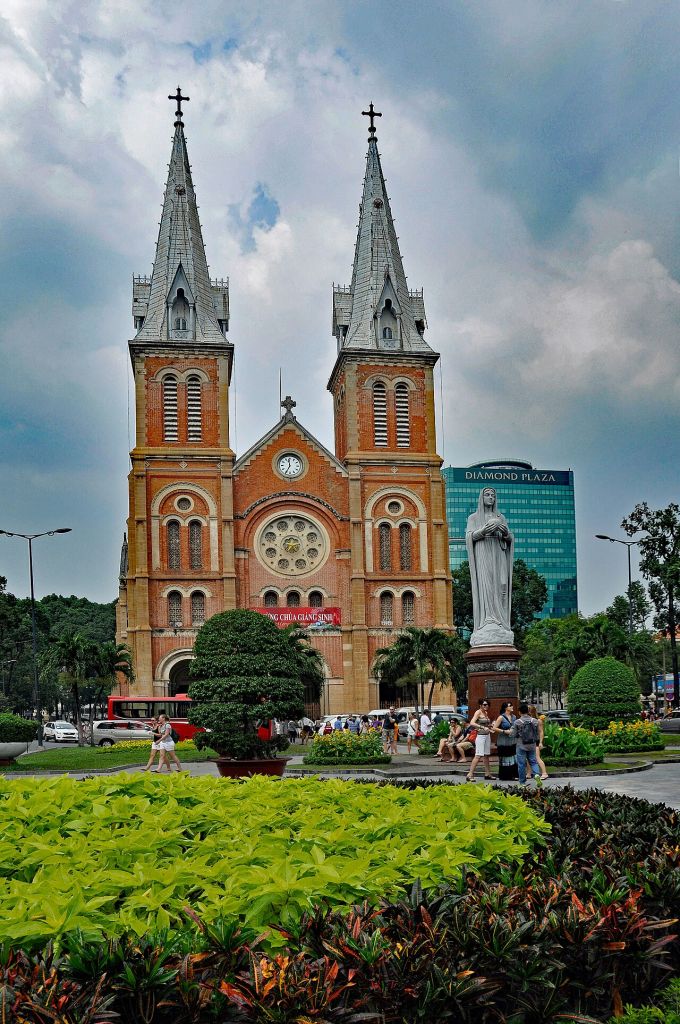
Photos: 1) trungydang, CC BY 3.0; 2) Jakub Hałun, CC BY 4.0; 3) Ngô Trung, CC BY 3.0; 4) Cyril Doussin, CC BY-SA 2.0; 5) P. Hughes, CC BY 4.0; via Wikimedia Commons.
What should you pack for Vietnam?
Pack light clothing, a rain jacket, insect repellent, hand gel, and a plug adapter, and add a warm layer if you are visiting the north in winter. Vietnam runs on 220V at 50Hz and uses plug types A, C, and D, so check that your chargers accept that voltage and bring an adapter that fits your devices. Most phone and laptop chargers handle 220V, but hair tools often do not.
Clothing depends on your route. The south is hot all year, so breathable fabrics matter most, and a rain jacket earns its place from May to November. The north from December to February calls for a real warm layer, since Hanoi sits at 15 to 20°C and Sapa falls below 10°C. Add something that covers shoulders and knees for temple visits. Finally, carry your prescriptions in their original packaging, and keep digital and paper copies of your passport, e-visa, and pre-arrival QR code.
Want a quiet beach base near Saigon? After the traffic and heat of the city, a few days by the sea can round out a first trip. Vung Tau Pearl has apartments near Back Beach (Bai Sau) in Vung Tau, roughly two hours from Ho Chi Minh City. Send an email with your dates and group size, and the team will reply with what is available.
Frequently Asked Questions
Do US citizens need a visa for Vietnam?
Yes. As of November 2026, US citizens are not visa-exempt and need an e-visa. It allows stays of up to 90 days and costs USD 25 for single entry or USD 50 for multiple entry on the official portal, evisa.gov.vn. Apply 7 to 10 days before travel, because processing takes 3 to 5 working days.
How long does the Vietnam e-visa take?
Processing normally takes 3 to 5 working days, as of November 2026. Apply 7 to 10 days before your flight to leave a margin, and earlier around Tet, when offices close for the public holiday. The fee is not refunded if the application is rejected, so check your details carefully before submitting.
What is the Vietnam pre-arrival declaration?
It is a free online form at prearrival.immigration.gov.vn that produces a QR code to show on arrival. It has been mandatory at Tan Son Nhat Airport in Ho Chi Minh City since April 15, 2026. It has reportedly been extended to other entry points, so check the official portal before you fly.
Is Vietnam expensive for tourists?
No, Vietnam is good value for most visitors. As of November 2026, a mid-range traveler in Ho Chi Minh City spends about USD 48 to 100 per day. A bowl of pho costs 40,000 to 70,000 VND, an iced coffee 20,000 to 35,000 VND, and a mid-range hotel room 1 to 1.8 million VND per night.
Can you use credit cards in Vietnam?
Cards work in some places, but cash is the most reliable way to pay, especially for street food, markets, and rides. Foreign cards are sometimes rejected in ride-hailing apps. ATMs typically dispense 2 to 5 million VND per withdrawal, so plan to carry enough dong for a few days at a time.
Is tap water safe to drink in Vietnam?
No. The US Centers for Disease Control and Prevention considers tap water and ice in Vietnam unsafe for travelers. Drink bottled or treated water, be cautious with ice from unknown sources, and avoid raw meat and dishes made with blood. Freshly cooked food served hot is the safer choice.
Is Grab available everywhere in Vietnam?
Grab works in all major cities, but coverage is weak in Sapa and there is none in Phong Nha, as of November 2026. A 5 km GrabBike ride costs about 15,000 to 30,000 VND. Be and Xanh SM are alternative apps. Pay in cash and check the license plate before getting in.
Can tourists ride motorbikes in Vietnam?
Only with a valid license. Vietnam recognizes International Driving Permits issued under the 1968 convention, so permits issued in the United States are not valid. Helmets are mandatory, fines reach up to 6 million VND, and travel insurance is usually void if you ride without a recognized license.
Are vapes legal in Vietnam?
No. E-cigarettes and heated tobacco products are banned. Under Decree 371/2025, in force since December 31, 2025, users can be fined 3 to 5 million VND. The ban applies to visitors as well as residents, so the safest approach is to leave any device at home.
When is Tet in 2027, and should you avoid it?
Lunar New Year falls on February 6, 2027, with a public holiday from February 4 to 10, 2027. You do not need to avoid it, but many shops and restaurants close and transport sells out. Book trains, flights, and rooms well ahead if your dates overlap with the holiday.
Do you tip in Vietnam?
Tipping is not expected, but it is welcome in tourist services. In restaurants, 5 to 10 percent is reasonable when no service charge is included. A private guide is commonly tipped 200,000 to 400,000 VND per day and a porter about 20,000 VND per bag. Always tip in dong.
Is Vung Tau part of Ho Chi Minh City now?
Yes, administratively. On July 1, 2025, Ho Chi Minh City absorbed Binh Duong and Ba Ria-Vung Tau provinces as part of a reform that reduced Vietnam from 63 provinces and cities to 34. Vung Tau remains a separate beach destination in practice, about two hours from the central city.
Sources
- Vietnam National Authority of Tourism: Visa requirements
- Viet Nam News: Mandatory pre-arrival declaration rolled out for entrants into Viet Nam
- Viet Nam News: Three-stage transition for Long Thanh International Airport
- CDC Yellow Book: Vietnam
- Vietnam Government Portal: E-cigarette smokers shall be fined up to VND 5 million
- VietNamNet: Seven-day Tet holiday for public sector workers in 2027

Bài viết liên quan

Tet in Vietnam for Travelers: What Opens, What Closes, What to Book
Tet 2027 starts February 6. Here is what opens and closes in Saigon, what to...

The Sunday Roast in London: How It Works and Where to Go
How a Sunday roast works in London, what is on the plate, how to book,...
Middle Eastern Food on Edgware Road
What to order on Edgware Road, how to eat well as a vegetarian or halal...

Romantic Dinners in London With a View
Where to book a romantic dinner with a view in London: Sky Garden restaurants, Aqua...

Where to Eat Near Westminster and Big Ben
Where to eat near Westminster and Big Ben: historic pubs, Abbey and wartime cafés, budget...

Japanese and Korean Food Streets in Central London
A short-walk guide to Japanese and Korean food around Soho, Piccadilly and Chinatown, with ramen...
Is Vietnam Expensive? Real Prices 2026
Real 2026 prices in Vietnam for food, hotels, transport, visas and sights, with sample daily...

Soho’s Best Bakeries: What to Eat and Where
What to order at Soho's best bakeries, from Maison Bertaux's fruit tarts to Filipino pandesal,...