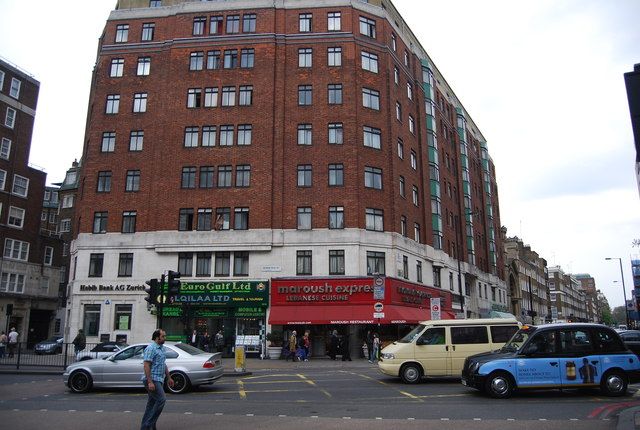
Middle Eastern food on Edgware Road means a long strip of Lebanese, Persian, Syrian and wider Arab restaurants, bakeries, juice bars and cafes in the W2 area of central London, running north from Marble Arch. It is one of the best places in the capital to eat shawarma, mezze, grilled meats and pastries late into the evening, and most meals cost far less than a West End restaurant. Many places are halal, and vegetarian dishes are easy to find.
- The nearest stations are Marble Arch (Central line) at the southern end and two separate Edgware Road stations further north, one on the Bakerloo line and one on the Circle, District and Hammersmith & City lines.
- Edgware Road is known for Lebanese food, with Persian, Syrian, Iraqi, Egyptian and Moroccan restaurants close by.
- Many restaurants are halal and many do not serve alcohol, though policies differ from place to place.
- Mezze dishes such as hummus, tabbouleh and falafel make it easy to eat vegetarian or vegan meals.
- Opening hours vary by venue and some places stay open late, especially at weekends, so check each restaurant’s own hours; Ramadan can change hours and make evenings busier.
- Check the Food Standards Agency hygiene rating on the door or online before you sit down.
This guide is for visitors who want a real meal rather than a snack on the go, who like to share plates, and who want a good value dinner without crossing London. We explain how the street is laid out, what to order, how to eat well if you are vegetarian or avoiding pork, when to go, and how to build a food crawl that takes about three hours. We are a Vietnamese homestay brand writing from research, so we send you to official sources for anything that changes.
Why is Edgware Road known for Middle Eastern food?
Edgware Road is known for Middle Eastern food because London’s Arab communities have made it their high street for decades. The road follows the line of the old Roman route that became Watling Street, and its shops and restaurants have long served Lebanese, Egyptian, Iraqi, Syrian, Gulf and North African communities as well as Persian-speaking visitors. Lebanese families in particular have been associated with the area since the 1970s, which is why many visitors call it London’s Arab quarter.
For a visitor, what matters is the density. Within a walk of a few minutes you can pass Lebanese grill houses, juice bars, bakeries selling flatbreads and pastries, small shops selling spices, nuts and dates, and cafes where people sit outdoors in the evening. Many places keep long hours, so Edgware Road is one of the few areas of central London where it is easy to find a good meal after a late theatre show or a long day of sightseeing.
It also works because most dishes are made for sharing. A table of friends can order a spread of small plates and a mixed grill for a modest total, and the staff generally bring food as it is ready rather than in strict courses. That relaxed pace suits groups and families.
How do you get to Edgware Road, and where does the food start?
The simplest way is to get off at Marble Arch (Central line), walk to the start of Edgware Road beside the park, and then continue north. The strip with the most restaurants and cafes lies between Marble Arch and the two Edgware Road stations, with extra streets such as Chapel Street and Church Street branching off to the north. Paddington station is also within walking distance, which is useful if you arrive from Heathrow on the Elizabeth line or the Heathrow Express.
Be careful with the station names. London has two stations called Edgware Road. One is on the Bakerloo line and the other is on the Circle, District and Hammersmith & City lines, and they are a short walk apart. If you are meeting friends, say which line you mean. Use the TfL Journey Planner to check your route on the day, and use a contactless card or phone to pay for travel.
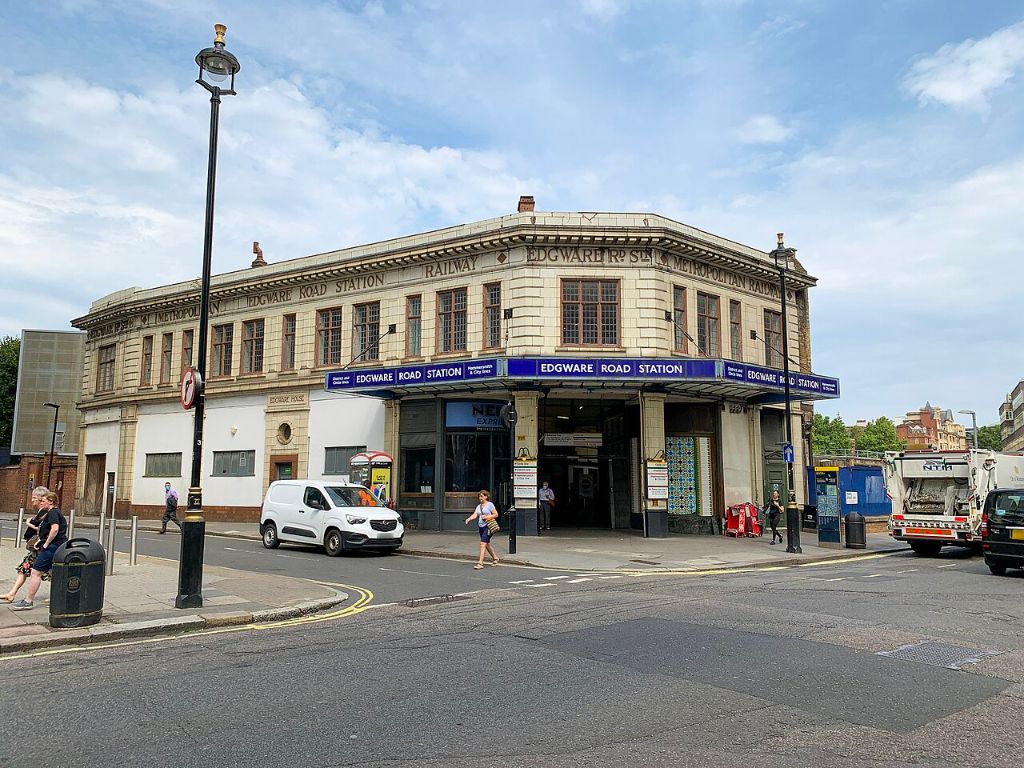
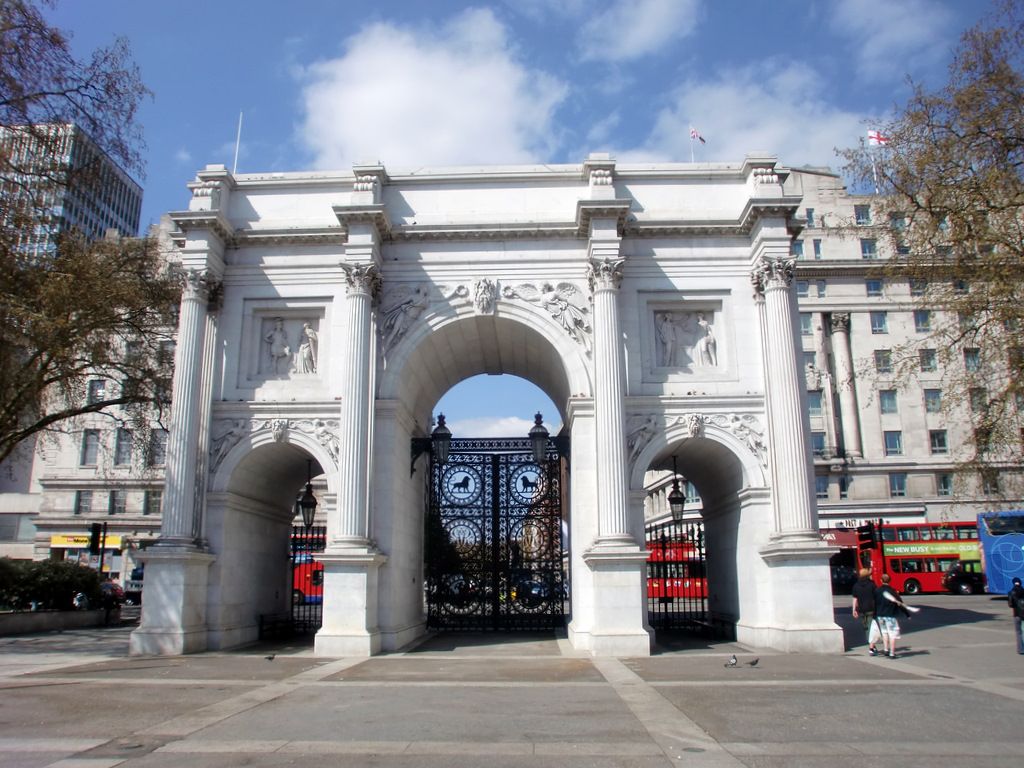
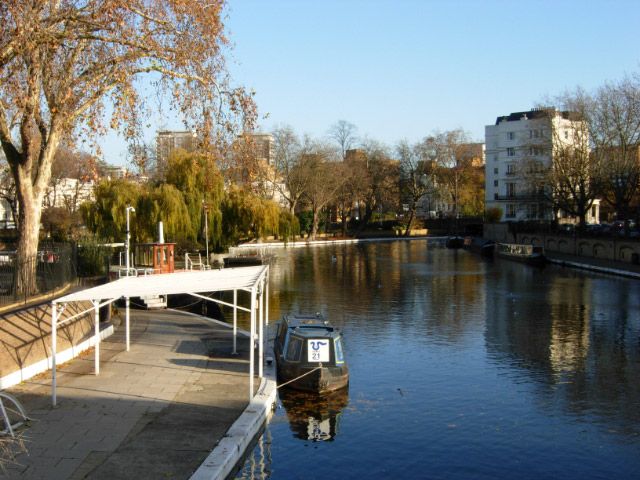
Photos: TheFrog001 (cc0), Christine Matthews and Stephen McKay, cc by-sa 2.0, via Wikimedia Commons.
What should you order on Edgware Road?
The easiest approach is to order a few small dishes to share and then add one grilled main. Menus differ, but you will see the same core dishes in most Lebanese and Levantine restaurants. Below we group them by type so you can build a meal.
Which mezze and dips are worth trying?
Hummus, made from chickpeas and tahini, is the classic starter, and it is served with olive oil and warm flatbread. Baba ganoush (also spelled mutabbal) is a smoky aubergine dip. Tabbouleh is a salad of finely chopped parsley with tomato, mint, bulgur and lemon, and fattoush is a salad of mixed vegetables topped with crisp pieces of toasted bread. Falafel are fried chickpea fritters, usually served with tahini sauce, pickles and salad. Kibbeh are croquettes of minced meat and bulgur, often fried, and a good order if you eat meat.
Most restaurants will also offer labneh (thick strained yoghurt), vine leaves stuffed with rice, sambousek (small pastries with cheese or meat) and a warm dish such as spiced sausages or chicken livers with pomegranate molasses. A good mezze table includes something cold, something fried and something hot, so that every bite is different.
What are the best grilled dishes and shawarma?
Shawarma is meat that is cooked on a vertical spit, shaved into thin slices and wrapped in flatbread with garlic sauce, pickles and salad. Chicken and lamb versions are the most common. It is the quickest and cheapest meal on the street, and many takeaways serve it late. Shish taouk is marinated chicken grilled on skewers, and lahm meshwi is grilled lamb. A mixed grill gives you several kinds of skewer on one plate with rice or bread, and it is usually enough for two people to share.
If you want something different, look for Persian restaurants along the road and side streets. They specialise in chelo kebab, which is rice served with grilled minced meat or chicken and a grilled tomato, usually with saffron. Iraqi and Syrian restaurants may add dishes such as masgouf (grilled fish), stuffed vegetables and slow-cooked stews.
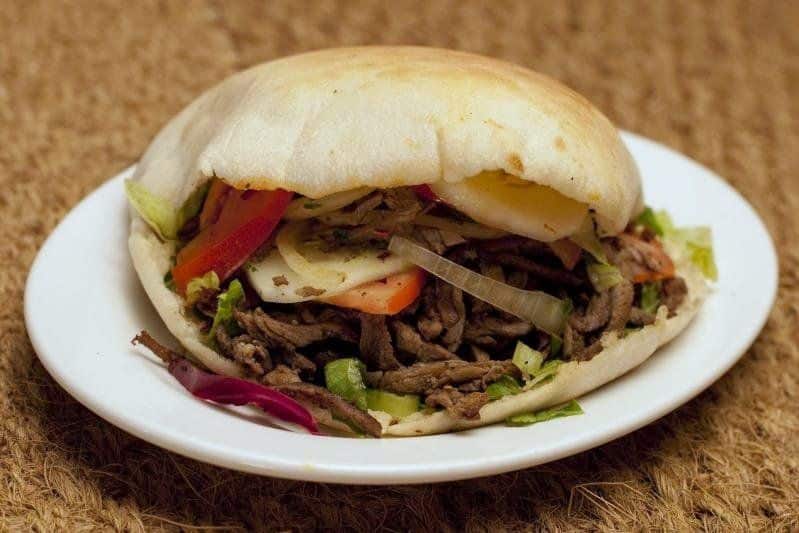
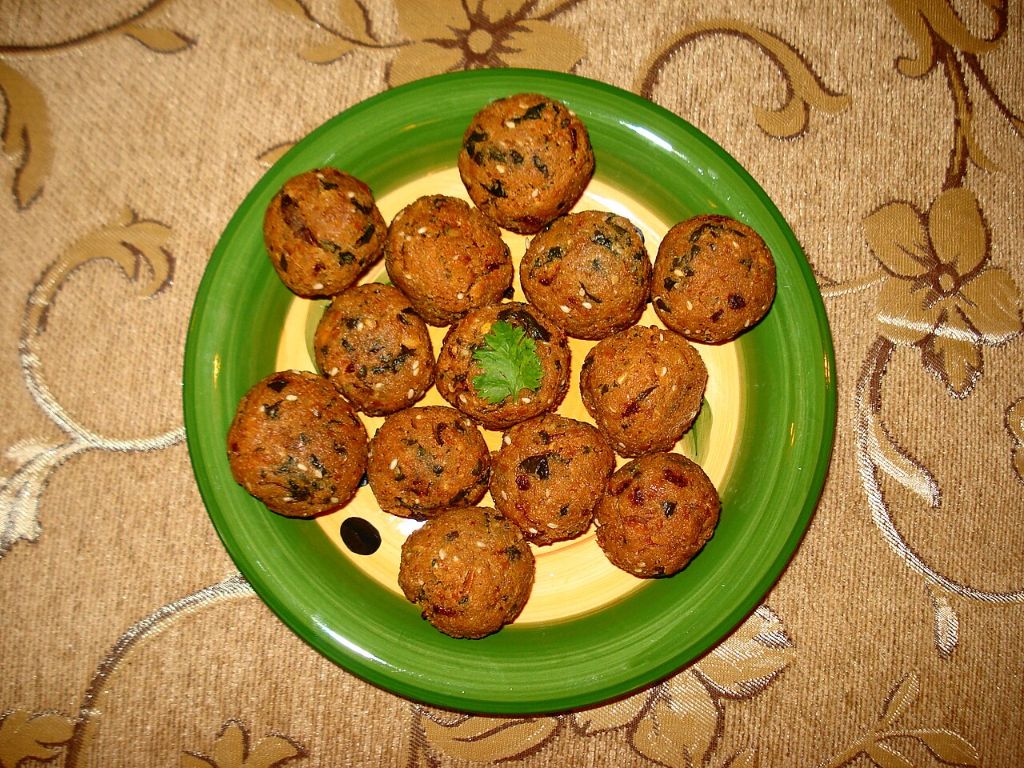
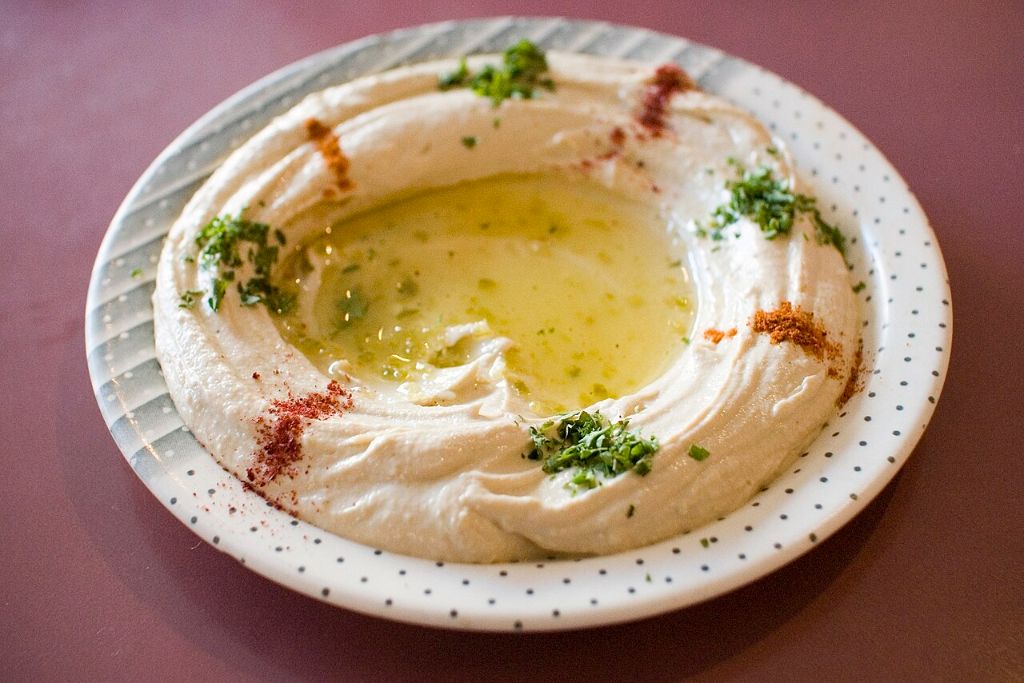
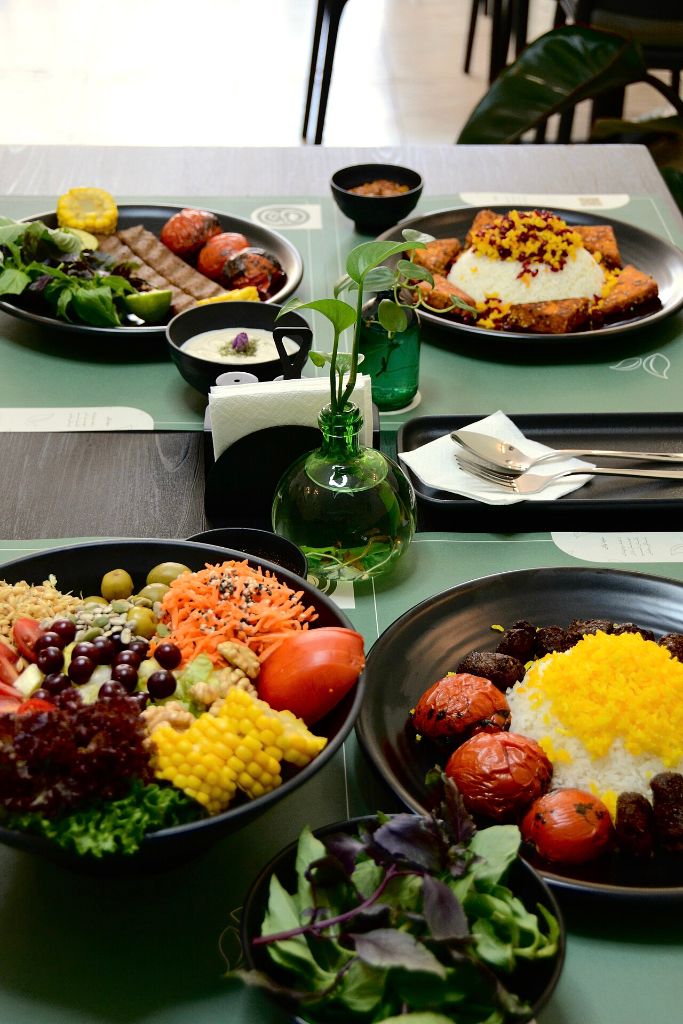
Photos: Vera Yu and David Li (cc by 2.0), Miansari66 (cc0), Paul Goyette (cc by-sa 2.0) and Rkarimiy (cc by-sa 4.0), via Wikimedia Commons. Food photographs are illustrative of the dishes, not of a particular restaurant.
Is it worth stopping at a Lebanese bakery?
Yes. Bakeries along the road sell manakish, which is flatbread baked with toppings such as za’atar (thyme and sesame with olive oil) or cheese, and often serve them hot in the morning. A manakish with a coffee is an inexpensive breakfast. Bakeries also sell flatbread by the bag, which makes a good snack for the Tube.
What about desserts, coffee and juice?
Pastry shops sell baklava (layers of filo with nuts and syrup), kunafa (a warm cheese pastry soaked in syrup), maamoul (date or nut biscuits) and many other sweets. You buy them by weight or in a box and take them away or eat them with coffee. Arabic coffee is strong and lightly spiced with cardamom, and it is served in small cups from a long-spouted pot called a dallah; Turkish-style coffee and mint tea are also common. Juice bars blend fresh fruit, such as mango, pomegranate and orange, and also sell avocado-and-nut shakes that people drink as a dessert.
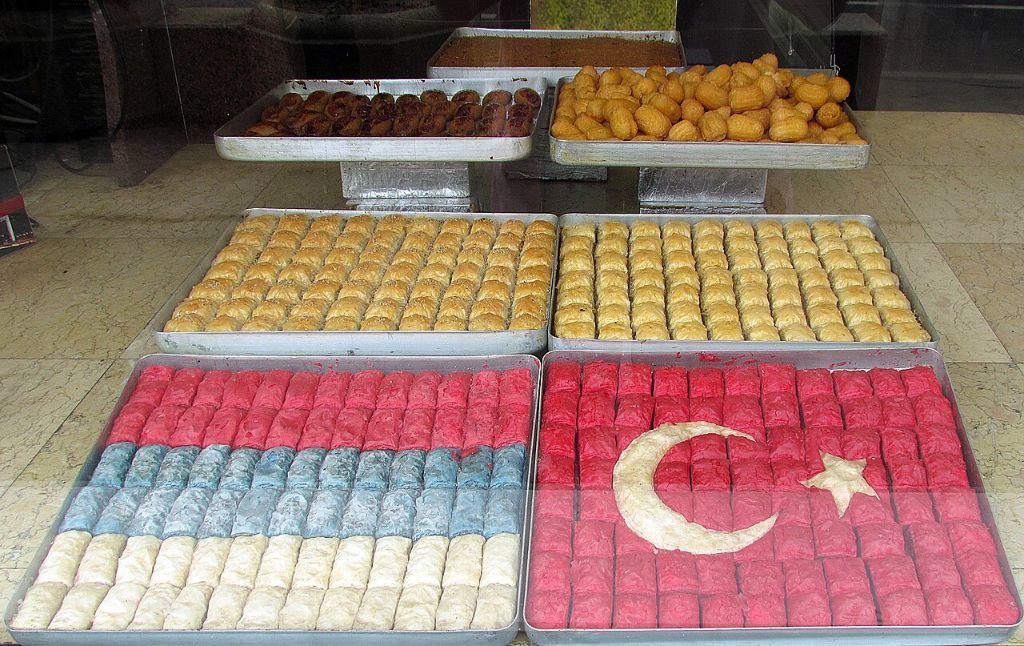
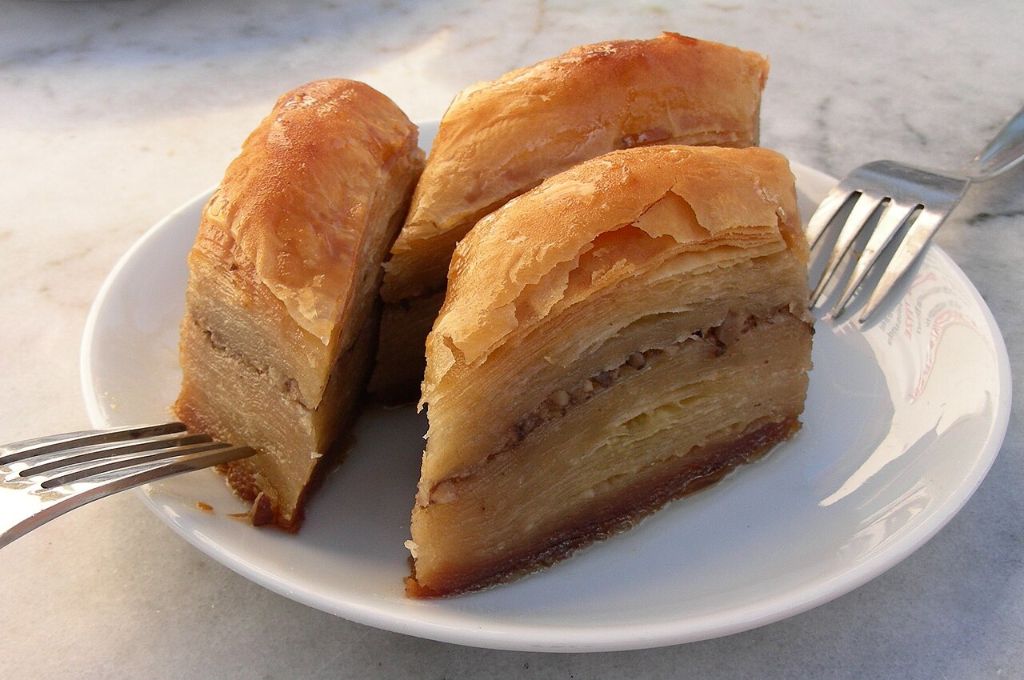
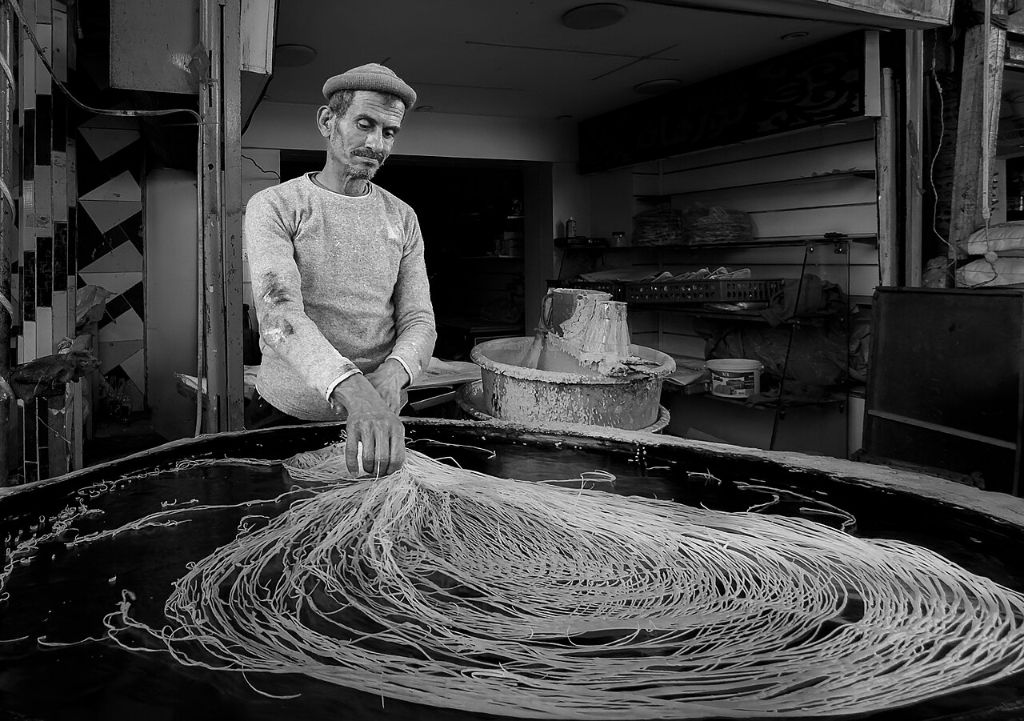
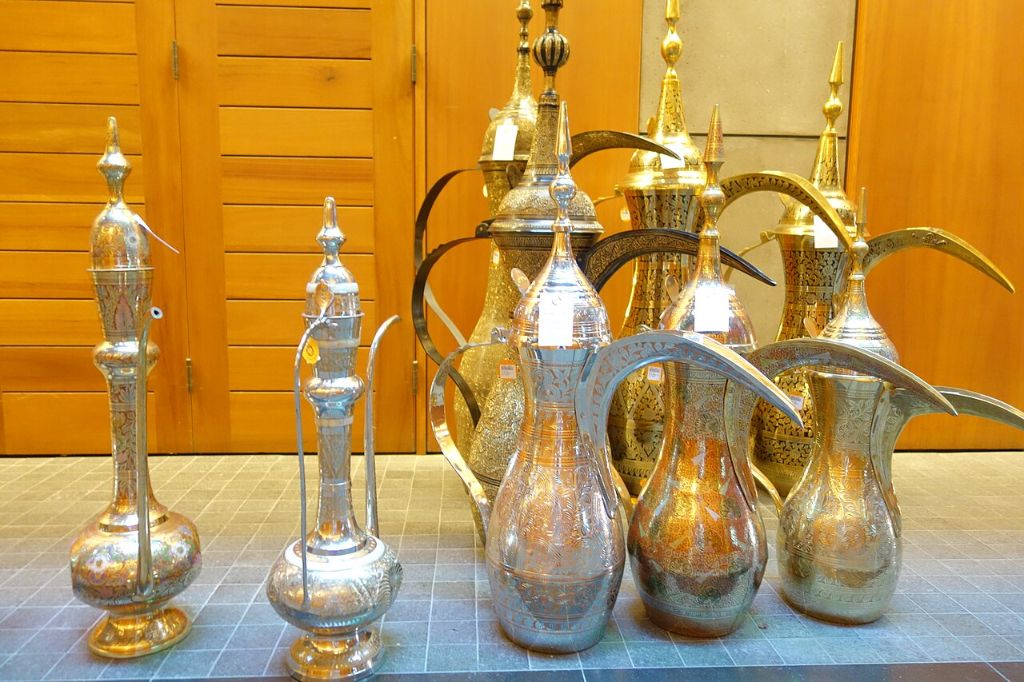
Photos: Gmihail (cc by-sa 3.0), Kultigin (public domain), Hbegzee (cc by-sa 4.0) and Abdulla Al Muhairi (cc by 2.0), via Wikimedia Commons. Food photographs are illustrative, not of a particular restaurant.
Can you eat vegetarian, halal or allergen-free on Edgware Road?
You can eat vegetarian very easily. Mezze menus are full of plant-based dishes such as hummus, tabbouleh, fattoush, falafel, stuffed vine leaves and grilled vegetables. Vegans should ask about yoghurt, ghee and honey, which appear in some dishes, and ask whether falafel is fried in a shared fryer if that matters to you.
Many restaurants on the road advertise that their meat is halal, and most do not serve pork. If halal status is important, ask the staff directly or look for a sign in the window. Alcohol policies vary: some restaurants do not serve alcohol at all, others do, and a few allow you to bring your own. Check before you go if you want wine with your meal.
If you have an allergy, tell the server at the start. Nuts, sesame (in tahini and many pastries), dairy and gluten are common in this cuisine, and in the UK food businesses must provide allergen information on request. The Food Standards Agency has plain-language advice on food allergy and intolerance, and you can check any place’s hygiene score on the Food Hygiene Rating Scheme website.
When is the best time to eat on Edgware Road?
The best time depends on what you want. For a quiet meal and a chance to talk to staff, go at lunchtime or an early evening on a weekday. For atmosphere, go after about 8 pm, when cafes and restaurants fill up with local families and groups, and the street feels lively. Friday and Saturday evenings are the busiest and you may wait for a table if you do not book.
During Ramadan, some restaurants may offer special menus for iftar, the meal that breaks the fast at sunset. We have not seen an official announcement of the start date for Ramadan in 2027, and it depends on the moon sighting, so check the date nearer the time. If you are travelling during Ramadan, expect busier evenings, check each venue’s hours and book ahead, because some venues change their opening hours. Be respectful when eating or drinking in public near places where people are fasting.
In summer, tables on the pavement fill up quickly in the evening, while in winter the heated interiors are warmer and noisier. A weekday morning is also a good time for bakeries, when the flatbreads are fresh from the oven.
What about shisha cafes and late-night spots?
Edgware Road is closely associated with shisha, the flavoured water pipe. Smoking is banned in enclosed public places in England, so shisha is generally served in outdoor or specially regulated areas, and the rules can change. If shisha is part of your plan, look for venues that are clear about where and how they serve it. If you do not want to be near smoke, choose a restaurant with indoor seating and avoid tables beside outdoor smoking areas.
Late-night spots on the road include juice bars, grills and dessert cafes that stay open well after normal restaurant hours. They are a reasonable option after the theatre, although you should keep an eye on your belongings in busy areas and use licensed taxis or night buses to get home.
How much does a meal cost, and how does tipping work?
We do not quote prices because they change, but the pattern is consistent. A shawarma or falafel wrap at a takeaway is the cheapest meal. A shared mezze lunch at a sit-down restaurant is mid-range. A full dinner with a mixed grill, several starters, dessert and drinks is the most you are likely to spend, and it can still cost less than a similar-sized meal in Soho or Mayfair.
Check whether the bill already includes a service charge. In London restaurants an optional service charge is often added for groups, and if it is included you do not need to leave an additional tip. Tips for takeaway or counter service are not expected. Look at the menu and the bill for any minimum spend, cover charge or charges for bread and water so that you are not surprised. Cards and contactless payments are accepted in most places, but a few small cafes and bakeries may prefer cash for small amounts.
How should you order and share a meal?
Ordering is easier than it looks once you know the rhythm. Start by asking the server how many dishes they recommend for your group; staff usually suggest about two small plates per person, with one or two grilled mains for the table. Small plates arrive as they are ready, and bread and a plate of raw vegetables, olives or pickles often arrive without being asked. Check the menu or the bill if you are not sure whether these are charged.
Share everything and use pieces of flatbread as a scoop rather than cutlery for dips. Do not worry about eating in a particular order: cold dips, salads and fried dishes can all be eaten together, and the grill usually comes last. If you want the food to arrive more slowly, say so when you order. If you are in a hurry, ask the kitchen to bring the grill with the small plates.
Many restaurants also offer set menus that give a tasting selection for a fixed price per person. These are good if you are unsure what to choose, but check what is included, because drinks and desserts may be extra. Tap water is free in most London restaurants if you ask, and mint tea or fresh lemonade with mint are popular alternatives to fizzy drinks.
Which nearby streets and places are worth exploring?
Edgware Road is the main spine, but the side streets add variety. Church Street, to the north, has a long-running street market and smaller cafes and shops with a more neighbourhood feel. Chapel Street, near the Edgware Road stations, is another place where local shops and cafes sit side by side. Both are good for a quieter coffee away from the main road.
If you want to walk off a big meal, Hyde Park is at the southern end beside Marble Arch, and Little Venice, with its canal boats and towpath, is a gentle walk to the north-west. Paddington is close enough to reach on foot, and it is useful for onward travel to Heathrow, to Oxford and to the west of England. The area also has plenty of hotels and apartments, so it is a convenient base if you plan to eat here several nights in a row.
Finally, remember that many shops on and around the road sell nuts, dried fruit, dates, spices, rose water and Turkish delight. They make light, inexpensive gifts to take home, but check your own country’s customs rules before you buy food to carry across a border.
What is an easy Edgware Road food crawl?
This route takes about three hours and lets you taste a little of everything without overeating at the first stop. It starts at Marble Arch and ends at Edgware Road station. The walking times are our estimates for each leg, and they exclude time spent eating. We name types of venue rather than specific restaurants because menus and opening hours change; choose any place with a good hygiene rating and a busy room.
| Start | Stop | What to do | Time at the stop | Walk to the next stop (estimate) |
|---|---|---|---|---|
| Marble Arch station | Juice bar or takeaway near the southern end | Order a fresh juice and a small shawarma or falafel wrap to start | 20 min | About 5 min north along Edgware Road |
| Juice bar or takeaway | Sit-down Lebanese restaurant | Share hummus, tabbouleh, falafel and a mixed starter plate | 60–75 min | About 4 min |
| Lebanese restaurant | Grill house or Persian restaurant | Share one grilled main, such as shish taouk or chelo kebab, if you still have room | 45 min | About 4 min |
| Grill house | Pastry shop and cafe | Choose baklava or kunafa and have Arabic coffee or mint tea | 30 min | About 6 min to Edgware Road station |
| Pastry shop | Edgware Road station | Finish and catch your train | – | – |
The walking in this table adds up to about 19 minutes, plus about 6 minutes from Marble Arch station to the first stop, and the time at the stops adds up to roughly 2 hours 35 minutes to 2 hours 50 minutes. The whole outing therefore takes about three hours. If you are staying near Paddington and want ideas for the rest of the day, see things to do in London Paddington for places within a short walk or Tube ride. If you want to add more sights on another day, the Things To Do In London overview is a useful next step.
What if it rains, it is too busy or a place is closed?
Edgware Road is mostly a street-level experience, so rain changes the way you do the crawl rather than stopping it. Most restaurants have indoor seating, and the walk between them is short. If a place is full or closed, there is usually another one within a minute.
| Problem | Swap to | Why it works |
|---|---|---|
| Heavy rain | Order a longer mezze lunch in one restaurant | You stay indoors and still taste a full range of dishes |
| Long queue at a popular grill | A smaller neighbouring restaurant or a takeaway | Short waits and similar menus |
| Restaurant closed or fully booked | The next restaurant along the road | The strip has many alternatives within a few minutes of walking |
| You want a quieter meal | Go at lunchtime on a weekday | Fewer groups and easier seating |
| You want a walk afterwards | Little Venice or Hyde Park | Both are a short walk or bus ride away |
Check the restaurant website or social media on the day for opening hours, because hours vary during Ramadan, on bank holidays and at weekends. Carry a contactless card or phone, and consider booking for groups of four or more on Friday and Saturday evenings.
How do you get around afterwards?
From Edgware Road you can reach most of central London by Tube or bus. The Bakerloo line runs south to Oxford Circus, Piccadilly Circus and Waterloo, and the Circle and District lines run east and west. Paddington station is a short walk or a quick Tube ride away. Buses run along Edgware Road all night. Use the TfL Journey Planner for the latest times and any station closures.
Related Questions
What is the best thing to order for a first-timer?
A shared mezze table with hummus, tabbouleh and falafel, followed by one grilled main such as shish taouk, is the easiest introduction. It covers cold, fried and grilled dishes, and everything is simple to share. Finish with baklava and a small Arabic coffee.
Is food on Edgware Road halal?
Many restaurants serve halal meat and do not serve pork, but you should not assume it for every venue. Look for a sign in the window or ask the staff before you order. Vegetarian dishes do not remove every question: ask about ingredients and shared utensils, and ask the venue to confirm halal status where it matters to you. If you have an allergy, read the Food Standards Agency guidance on food allergy and intolerance and tell the staff before you order.
Is Edgware Road cheap to eat on?
Prices vary a lot between venues, so compare menus before you sit down. Takeaway wraps are the cheapest, and sharing several plates between a group keeps costs down. Prices vary between venues, so check the menu in the window, and look at whether a service charge has been added.
Can vegetarians eat well on Edgware Road?
Yes. Mezze menus feature many plant-based dishes, including hummus, tabbouleh, fattoush, falafel, stuffed vine leaves and grilled vegetables. Vegans should check for yoghurt, ghee and honey, and everyone with allergies should tell the staff before ordering.
Is Edgware Road safe to visit in the evening?
It is a busy, well-lit road with many people out late, which most visitors find lively. As in any busy part of central London, keep your phone and bag secure and use licensed taxis or night buses to get home. If you feel unsure, stay on the main road.
Which station is best for Edgware Road restaurants?
Marble Arch is the best start if you want to walk the whole strip. The two Edgware Road stations are better if you want to begin in the middle or the north. Remember that they are separate stations on different lines.
Sources
- Transport for London: plan a journey
- Food Standards Agency: Food Hygiene Rating Scheme
- Food Standards Agency: food allergy and intolerance
- Visit London
Featured photo: Maroush Express on Edgware Road by N Chadwick, cc by-sa 2.0, via Wikimedia Commons.
Bài viết liên quan
Romantic Dinners in London With a View
Where to book a romantic dinner with a view in London: Sky Garden restaurants, Aqua...
Where to Eat Near Westminster and Big Ben
Where to eat near Westminster and Big Ben: historic pubs, Abbey and wartime cafés, budget...
Japanese and Korean Food Streets in Central London
A short-walk guide to Japanese and Korean food around Soho, Piccadilly and Chinatown, with ramen...
Is Vietnam Expensive? Real Prices 2026
Real 2026 prices in Vietnam for food, hotels, transport, visas and sights, with sample daily...
Soho’s Best Bakeries: What to Eat and Where
What to order at Soho's best bakeries, from Maison Bertaux's fruit tarts to Filipino pandesal,...
Is Vietnam Safe for Tourists? Practical Advice by Region
Is Vietnam safe? Yes: Level 1 advisory. The real risks are traffic, snatch theft, scams,...
North, Central or South Vietnam: Which Region Fits Your Trip?
Which region of Vietnam fits your dates and travel style? Compare the North, Central coast...

Renting a Motorbike in Vietnam: Licenses, Insurance and Safer Options
Can you rent a motorbike in Vietnam legally? Licence classes, which IDPs are valid, 2025...